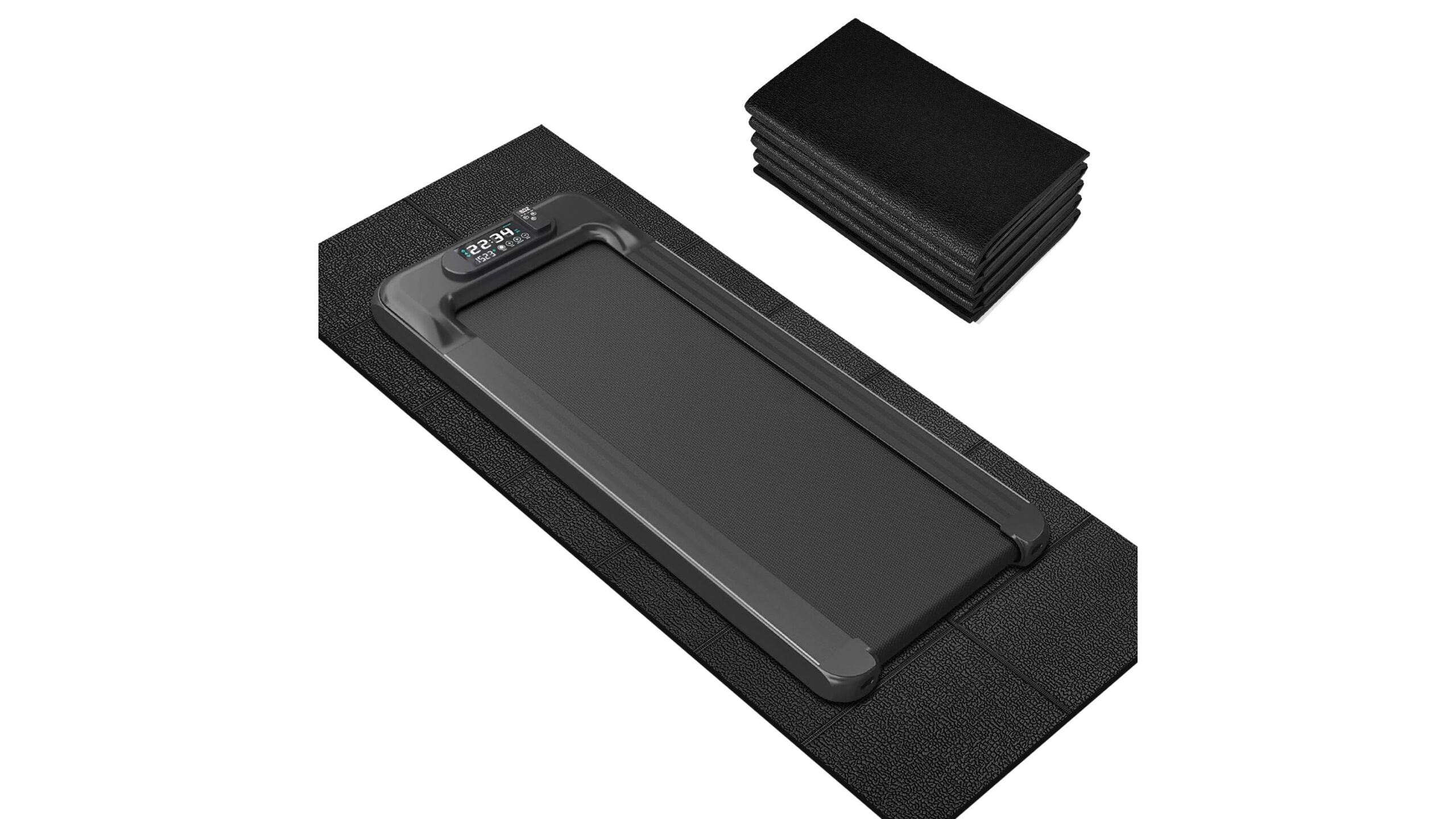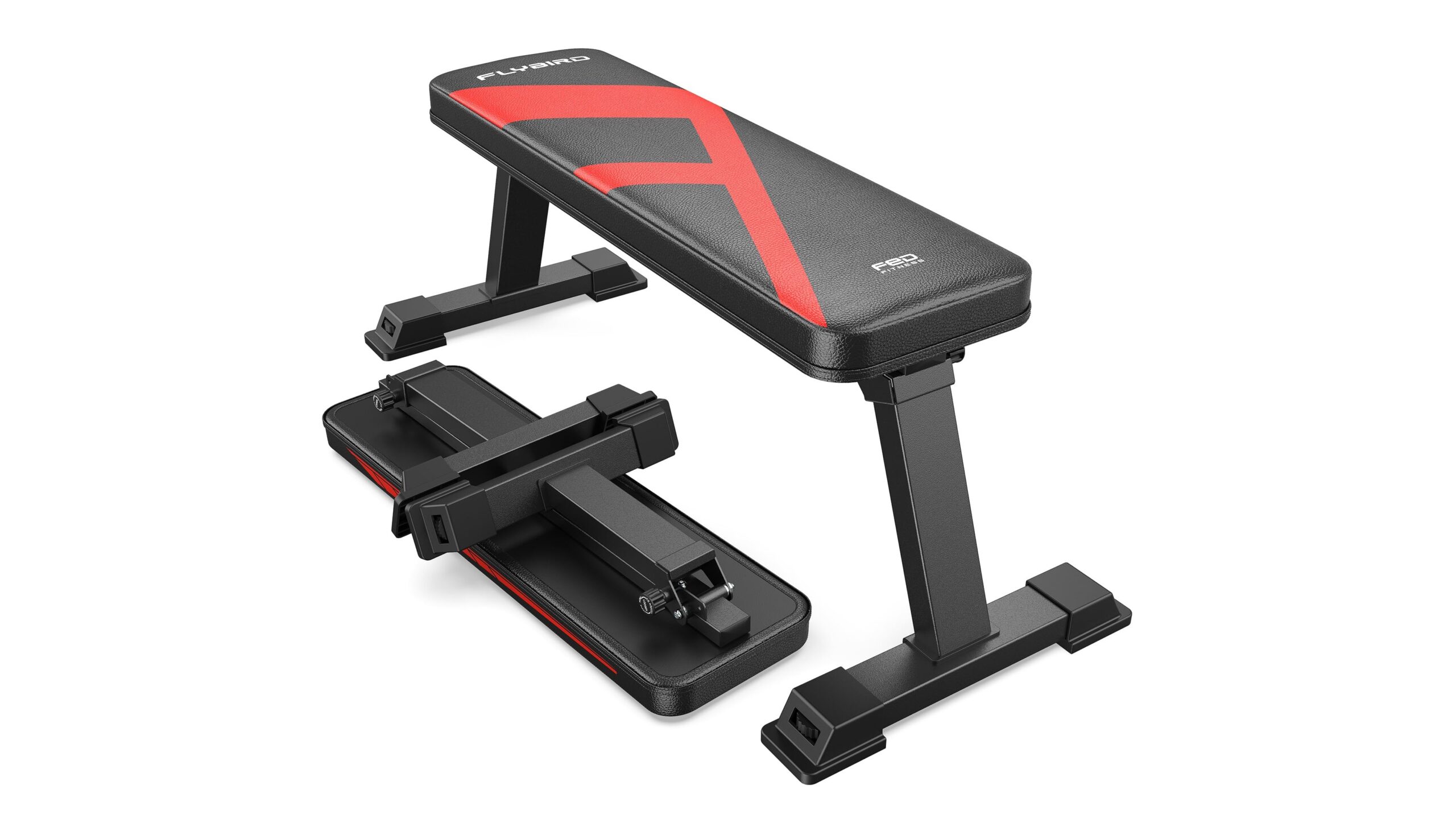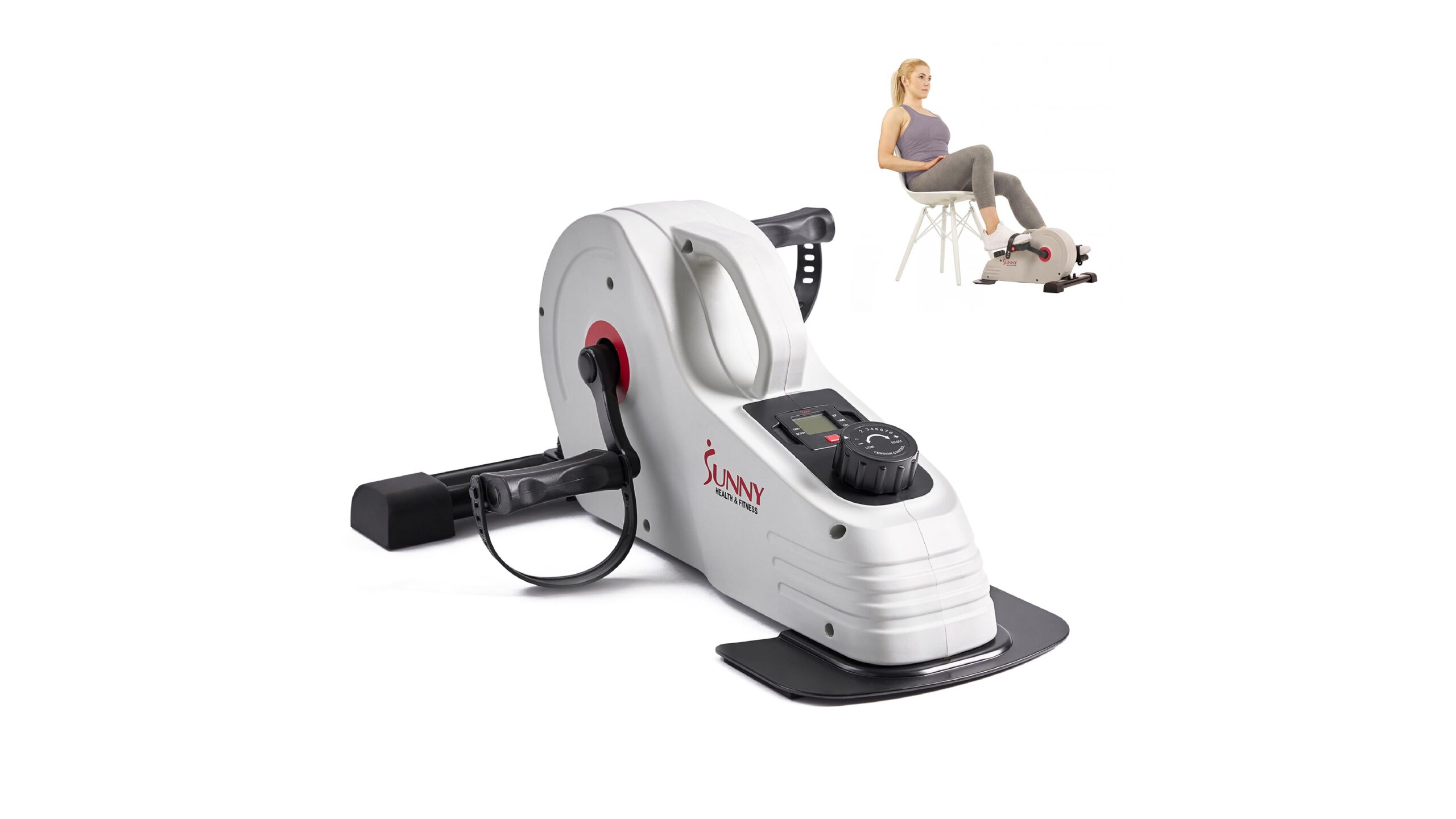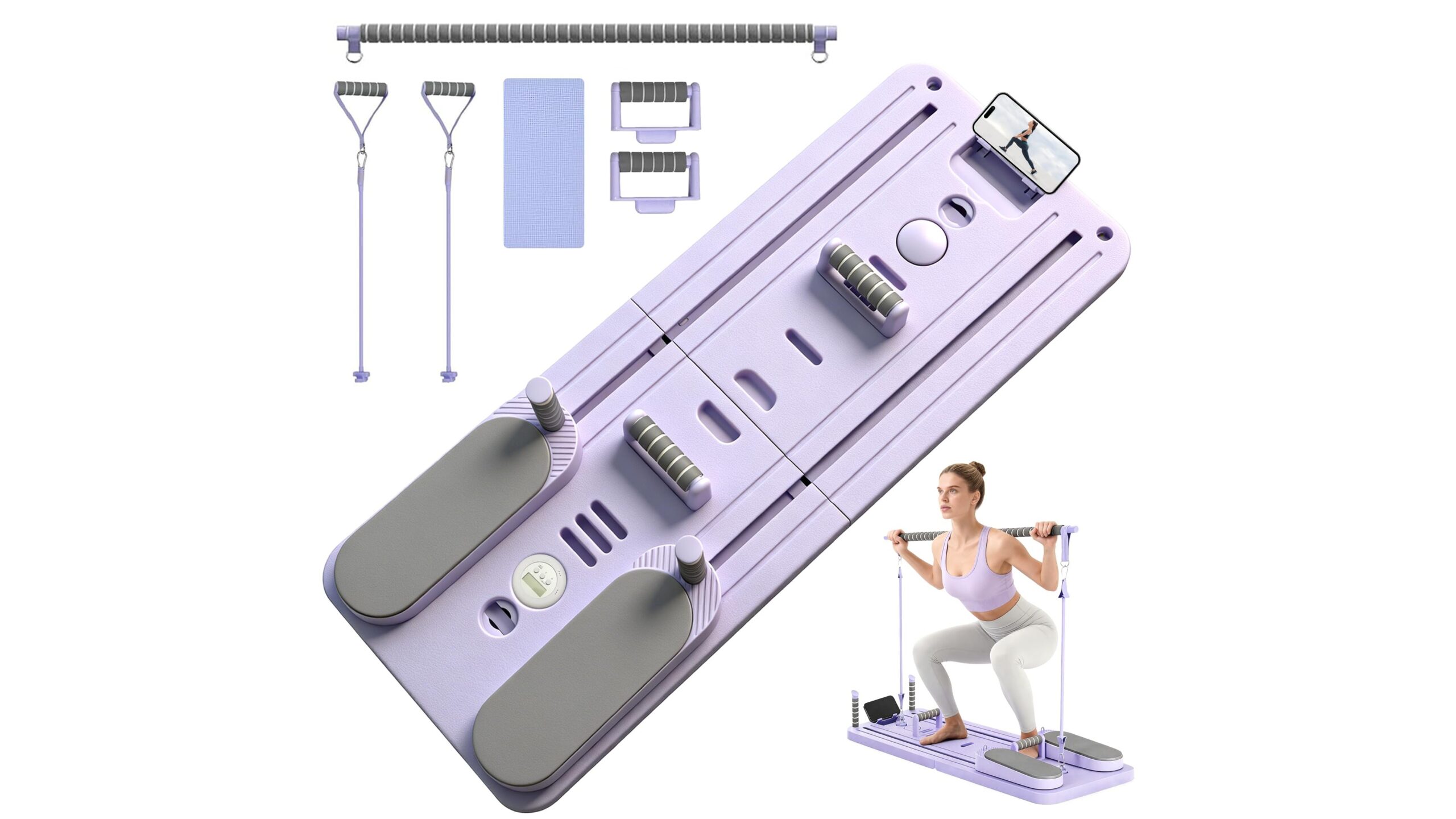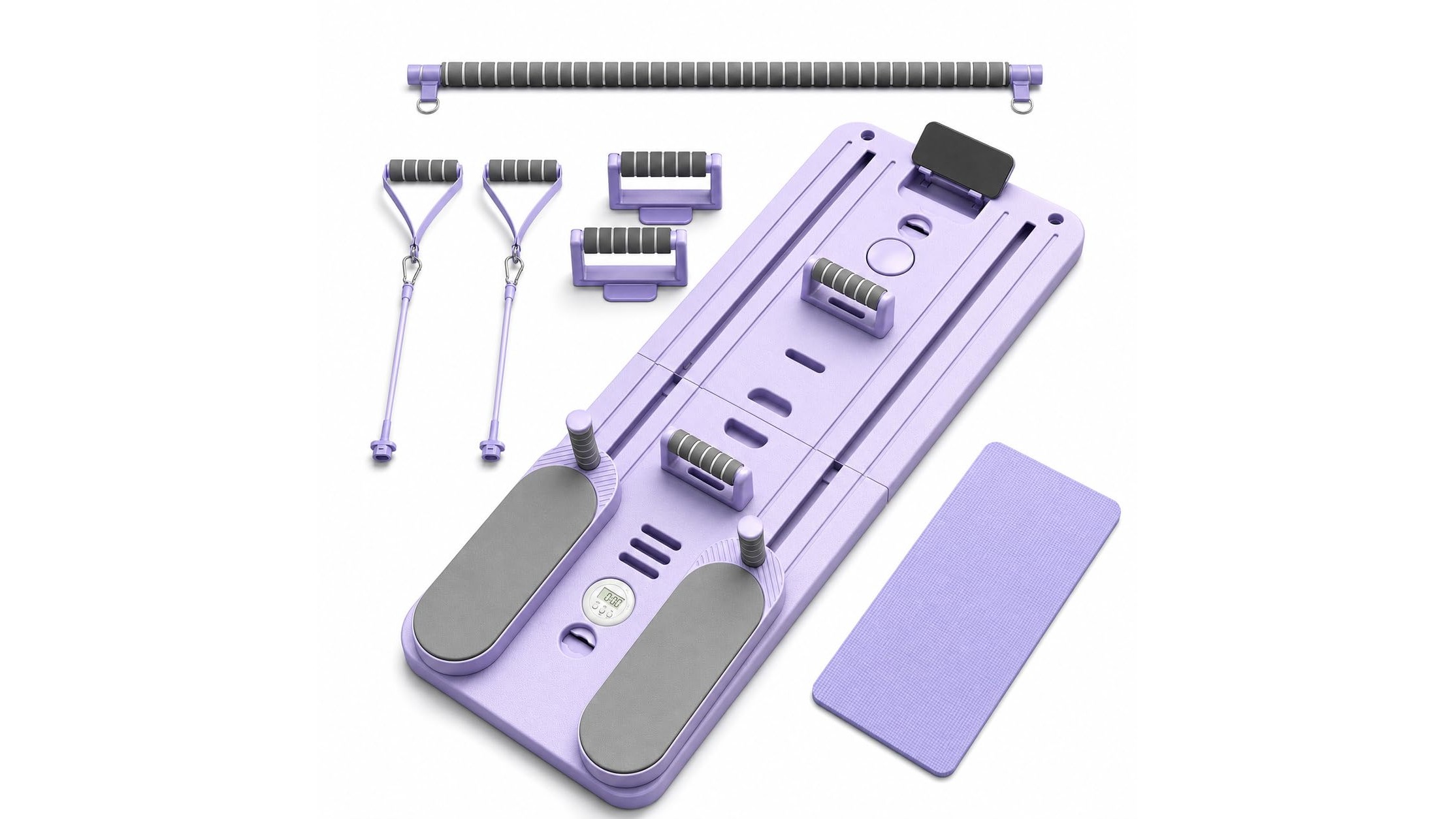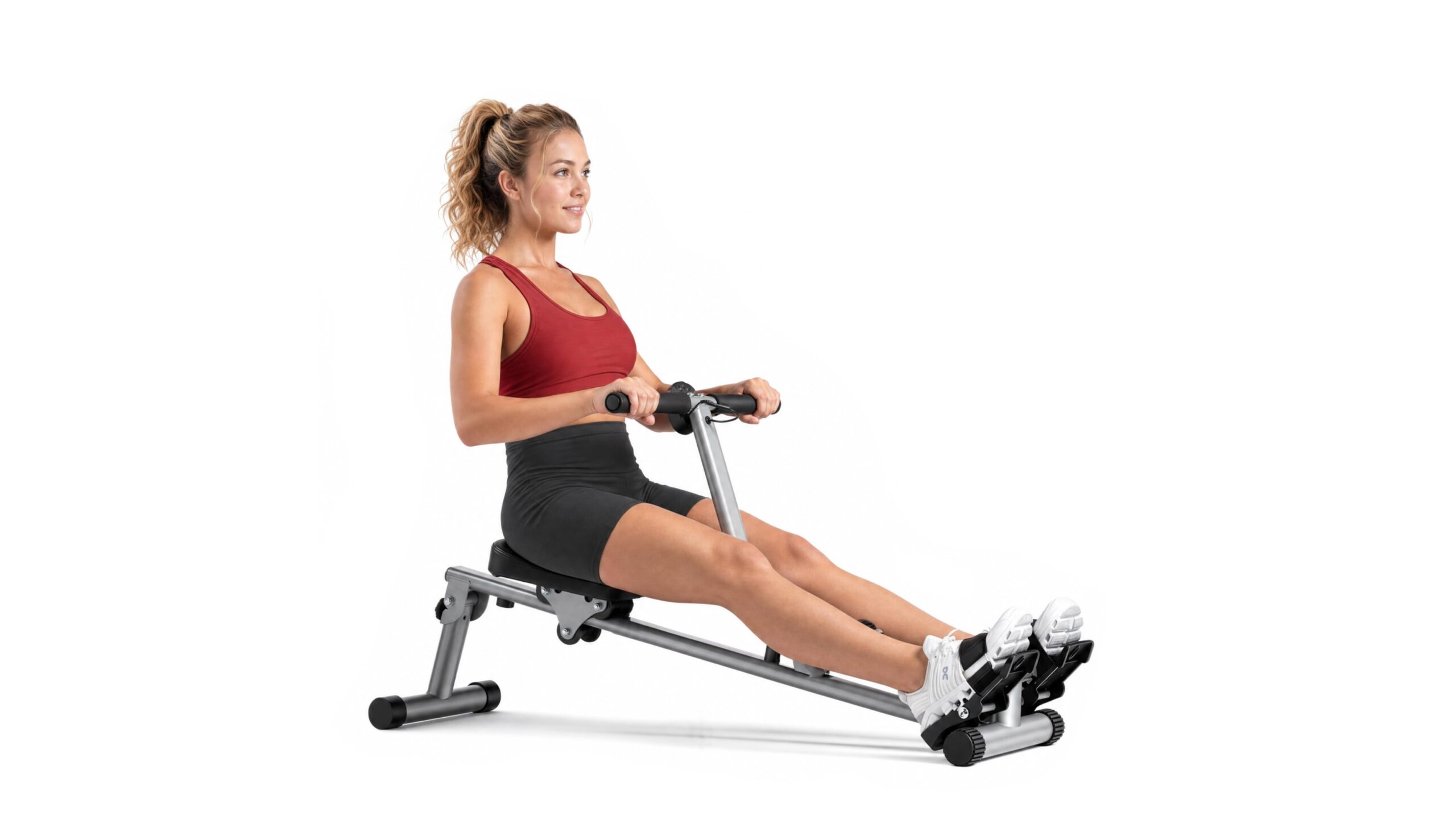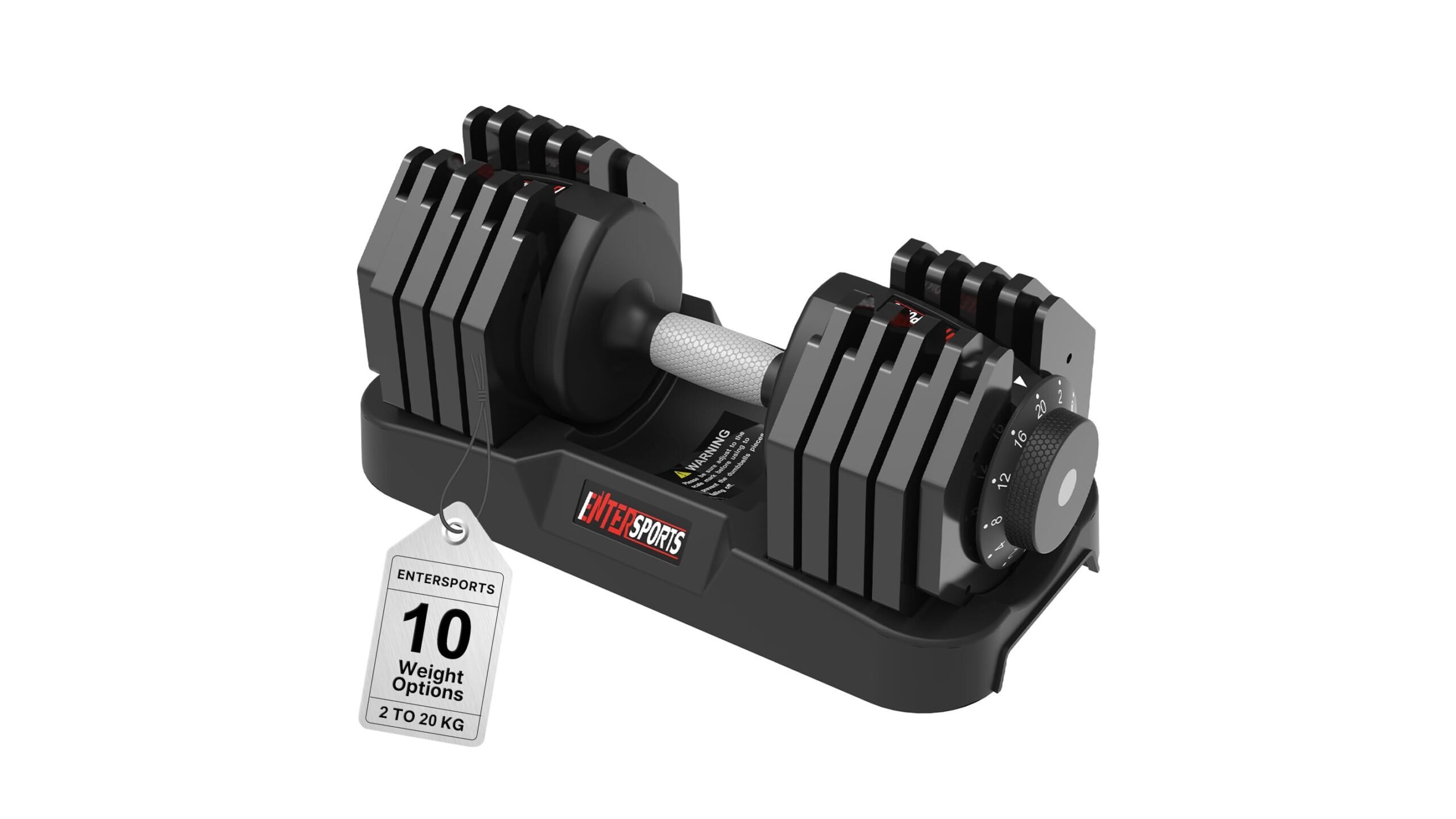
Building a smart home gym is no longer just about owning a treadmill or bike. Modern heart rate responsive cardio machines automatically adjust speed, incline and resistance to keep you in your target zone, making workouts more effective and safer. Understanding how these systems work, how to set them up, and how to programme sessions at home can help you train like you would with a personal coach, but in your living room.
Table of contents
How heart rate responsive cardio actually works
Heart rate responsive modes use a built‑in or external heart rate monitor to read your pulse in real time, then automatically tweak speed, incline or resistance. You first set a target zone (for example 65–75% of max HR for fat burning, or 80–90% for HIIT). As you warm up and your heart rate rises, the machine gradually increases difficulty; if you overshoot your limit, it eases off. This closed‑loop feedback helps you avoid training too hard or too easy, and is especially useful for home workouts where you don’t have a coach watching you.
Smart treadmills with auto incline and heart rate control
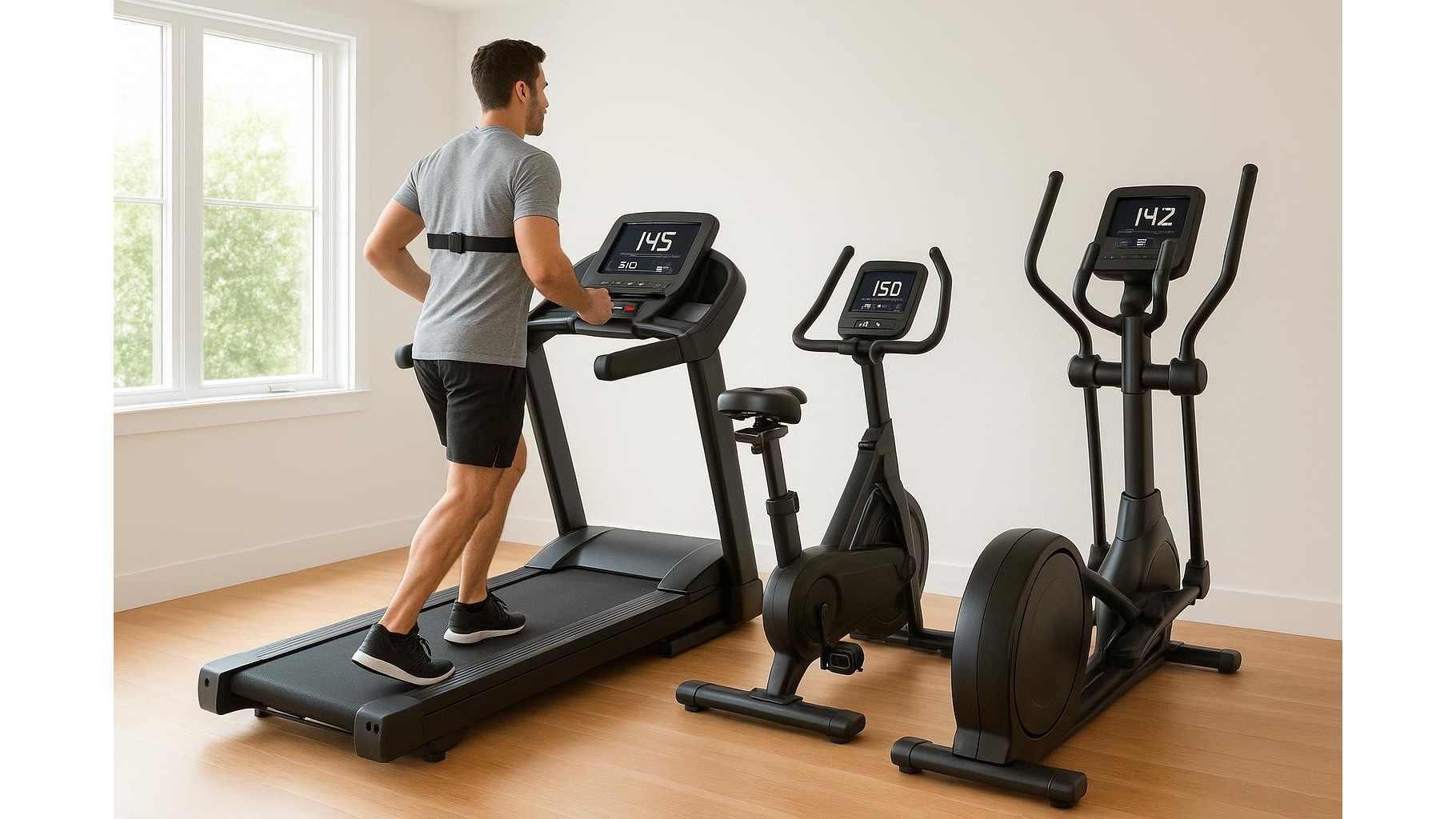
On a treadmill, heart rate programmes typically control both speed and incline. After entering your age and sometimes weight, the treadmill calculates an estimated max heart rate and builds a curve that ramps up. As your heart rate climbs, the deck will auto‑adjust incline in small steps, simulating hills to push your cardiovascular system without forcing you to sprint beyond your comfort level. For safer home use, start with the lowest heart rate programme, keep the safety key clipped, and allow at least a metre of free space behind the deck. Beginners should prioritise incline increases over speed jumps to reduce joint impact while still challenging the heart.
Exercise bikes with automatic resistance based on your pulse
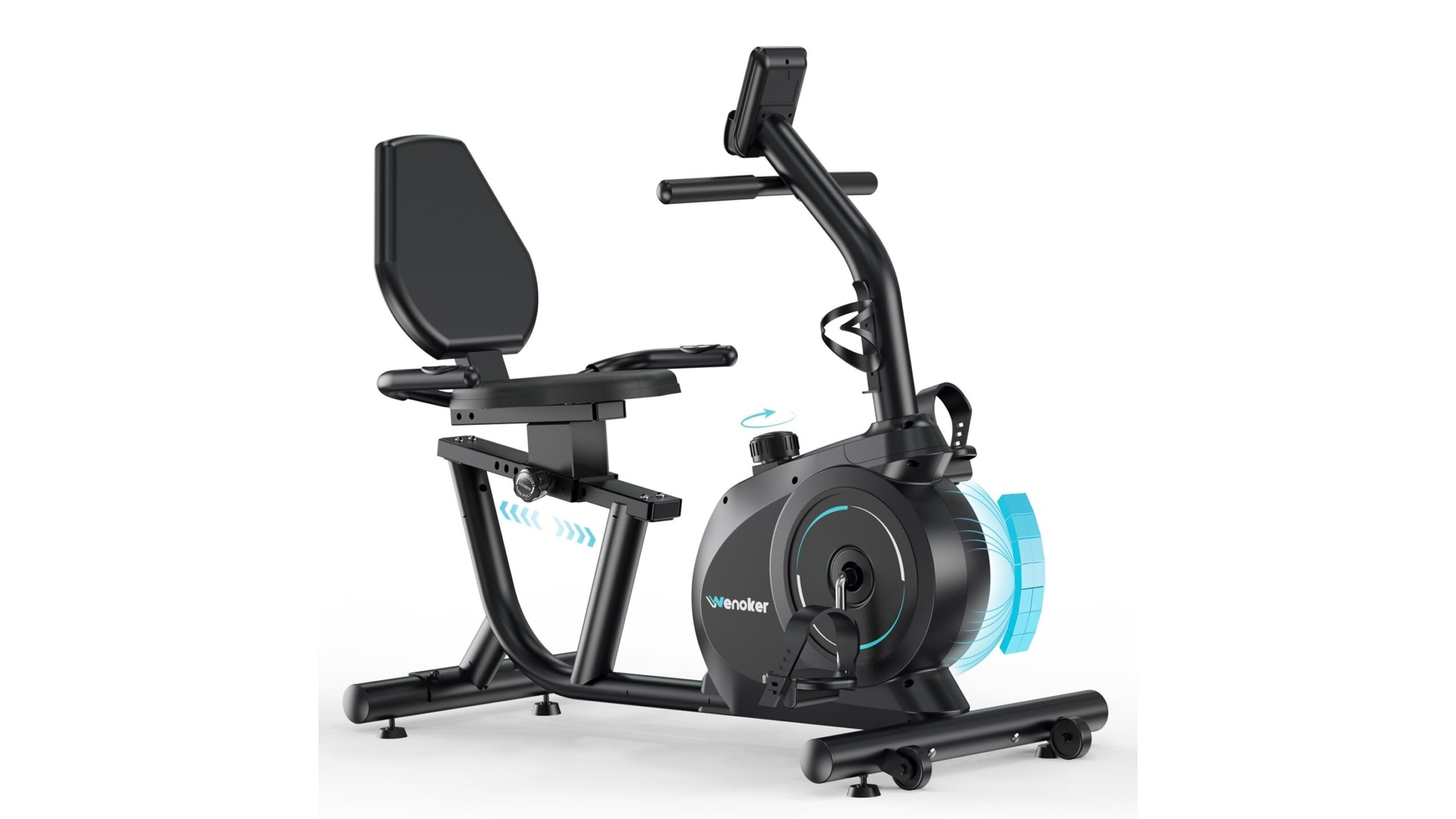
For many users setting up a home gym in smaller spaces, a heart rate responsive exercise bike is a quieter, joint‑friendly alternative. In HR mode, the console automatically changes magnetic resistance level every few seconds to match your target zone. Because cadence (pedal speed) is easy to control, bikes can keep you locked into a cardio sweet spot with very smooth resistance transitions. When programming sessions, use a 5–10 minute easy warm‑up, then 15–25 minutes in a steady zone before a cool‑down. If you are rehabilitating from an injury or are new to fitness, choose a lower target heart rate and avoid standing climbs; focus on consistent seated pedalling while letting the machine handle intensity.
Elliptical trainers and low‑impact heart rate coaching
Elliptical cross trainers combine upper‑ and lower‑body work with very low impact, making heart rate control particularly valuable. In HR mode, they fine‑tune resistance and sometimes ramp angle to keep your pulse stable. Because your arms are involved, heart rate tends to rise faster at lower perceived effort, so select a slightly lower target than you would on a bike or treadmill. At home, focus on a smooth, upright stride and avoid leaning on the handles; this improves cardiovascular conditioning and muscular endurance while the machine’s auto‑adjust feature turns your session into a guided workout. Ellipticals are ideal for longer steady‑state cardio days and active recovery when your joints need a break.
Practical setup, safety and programming tips for home use
To get the best from any heart rate responsive cardio machine, start with accurate data: wear a reliable chest strap or high‑quality optical monitor, and ensure the sensor is snug and dampened for better readings. Input your true age and, if possible, customise your max heart rate based on a test or medical advice rather than generic formulas. Begin with one or two HR‑guided sessions per week, alternating with simpler workouts so your body adapts. Hydrate well, ventilate your workout room, and stop immediately if you feel dizzy or unwell. Over time, log your average heart rate, distance and perceived exertion; as fitness improves, you will notice you can handle higher incline or resistance at the same pulse, confirming that your smart home cardio is genuinely transforming your training.
In summary, bringing heart rate responsive treadmills, bikes and ellipticals into your home gym turns every session into personalised coaching. By letting the machine automatically adjust speed, incline and resistance to your heartbeat, you train more efficiently, stay within safe limits and make steady progress towards your goals. With thoughtful setup, respect for safety guidelines and simple but consistent programming, these smart cardio tools can elevate your fitness while keeping your workouts convenient, engaging and tailored to your body.