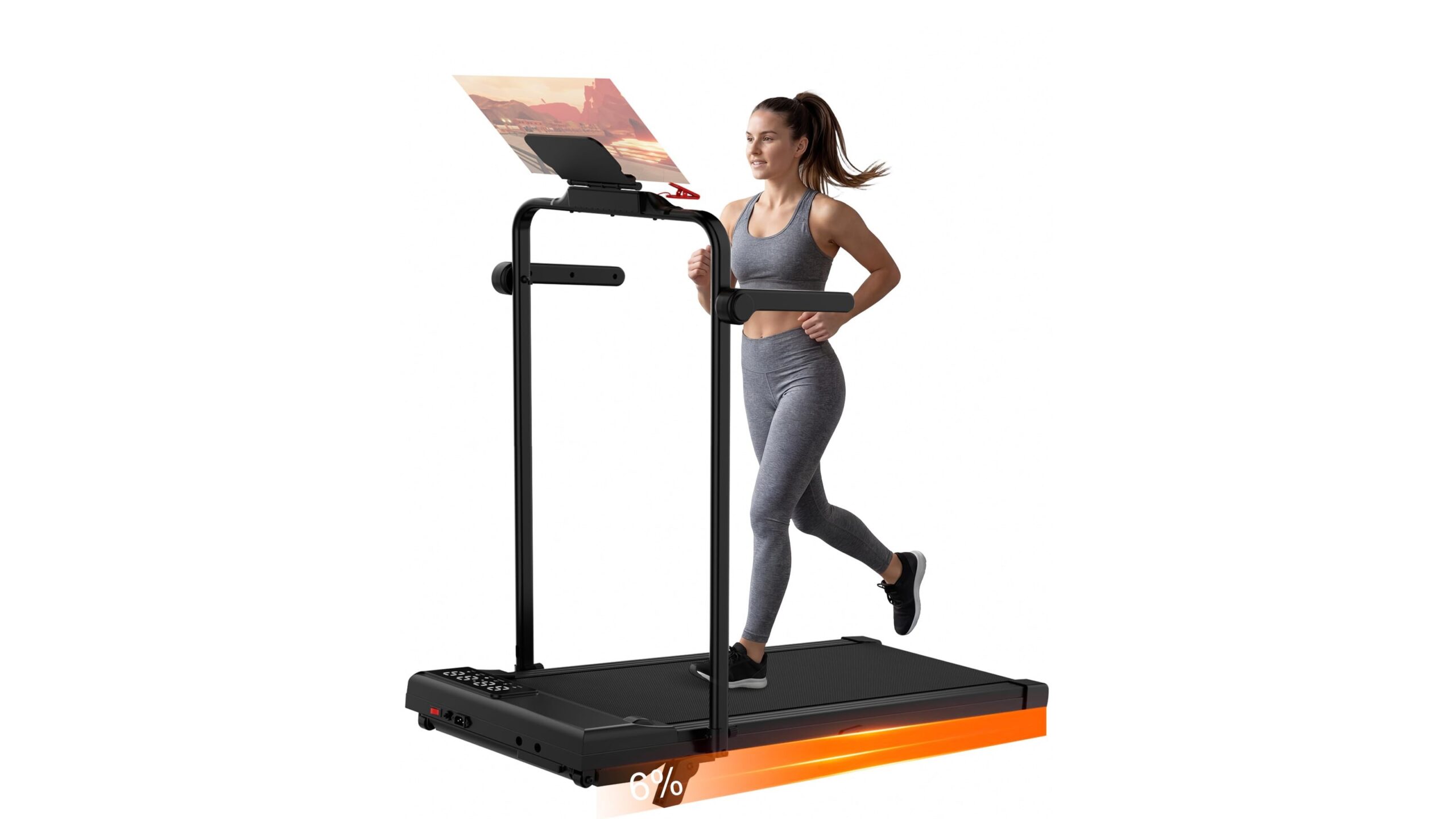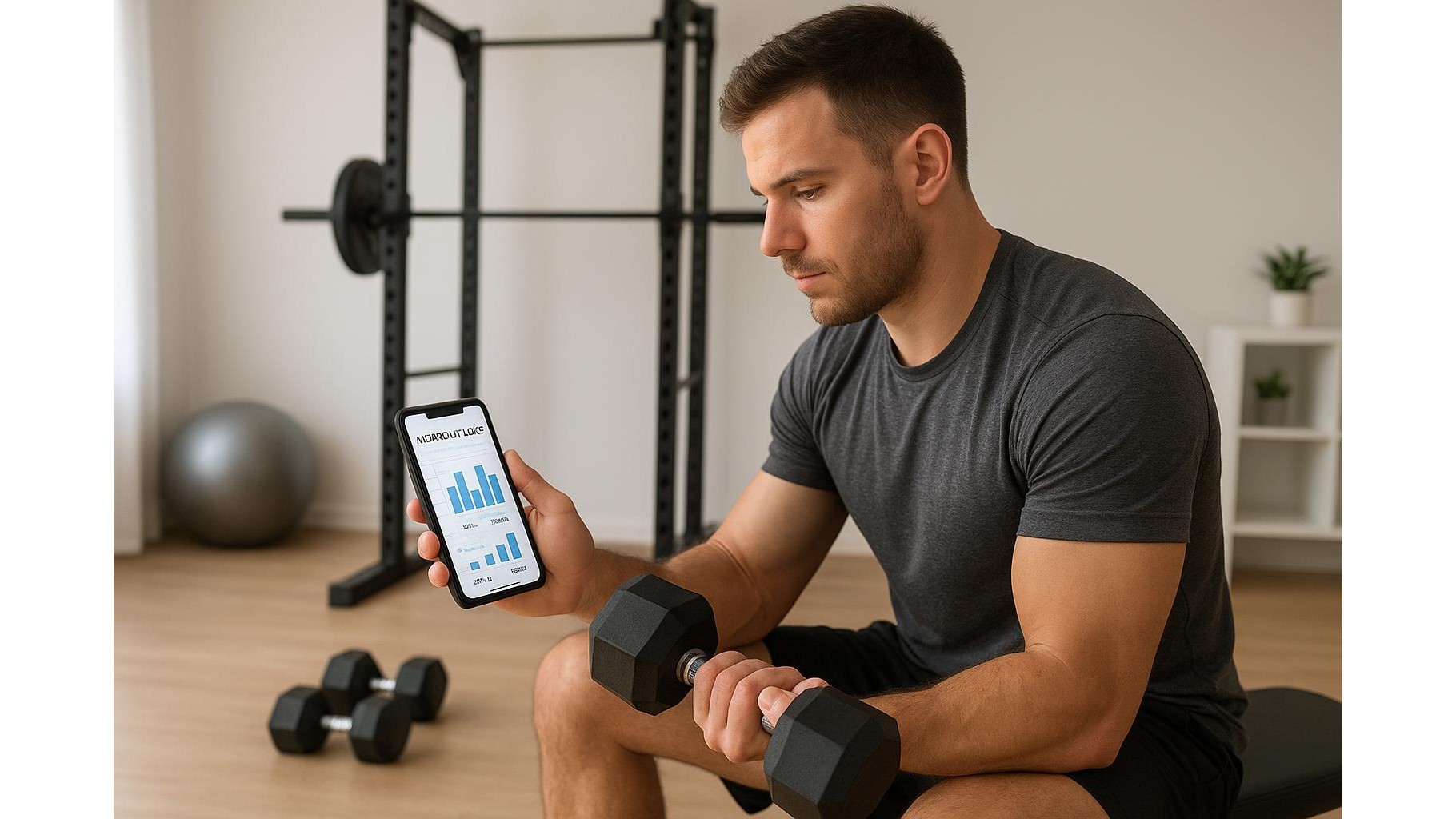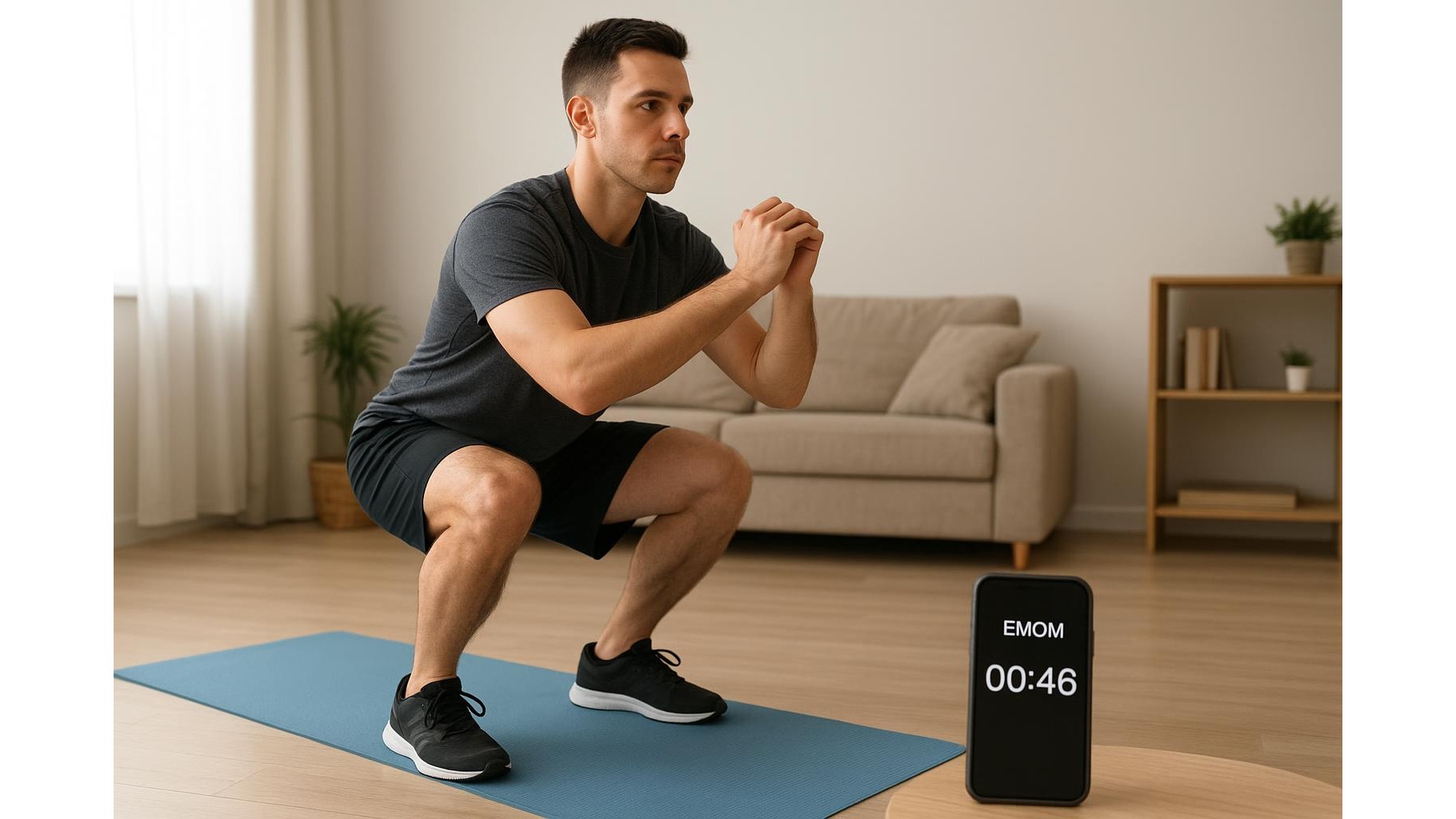
Turning a spare room into a home cardio corner is easier than ever, but the big question remains: should you rely on the guided training apps that come with many modern exercise bikes and treadmills, or stick to the simple, free workout modes built into the console? Understanding how each format affects your motivation, consistency and progression is key to choosing the right setup for your home gym and your family.
Table of contents
What are guided subscription platforms?
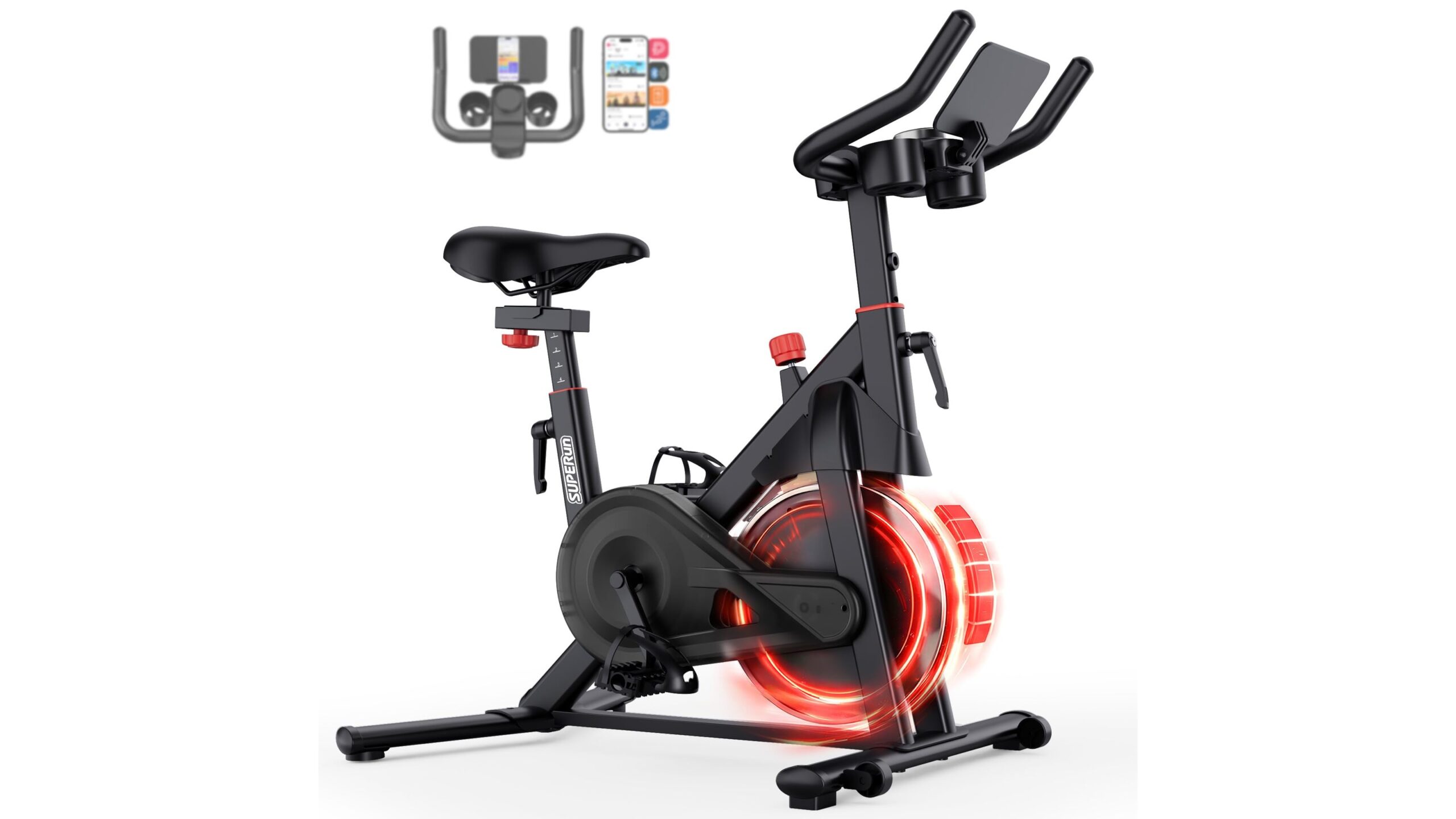
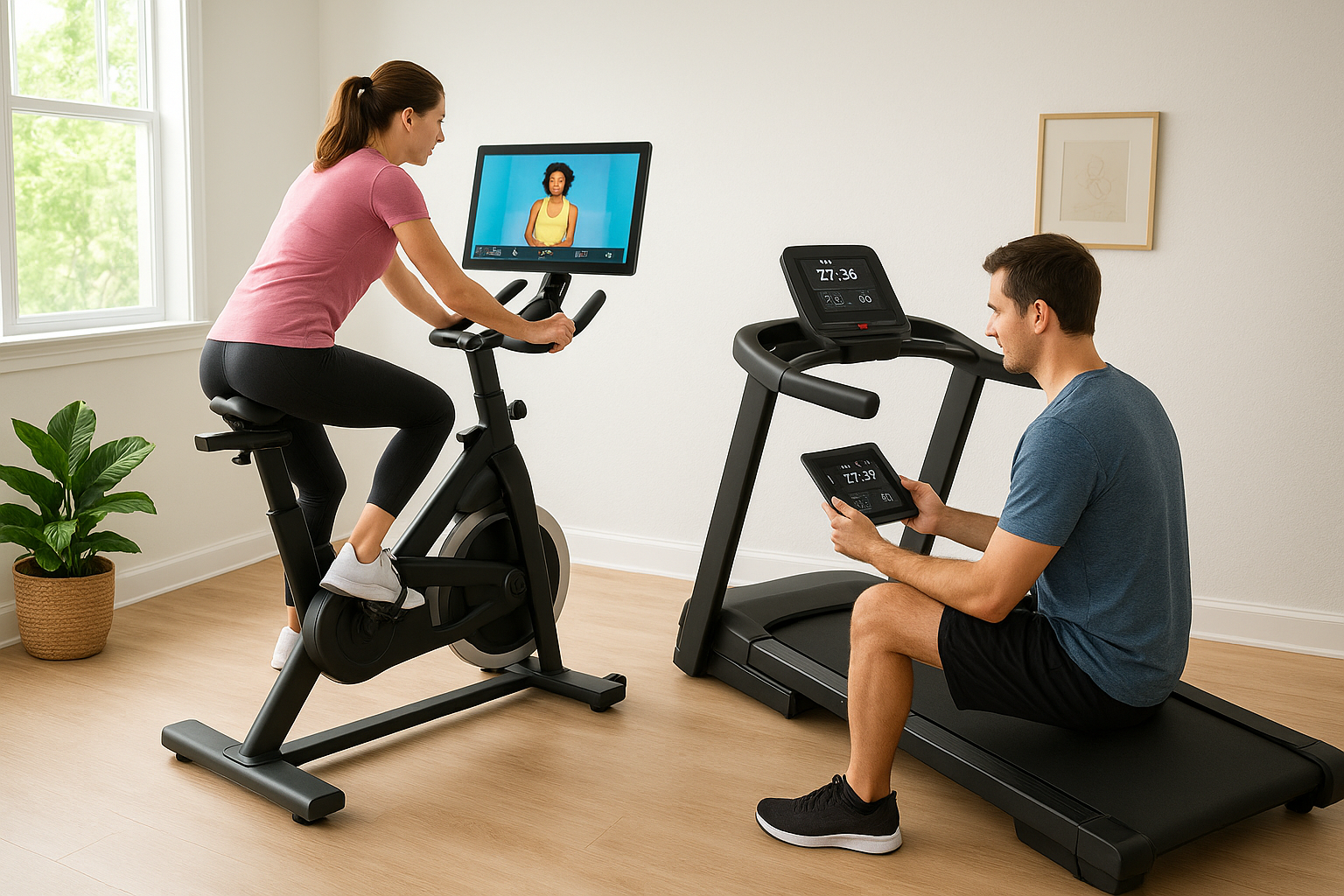
Guided platforms are app-based ecosystems that pair with compatible bikes or treadmills to deliver on-demand classes, structured training plans and metrics tracking. Typically accessed via tablet, phone or a built‑in screen, they offer instructor‑led rides or runs, scenic routes and tailored programs that adapt to your fitness level. You’ll often get performance dashboards with heart rate, cadence, pace and calories, plus leaderboards and badges. The trade‑off is a recurring subscription fee, but in return your workout is designed for you every time you step on the machine, which can dramatically reduce decision fatigue and keep you more engaged across the week.
How do free modes on bikes and treadmills work?
Free modes are the no‑subscription options built into almost all cardio machines. On a standard home bike or treadmill you can select manual, interval, fat burn or hill programs, adjust speed or resistance and simply start moving. These modes are ideal if you value simplicity, don’t want ongoing costs and prefer to set your own pace while watching TV or listening to podcasts. However, they rarely offer progressive overload or automatic tracking beyond basic time and distance, so the responsibility for planning varied, challenging sessions rests entirely on you. For many users, that makes it harder to stay consistent once the initial enthusiasm fades.
Motivation and habit building at home
For home users, the biggest advantage of guided training apps is motivation. Live or on‑demand coaches prompt you to push when you’d normally ease off, and class schedules make it easier to block out workout time in your calendar. Features like streaks, challenges and badges tap into game‑like rewards that can turn solo cardio into something you actually look forward to. Free modes demand more internal discipline; if you’re already highly self‑motivated or follow an external training plan, that may be enough. But if you often find yourself scrolling your phone instead of starting your session, guided formats can remove friction and help solidify a sustainable habit.
Progression and training structure
To keep improving cardio fitness, you need structured progression: gradually increasing intensity, duration or complexity. Subscription platforms excel here, offering multi‑week plans for goals like 5K runs, weight loss or cycling endurance, with automatic adjustments based on your performance. This can be especially valuable for beginners who don’t yet know how to program intervals or recovery days. Free modes can support progression, but only if you consciously track your sessions and tweak variables over time. Without that structure, many home workouts plateau at the same comfortable pace, which limits improvements and can eventually reduce your sense of reward and achievement.
Family use, profiles and value for money
In a household setup, guided apps can be a great way to share the same equipment while still personalising the experience. Many platforms allow multiple user profiles under one account, each with its own stats and preferences, so partners or teenagers can follow different programs on the same bike or treadmill. This multiplies the value of the subscription, especially if several people train three or more times per week. If you live alone or only use the machine occasionally, free modes may be more cost‑effective: you avoid monthly fees and can still get solid aerobic work by combining manual sessions with free content on YouTube or your smartwatch.
Which cardio format should you choose?
Choosing between guided training apps and free workout modes comes down to your personality, goals and budget. If you thrive on coaching, community features and ready‑made programs, a connected bike or treadmill with a subscription platform can significantly boost your consistency and results, especially for families sharing one machine. If you are disciplined, training toward clear targets and prefer minimal tech, a simpler model using free modes will still deliver excellent home cardio at a lower ongoing cost. Whichever route you pick, the best format is the one that keeps you pressing start, week after week.