If you love the smooth feel of water rowing machines but hate the look of industrial gym gear, furniture-style water rowers are the sweet spot. These elegant, often wooden rowers are designed to live in your living room without spoiling the vibe, giving you serious cardio while doubling as a design piece. Here’s how to choose one that fits your training needs and your interior style.
Why furniture‑style water rowers belong in your living room
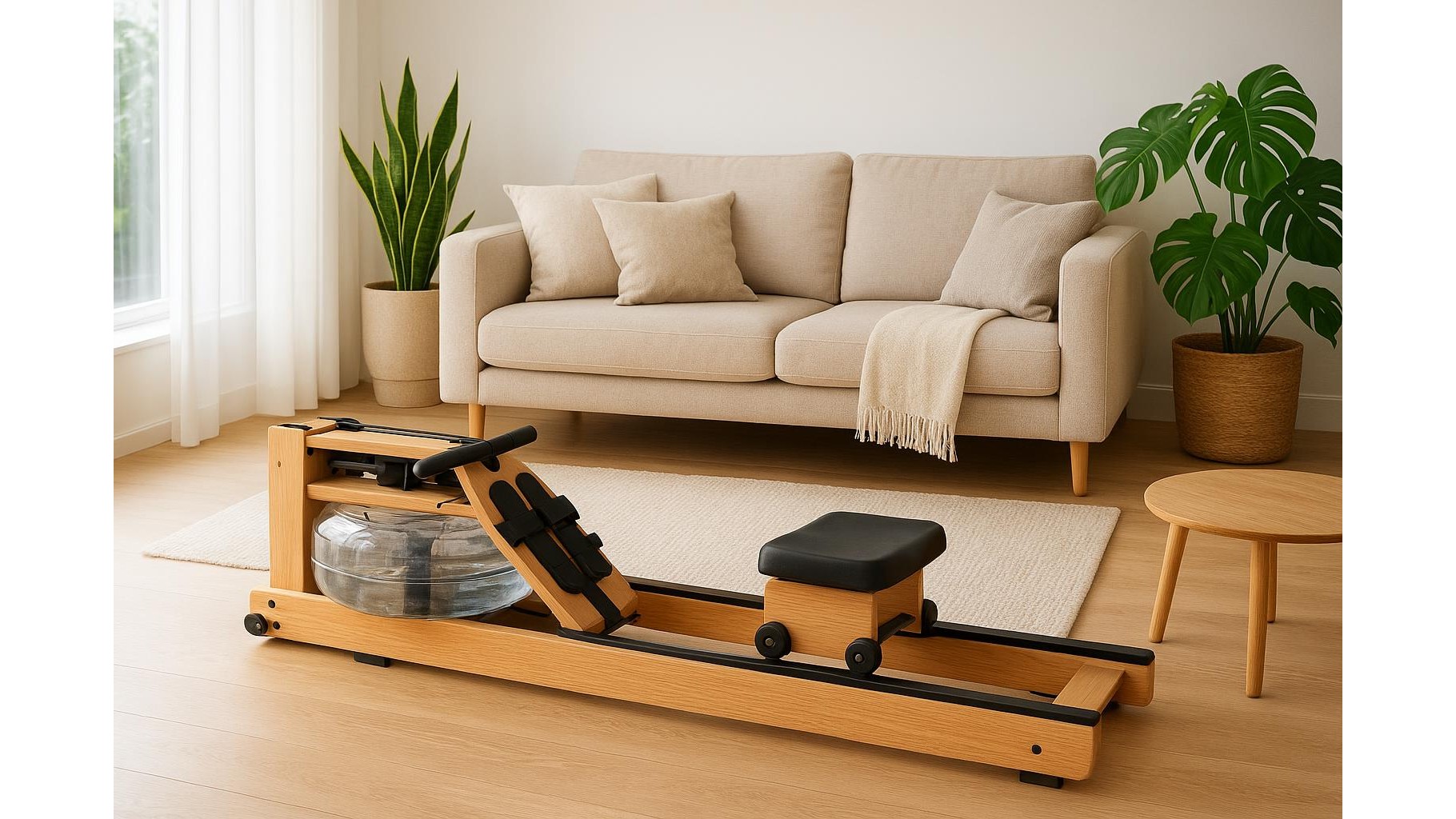
Unlike bulky metal gym machines, furniture‑style water rowers use natural materials like oak, ash or walnut and clean, sculptural lines so they sit comfortably alongside sofas, plants and bookshelves. The water tank creates a gentle, organic focal point, and the motion of the paddle in water feels more like a design statement than a workout in progress. Because these machines are usually compact and narrow, they don’t dominate the room visually. When chosen in a wood tone that matches your floor or furniture, a wooden water rower can read more like a minimalist bench or console than a piece of gym equipment, making it easier to keep your cardio gear permanently accessible rather than hidden away.
Tank size, resistance feel and training performance
The heart of any water rower is the water tank. A larger tank generally offers a smoother, heavier stroke and more headroom for intense intervals, while smaller tanks save space and weight but can feel slightly lighter. Because water rowers use fluid resistance, the harder you pull, the more resistance you get, which makes them suitable for beginners and advanced rowers on the same machine. Some models allow you to adjust resistance by changing the water level, which is handy if multiple people will use the rower. Look for a consistent, lag‑free catch at the start of the stroke and a steady build of resistance through to the finish. Smooth resistance is not just about performance: a jerk‑free stroke means less vibration and rattling, which helps the machine remain unobtrusive in a shared living space.
Noise level: how quiet can a water rower really be?
One of the biggest advantages of water rowing machines over air rowers is the noise profile. Instead of the harsh whoosh of a fan, you hear a low, rhythmic swish of water, which many people find soothing and even meditative. For living‑room use, pay attention to how the frame and tank are built: solid wood frames with good joinery absorb vibration better than hollow, rattly metal structures. High‑quality bearings and a well‑tensioned drive strap also reduce mechanical noise. While no rowing machine is completely silent at high intensities, a good furniture‑style water rower is quiet enough that you can train early in the morning or late at night without disturbing partners, children or neighbours, and you’ll still be able to hear podcasts or TV at a normal volume.
Design details that help a rower blend with your décor
To make a rowing machine for the living room work visually, look at it the way you would assess a coffee table or media console. Consider the wood finish (light oak for Scandi interiors, darker walnut for classic or mid‑century rooms) and the shape of the rails and feet. Discreet, dark hardware and low‑profile footrests keep the machine from screaming “gym.” A compact monitor that folds away or sits flush to the frame is much easier on the eye than a bulky console. Some models use textured straps and matte plastics that don’t catch the light, so the overall impression is of crafted furniture rather than shiny equipment. If you already have warm, natural materials at home—wool rugs, wooden shelving, linen sofas—a wooden water rower will often feel like a natural extension of your existing décor.
Storage, footprint and everyday usability
Even the prettiest home rowing machine needs to be practical. Many furniture‑style water rowers are designed to stand upright after use, resting on the tank end so the footprint is roughly the size of a dining chair. This is ideal for small apartments or multi‑use living rooms, letting you roll the rower into a corner when guests arrive. Look for built‑in wheels so you can tilt and move the rower easily, and check the total weight once the tank is filled—heavier can be more stable, but too heavy becomes a chore to reposition. Consider how easy it is to step in and out of the machine, whether the seat rolls smoothly and quietly, and how intuitive the computer is to use. If tracking distance, strokes and split times matters to you, make sure the display is legible from your normal rowing posture without adding visual clutter to the room.
Balancing style and serious cardio
The best furniture‑style water rower strikes a balance between aesthetics and athletic performance. Your machine should offer a long enough rail for your height, a comfortable, ergonomic handle and seat, and robust construction that can handle regular, sweaty sessions. At the same time, it should feel like an intentional part of your living room, not an eyesore you’re constantly trying to ignore. Prioritise a frame material and finish that match your décor, a tank size and resistance feel that suit your training style, and a storage system you’ll actually use. With the right choice, you’ll be far more likely to keep your rower accessible and row regularly—turning a beautiful object into a powerful tool for cardio fitness, endurance and everyday wellbeing.