Choosing between a fan-resistance elliptical and a magnetic-resistance elliptical is not just a tech detail; it directly affects how noisy your workouts are, how much space the machine needs, and whether it feels good to use in a small apartment or garage gym. In compact homes, factors like sound level, maintenance, and smoothness of the stride become crucial. This guide compares the two systems so you can match the right elliptical to your real living conditions, not just the product specs.
How fan resistance and magnetic resistance actually work
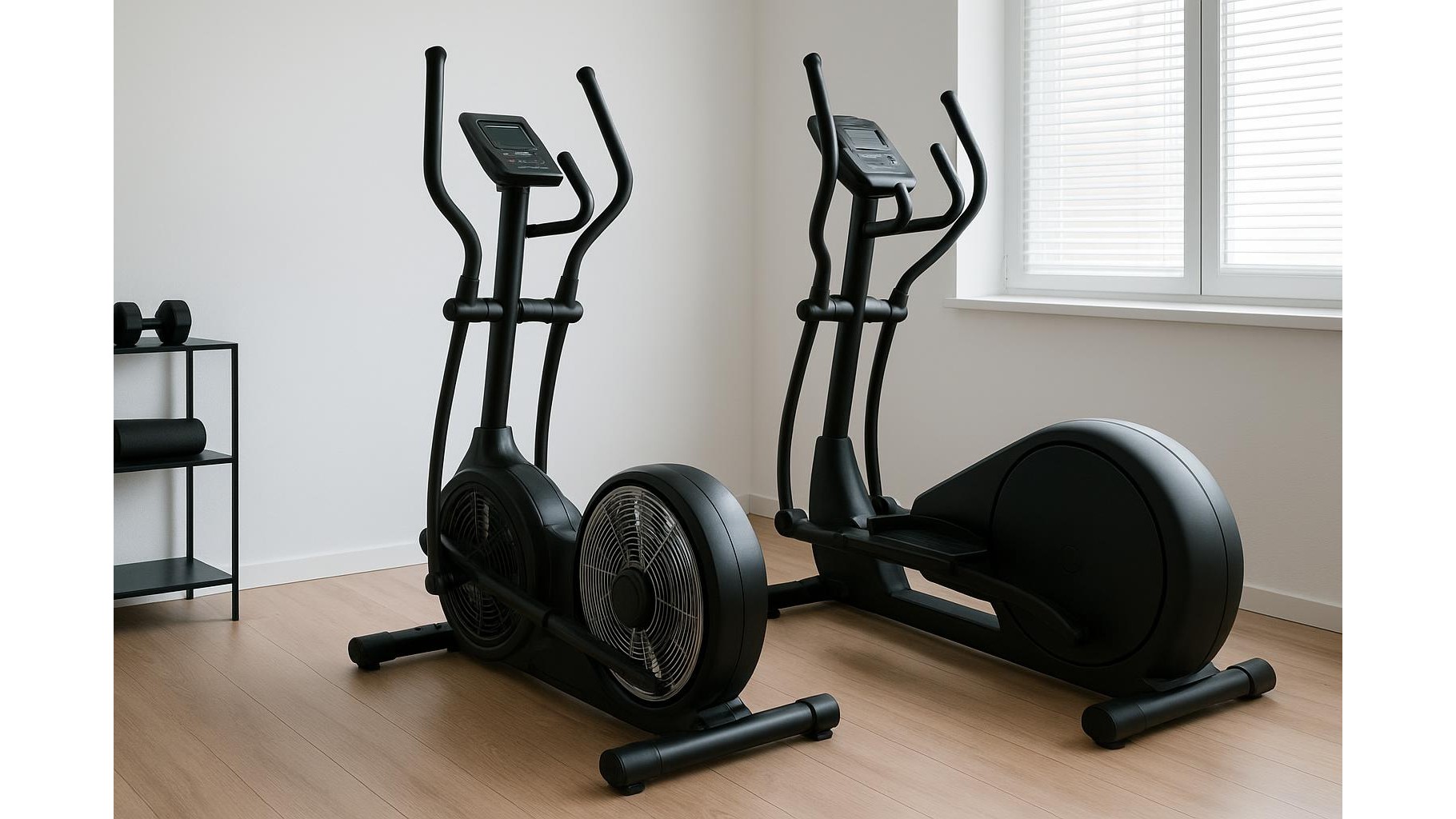
Fan-resistance ellipticals use a large fan wheel that pushes air as you pedal. The harder you work, the more air the fan moves, and the more resistance you feel. This makes resistance naturally progressive and ideal for high-intensity intervals. Magnetic-resistance ellipticals rely on magnets positioned around a metal flywheel; changing the distance between magnets and flywheel changes how hard it is to turn. This system offers precise resistance levels, often controlled by buttons on the console, and allows for pre-set training programs that adjust difficulty automatically during your session.
Noise levels: a key issue for apartments and late-night workouts
For a small home gym inside an apartment, noise might be your number one concern. Fan-resistance ellipticals create a distinctive whooshing sound as the fan spins, which gets louder the harder you pedal. It is not unpleasant, but in thin-walled flats it can be an issue for neighbours or sleeping family members. Magnetic-resistance systems are typically much quieter, because the magnets do not touch the flywheel. Most of the sound comes from the mechanical movement of the pedals and joints, not the resistance itself. If you train early morning or late at night, a magnetic elliptical is usually the safer choice to avoid complaints.
Workout feel, smoothness and intensity options
The workout feel on a fan elliptical is dynamic and very responsive: push harder and resistance ramps up instantly, which can be fantastic for HIIT sessions and conditioning workouts. However, you usually cannot set exact levels; the resistance is controlled by your effort and cadence. Magnetic-resistance ellipticals, on the other hand, offer a smoother, more controlled stride with clearly defined levels that you can repeat from workout to workout. This is ideal if you follow structured training plans, need gradual progression, or share the machine with family members of different fitness levels. For users with joint issues, the predictable, low-friction feel of magnetic resistance often feels more comfortable.
Space, maintenance and long-term durability
In a compact home gym, footprint and upkeep matter. Fan-resistance ellipticals sometimes have a bulkier front section to house the fan, and the open design can attract dust, which may require more frequent cleaning. Over time, you might need to tighten bolts or check moving parts due to the higher mechanical stress of intense workouts. Magnetic-resistance ellipticals usually have a more enclosed design, which protects the flywheel and magnets from dust and moisture. The lack of friction in the resistance system can mean less wear and tear and relatively low maintenance beyond periodic lubrication and inspection. If you are squeezing the trainer into a small corner or garage, measuring length and height carefully is essential, especially with rear-drive models.
Which resistance system suits your specific home gym?
If your priority is maximum intensity and you do not mind some noise, a fan-resistance elliptical can deliver incredibly challenging, responsive workouts that reward strong effort. It feels almost like a hybrid between an air bike and a traditional cross-trainer. However, for most people setting up a small home gym in an apartment, the magnetic-resistance elliptical is usually the better match: quieter, smoother, and easier to integrate into daily life. The adjustable levels simplify progression, and the compact, closed design tends to blend better into living spaces or tidy garage gyms.
In summary, both systems can support effective cardio training at home, but your environment should drive your choice. Fan resistance excels for athletes chasing intensity who can tolerate higher sound levels. Magnetic resistance suits those who value quiet operation, low maintenance, and precise control over difficulty. Think about where and when you will train, who shares the space with you, and how structured you want your workouts to be. Match the resistance system to those real-world needs, and your elliptical will feel less like a compromise and more like the perfect fit for your home gym.