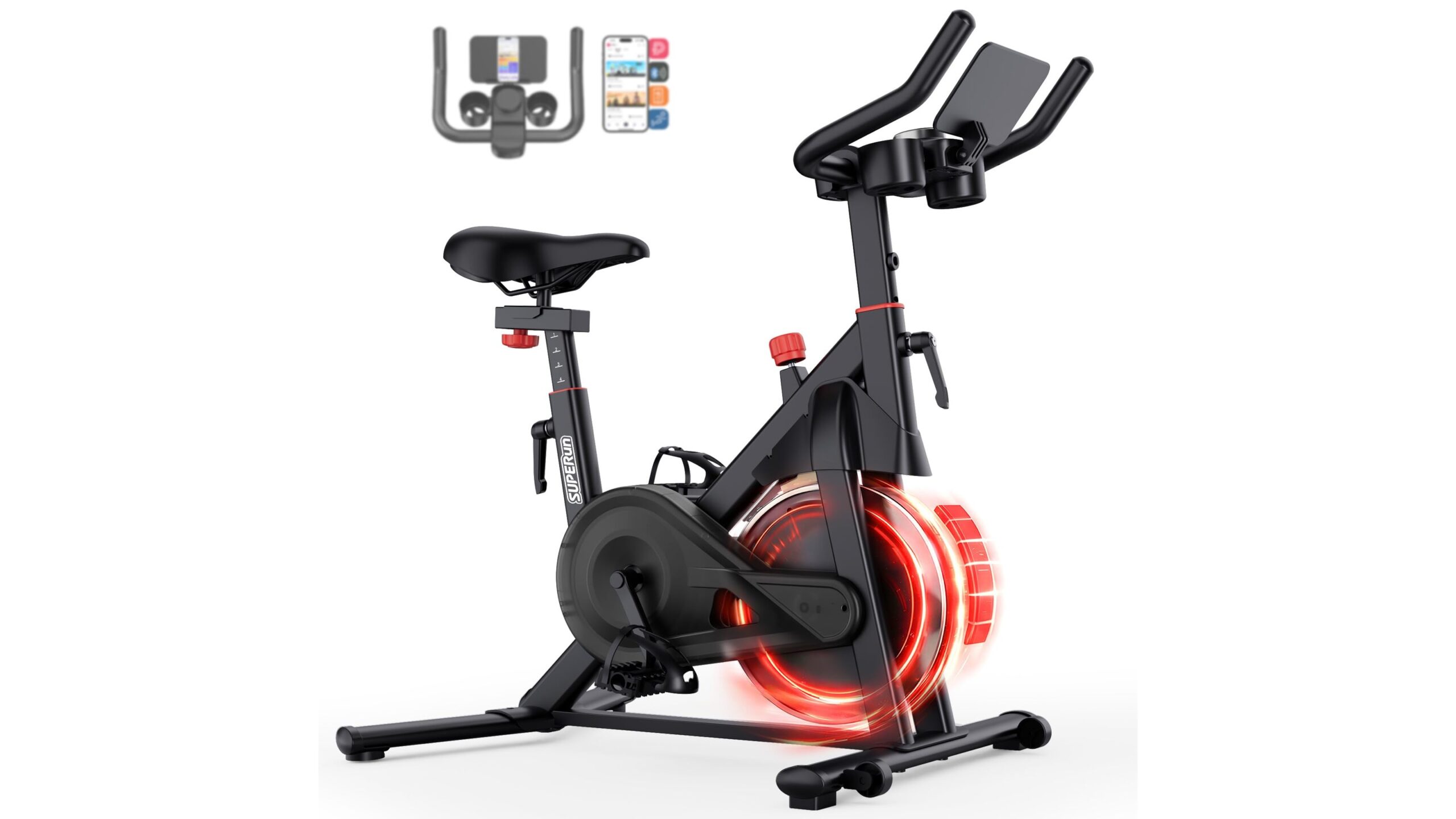
When you are building a home gym and want low-impact cardio, two machines usually top the list: the elliptical trainer and the stepper. Both protect your joints better than running on concrete, both can fit into a regular household, and both promise solid calorie burn. But they do not feel the same, do not demand the same space, and do not suit the same type of user. Understanding these differences is key to investing in the right machine for your long-term fitness.
Table of contents
Joint impact and comfort
An elliptical trainer offers a smooth, gliding motion that closely mimics running, while your feet never leave the pedals. This massively reduces impact on knees, hips and ankles, making it ideal for beginners, heavier users and anyone with joint sensitivity. Steppers and stair machines simulate climbing stairs, which is also low-impact compared to running, but the vertical movement is more demanding on the knees and calves. If you struggle with joint pain or are coming back from injury, the elliptical’s fluid motion and typically larger pedals with multiple foot positions usually make it the more comfortable daily option.
Calorie burn and workout intensity
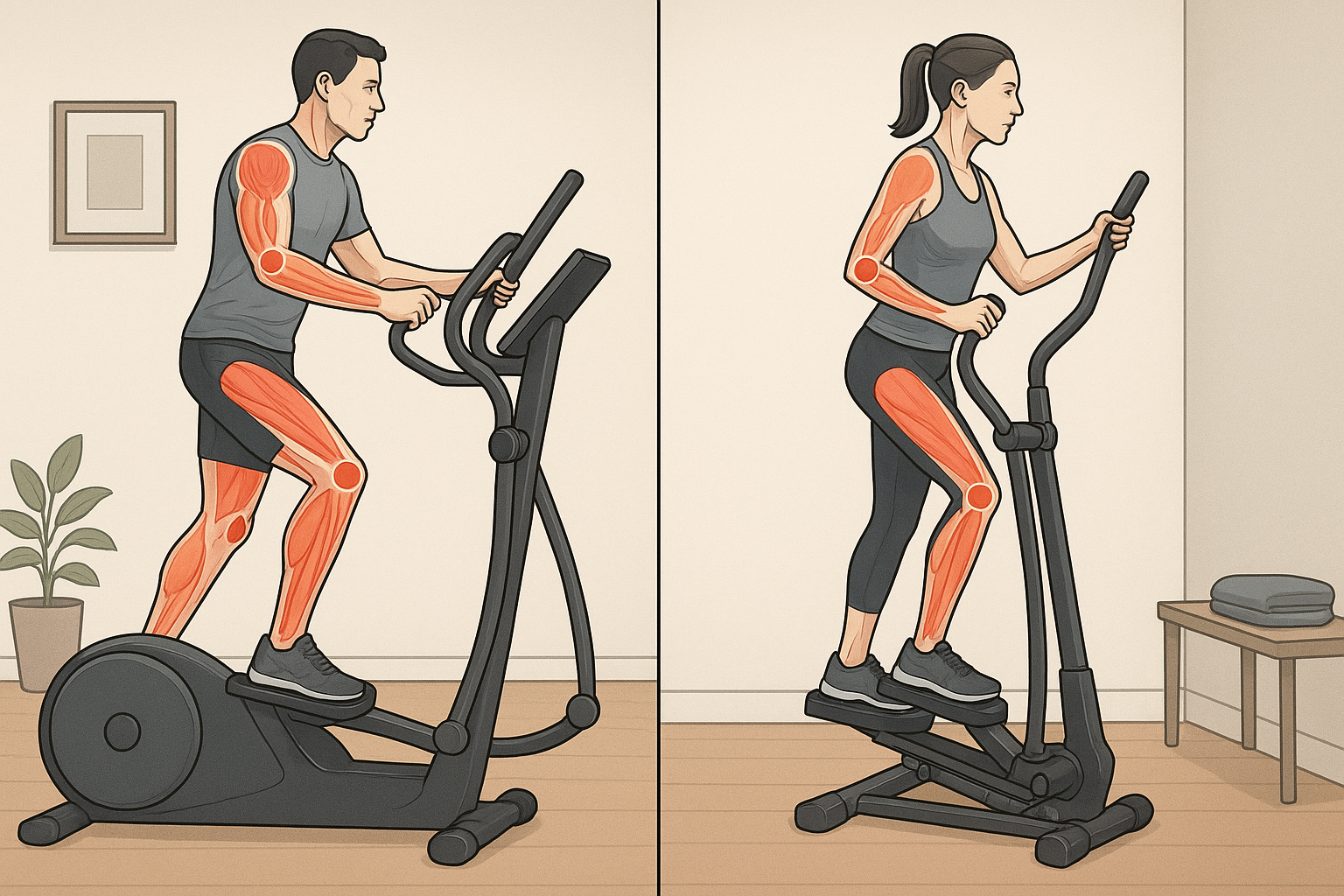
In terms of calorie burn, both machines can deliver strong results, but in different ways. Ellipticals usually allow full-body training thanks to moving handles that engage back, chest and arms, helping you burn more calories at moderate intensity. Steppers concentrate work on the lower body, especially glutes and quads, creating a strong muscular burn and a very high heart rate over short sessions. For longer, steady-state cardio or low-impact fat loss, the elliptical tends to be easier to sustain for 30–45 minutes. For short, brutal HIIT sessions and leg-focused conditioning, a stepper is often more efficient.
Space, portability and noise in a home gym
For small apartments or multi-use rooms, space and noise matter as much as performance. Elliptical trainers are typically larger, with a longer footprint and higher frame, and can dominate a corner of a room. Many modern models use magnetic resistance, which is relatively quiet but still produces more mechanical noise than a compact mini-stepper. Steppers, especially small hydraulic or compact designs, shine in tiny spaces: they are light, easy to move, and can be stored in a wardrobe after use. They also tend to be quieter, which is a significant plus if you train early in the morning or late at night in a flat with neighbours.
Training goals and who each machine suits best
Your fitness goals should guide your choice. Choose an elliptical if you want full-body, low-impact cardio that you can perform several times per week, at various intensities, with a focus on weight loss, heart health and general conditioning. It is also excellent for beginners who need stability and a gentle learning curve. Opt for a stepper if your priority is lower-body strength and endurance, if you enjoy very intense but shorter workouts, or if you are preparing for activities like hiking, trekking or stair climbing. Users with limited space, or those who want to supplement strength training with quick cardio finishers, often get more value from a compact step machine.
Budget, features and long-term adherence
From a budget perspective, small steppers are often cheaper than full-sized ellipticals, which include larger frames, heavier flywheels and more electronics. However, price is not the only factor: consider console features, training programs, heart-rate monitoring and connectivity with fitness apps, which can all boost motivation. An elliptical might be a bigger investment but can feel more engaging thanks to varied resistance levels, pre-set programs and smoother motion. Ultimately, the best machine is the one you will actually use three or more times per week. If you enjoy long, rhythmic workouts while watching TV, the elliptical usually wins. If you prefer ultra-efficient 10–20 minute blasts that torch your legs, the stepper may keep you more consistent.
In summary, both the elliptical trainer and the stepper are excellent low-impact cardio options for a home gym, but they serve different needs. The elliptical is generally better for full-body, joint-friendly, longer sessions and for users who want versatile, sustainable cardio. The stepper excels in small spaces, delivers intense lower-body conditioning and suits those who like short, powerful workouts. Define your goals, measure your available space, and be honest about which movement you enjoy more; that is the real deciding factor in choosing the low-impact cardio winner for your home.