Setting up a home cardio corner in a small living room often comes down to a choice: a full‑size elliptical trainer or a compact mini cross trainer. Both promise low‑impact workouts that are gentler on your joints than running, but they feel very different in daily use and demand different amounts of space, time and budget. In this guide we compare how they perform in terms of noise, stride feel, joint impact, training goals and how much room you really need so you can pick the machine that actually fits your living room and your routine.
Table of contents
Space and living‑room friendliness
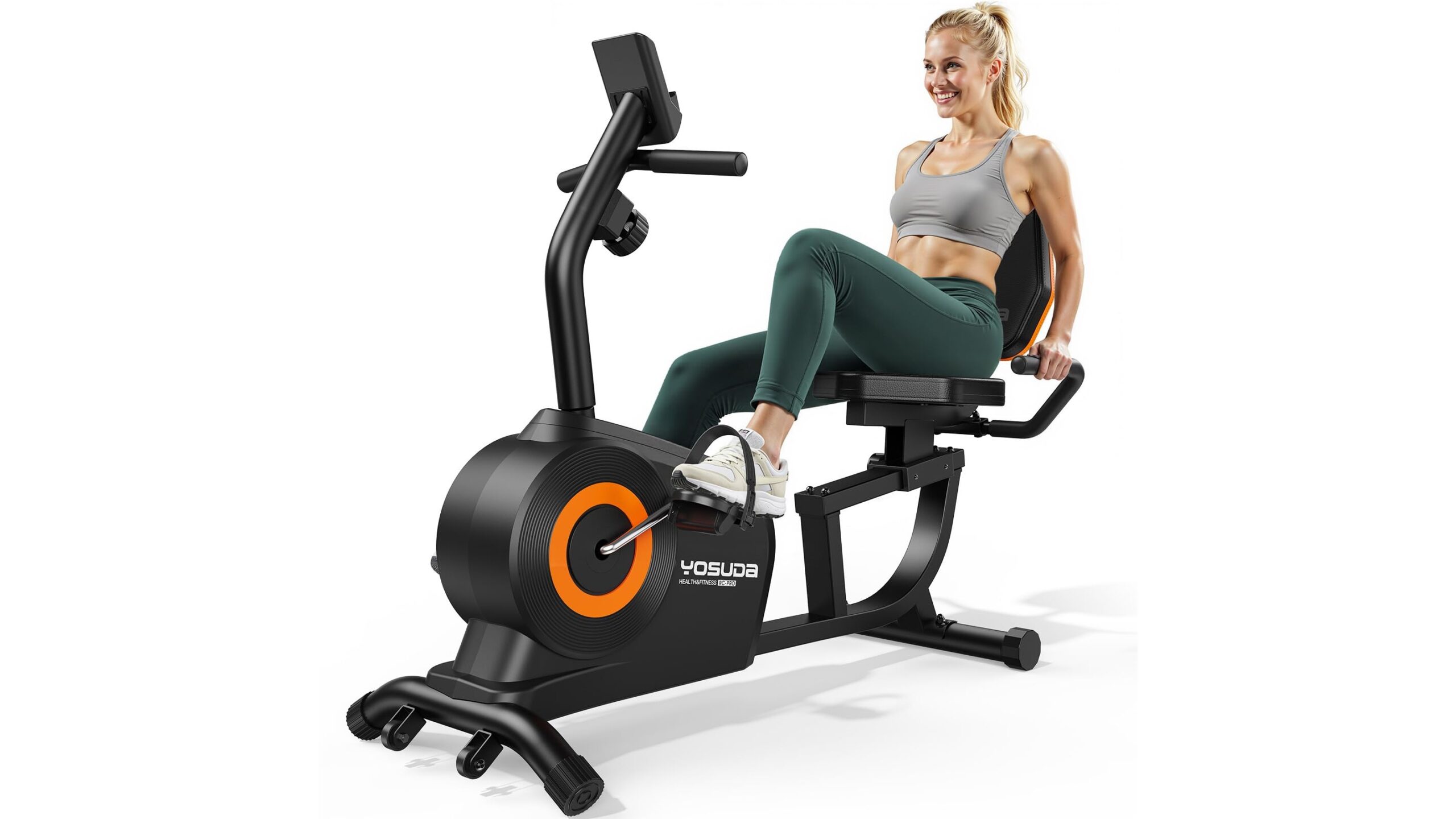
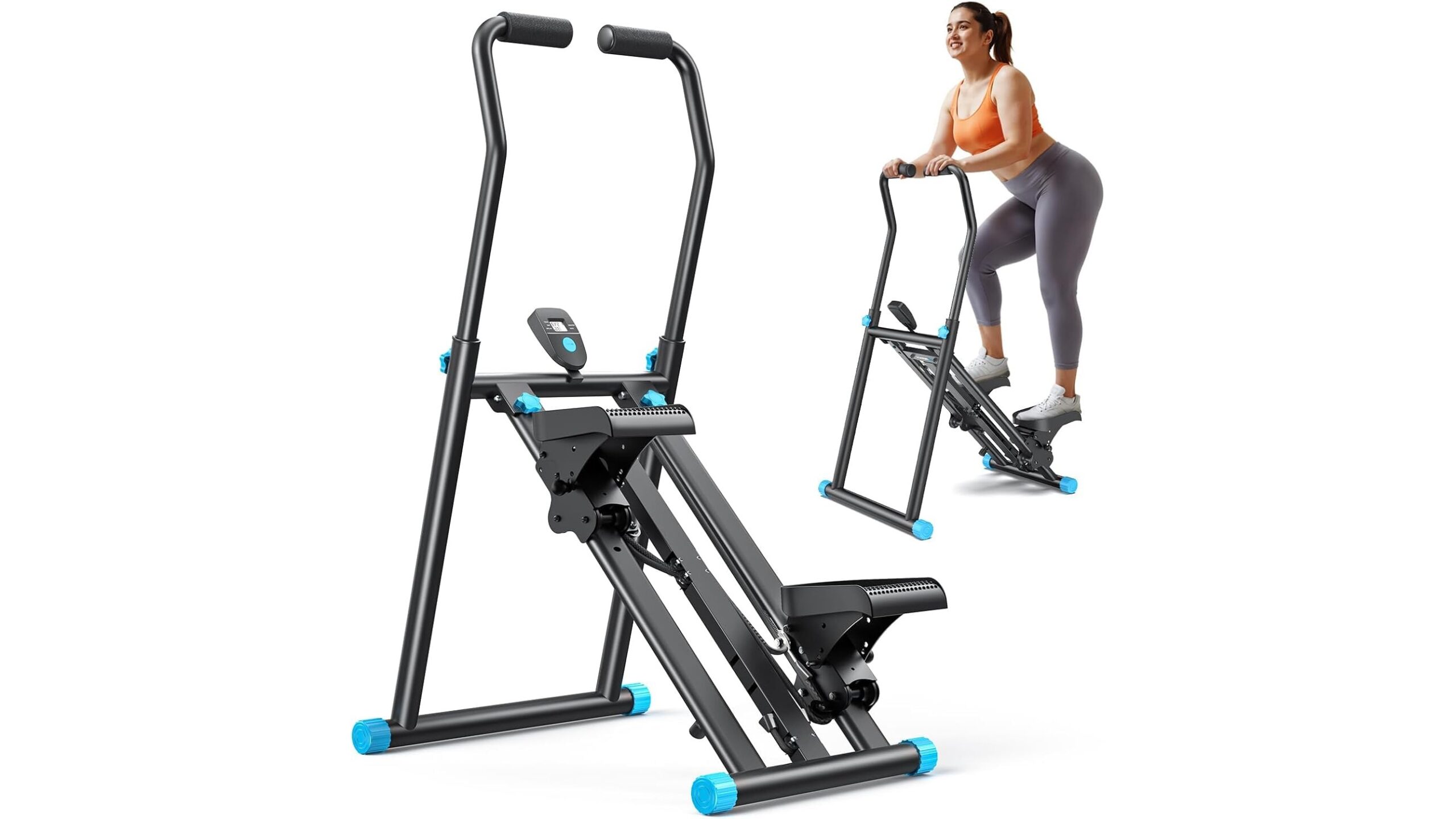
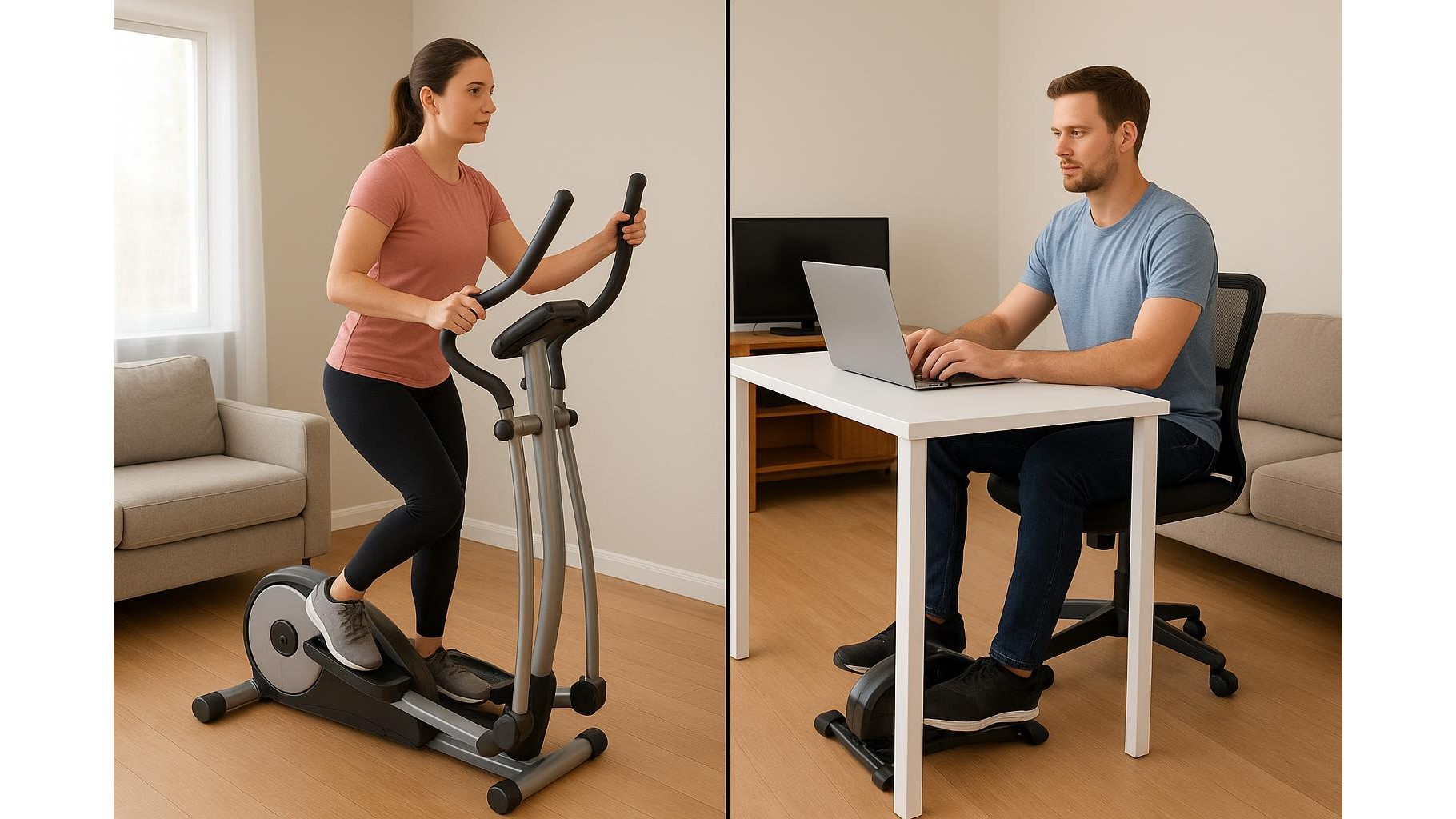
Full‑size ellipticals deliver a gym‑like feel but they are undeniably big. A typical home elliptical needs around 1.5–2 m in length, plus headroom for the rider, which can dominate a compact lounge or studio flat. They usually live in one spot and become a semi‑permanent piece of furniture. A mini cross trainer, by contrast, keeps the mechanism under your feet only, with no tall frame or handlebars. Many models are small enough to slide under a desk, sofa or TV unit when not in use, making them far easier to hide between sessions. If your living room is also your office, dining room and stretching area, the reduced footprint of a mini option is a major advantage, even if it can’t fully replicate the full‑body motion of an elliptical.
Noise levels and neighbour‑proof cardio
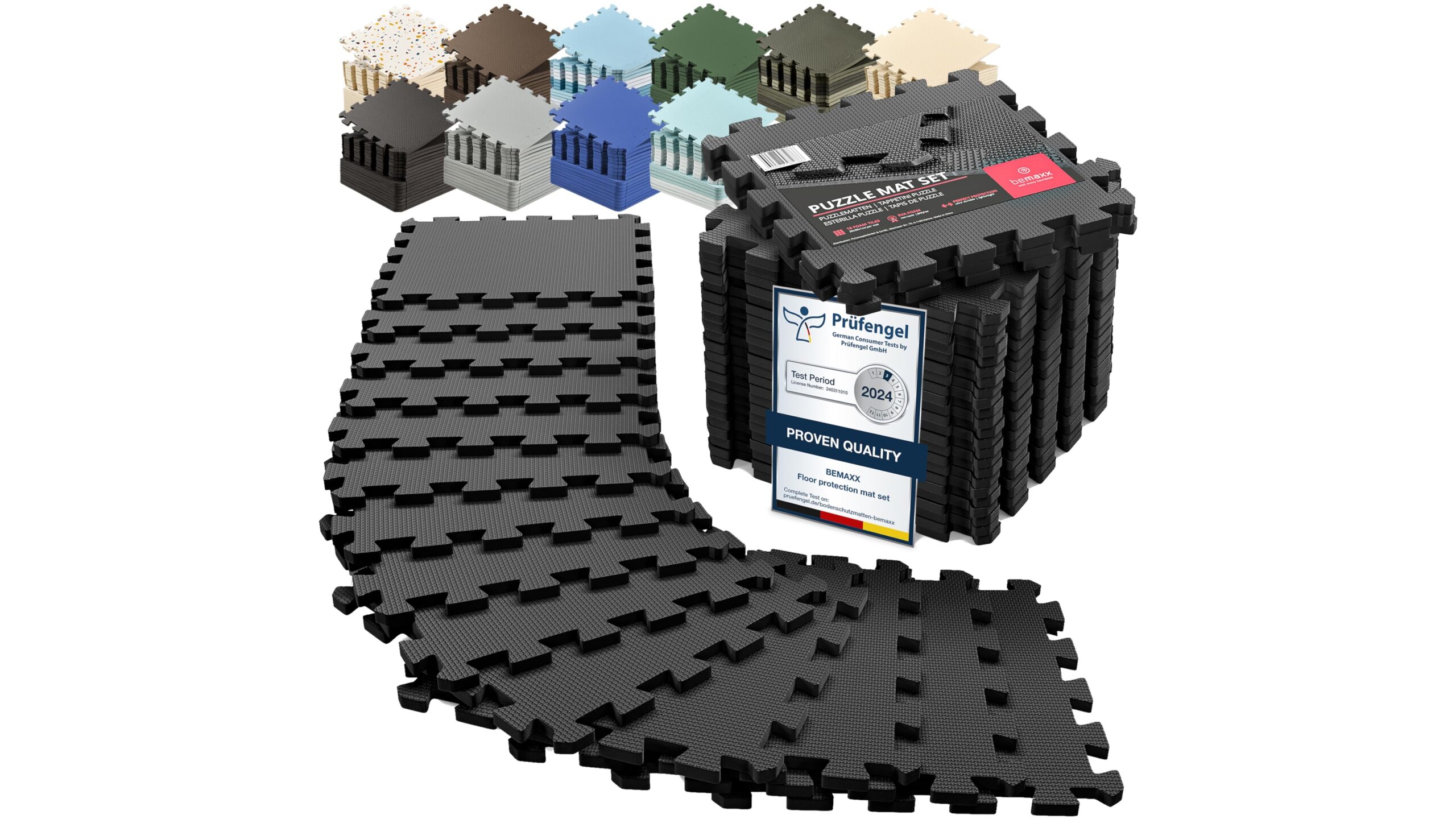
When you live in a flat, noise can make or break a home cardio setup. Full‑size ellipticals often use heavier flywheels and more substantial frames, which can help smooth out the motion and keep mechanical sounds low, but the combination of stride length and body weight can transmit vibration through the floor. Thicker mats help, yet late‑night sessions can still be noticeable downstairs. Mini cross trainers, on the other hand, generally have a shorter, shuffling motion that keeps impact and vibration down. Their lighter build can mean more mechanical whirring at high resistance, but because your upper body is not moving as much, overall disturbance often feels lower. If you plan to pedal while watching TV with family nearby, a compact trainer may integrate more quietly into shared living spaces.
Stride feel, comfort and joint impact
One of the main reasons people consider an elliptical vs mini cross trainer is joint comfort. A good full‑size elliptical offers a long, natural stride that mimics running without the impact, engaging glutes, hamstrings and quads through a smooth arc. Handlebars add an upper‑body push‑pull that can raise your heart rate while sharing the load across more muscles, which is ideal if you’re protecting knees or ankles. Mini cross trainers use a shorter, more circular motion under your feet. This can feel more like pedalling than striding, with less hip extension and glute involvement. It is still low‑impact and friendly for sensitive joints, but the feel is more compact and less immersive. If you love the sensation of a gym elliptical, a mini unit will be a compromise; if you just need comfortable movement while seated or standing, it can be more than enough.
Training goals: calorie burn vs movement snacks
Your training goals should heavily influence your choice. A full‑size elliptical is better suited to structured cardio workouts: interval sessions, steady‑state training, or specific time and heart‑rate targets. Because you recruit both upper and lower body and can stand tall with full range of motion, it is easier to hit higher intensities and substantial calorie burn. Mini cross trainers excel at the opposite end of the spectrum: gentle, frequent movement snacks. You can pedal while answering emails, gaming or watching a series, turning sedentary time into light activity. They are perfect if your priority is reducing sitting time and keeping your joints mobile, rather than chasing performance metrics. For weight loss or conditioning, an elliptical gives you more headroom; for all‑day movement and consistency, a mini trainer is often easier to stick with.
Practical setup, usability and motivation
Even the best cardio machine is useless if you never step on it. Full‑size ellipticals usually require more involved assembly, a dedicated spot and sometimes access to power for consoles and programs. Once in place, their stable platforms, built‑in screens and multiple resistance levels feel motivating and “serious”, which can encourage purposeful sessions. Mini cross trainers shine in pure practicality: carry them to the sofa, drop them under a standing desk or store them in a cupboard when guests arrive. Resistance is typically adjusted with a simple dial and there’s little to learn. The trade‑off is that the experience can feel more basic and less immersive. If you know you respond well to structured workouts and metrics, the elliptical’s format may keep you engaged; if you prefer effortless access and low friction, the mini option wins.
Which home cardio tool fits your living room?
If your priority is a full‑body, gym‑style workout with higher potential for progression, and you have a dedicated corner plus the budget, a full‑size elliptical trainer is the more powerful tool. It offers a natural stride, robust resistance and an engaging feel that supports ambitious fitness goals. If, however, you live in a compact flat, share space with family or housemates, or simply want to move more during everyday activities, a mini cross trainer is easier to accommodate and more likely to be used regularly. Ultimately, the best choice is the one that fits your room, your routine and your body: choose the machine you can leave ready to go and feel happy stepping onto (or pedalling) several times a week, and your living room will quietly become your most reliable home gym.