Blending work and movement sounds ideal, but the wrong desk bike chair can leave you sore, distracted, and less productive. Choosing a pedaling seat for your home office is not just about burning a few extra calories; it is about staying comfortable for hours, keeping good posture, and making sure the bike is quiet and adjustable enough to fit both your body and your workflow. In this guide, we break down the key features that make a desk exercise bike chair actually feel good to use day after day.
What makes a desk bike chair truly ergonomic
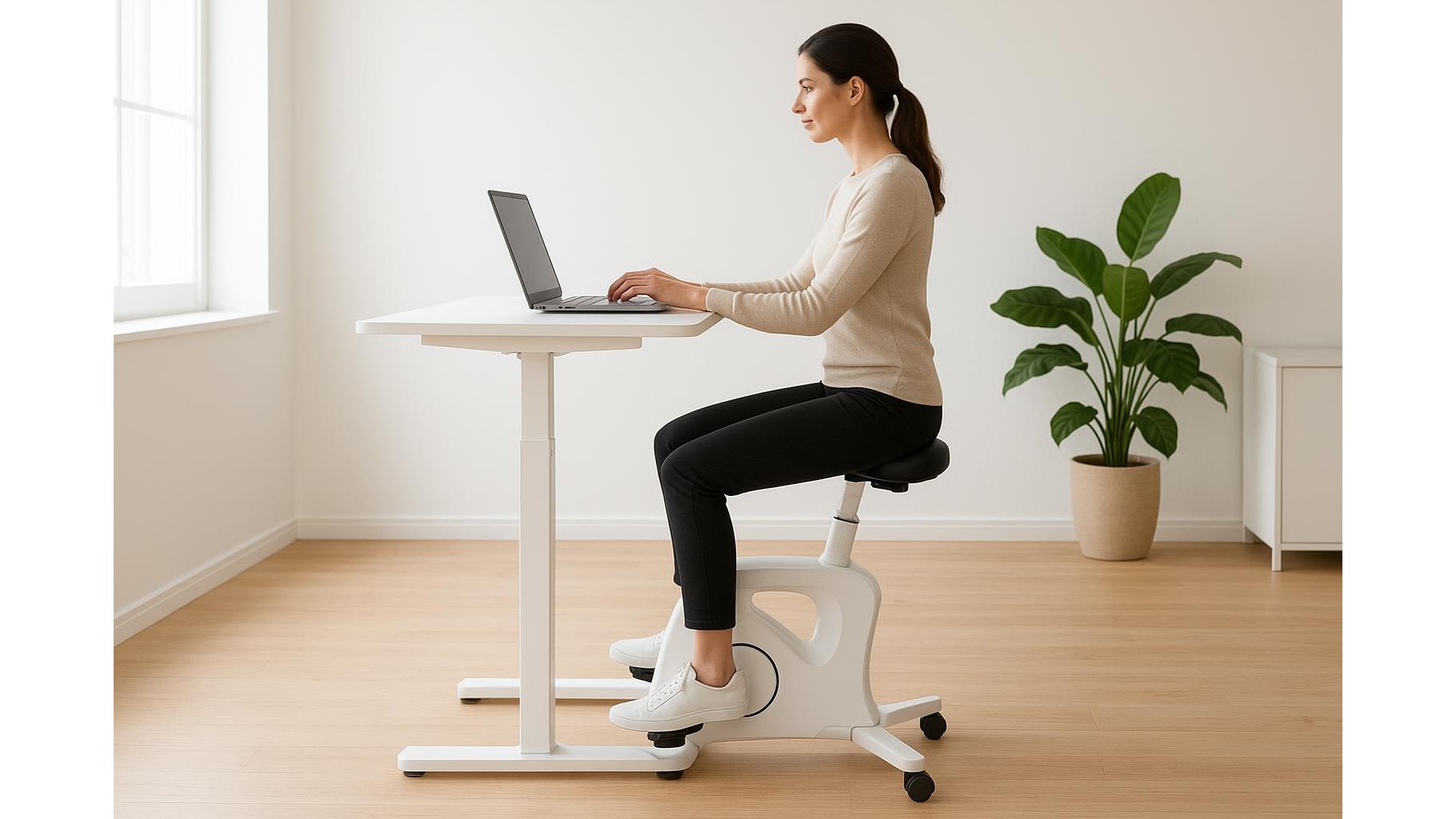
The core of a good desk bike chair is solid ergonomics. Look for a wide, padded saddle with enough cushioning to support your sit bones without feeling like a sofa. A well‑shaped seat helps you maintain a neutral pelvis and reduces pressure on your lower back. Ideally, the bike should offer a height‑adjustable seat so that when you pedal, your knees have a slight bend at the bottom of the stroke, preventing strain on the joints. Check that you can keep your hips stable without rocking side to side, and that the seat allows you to sit tall with your ribcage stacked over your hips, not slumped forward. An ergonomic backrest is a bonus, especially for longer work sessions, as it supports your lumbar curve while you type or take calls.
Resistance types, smooth pedaling and noise levels
To make your desk bike chair practical for real work, you need smooth resistance and low noise. Most home‑office friendly models use magnetic resistance, which is quieter and more consistent than friction pads. Aim for multiple resistance levels so you can switch from very light pedaling while you type to slightly heavier loads for short movement breaks. A well‑designed magnetic system should feel fluid, without jerky transitions or dead spots in the pedal stroke. Noise is critical: look for descriptions that highlight a “whisper‑quiet” or “low‑noise” flywheel, as this minimizes hum during video calls and keeps you from disturbing others at home. If possible, choose a bike with enclosed mechanics, which also helps dampen sound and keeps moving parts away from curious kids or pets.
Adjustability and fit for different body types
Even the best office bike chair will feel wrong if it does not fit your body. Prioritize models with multi‑point adjustability: at minimum, vertical seat height, and ideally some fore‑aft adjustment that lets you fine‑tune your distance from the pedals. This ensures your knees track comfortably over your feet, rather than flaring out or crunching under the desk. If the chair has a backrest, check whether it is adjustable or at least positioned to support the lower back instead of pushing your shoulders forward. Compact, foldable frames can be useful in tight home office spaces, but make sure the geometry still allows a natural leg extension. If more than one person will use the bike, wide adjustment ranges and clear height markers make it faster to switch between users without guesswork.
Structuring realistic movement breaks while you work
Owning a desk bike chair does not automatically fix a sedentary routine—you need a realistic strategy. Instead of pedaling hard all day, treat the bike as a way to sprinkle in light, frequent movement. For focus‑heavy tasks like writing or data analysis, use very low resistance, almost like a gentle fidget, to keep blood flowing without distracting you. For emails, calls or virtual meetings where you do not need to type constantly, bump the resistance up for 5–10 minute mini‑sessions. Think of it as an integrated active break rather than a full workout. Keep reminding yourself that the goal is consistency over intensity: regular low‑effort pedaling throughout the day does more for your health and comfort than the occasional all‑out session that leaves you too fatigued to sit properly afterwards.
Protecting your posture and avoiding common mistakes
The biggest risk with any desk exercise bike is sacrificing posture for movement. To avoid this, set up your workstation as you would with a normal ergonomic chair: your screen at eye level, keyboard close enough that your elbows stay near your sides, and wrists in a neutral position. If you find yourself leaning forward to reach the desk, the bike may be too low or too far from the work surface. Shorten your pedaling sessions when you notice form breaking down—slumping, poking your head forward, or hunching your shoulders. Use light resistance so that your upper body can relax while your legs move. Remember that a good home office bike chair supports both your spine and your work, not just your cardio. Combine it with occasional standing, simple stretches, and short walks to build a balanced, sustainable movement routine.
Choosing the right desk bike chair for your home office is about more than novelty; it is about comfort, alignment, and realistic daily habits. Focus on a supportive saddle, quiet magnetic resistance, and generous adjustability so the bike fits your body and your workspace. Then, build a rhythm of light, regular pedaling that enhances your focus instead of fighting it. With the right setup and expectations, a well‑chosen pedaling seat can turn long workdays into a more active, energising experience without wrecking your posture or productivity.