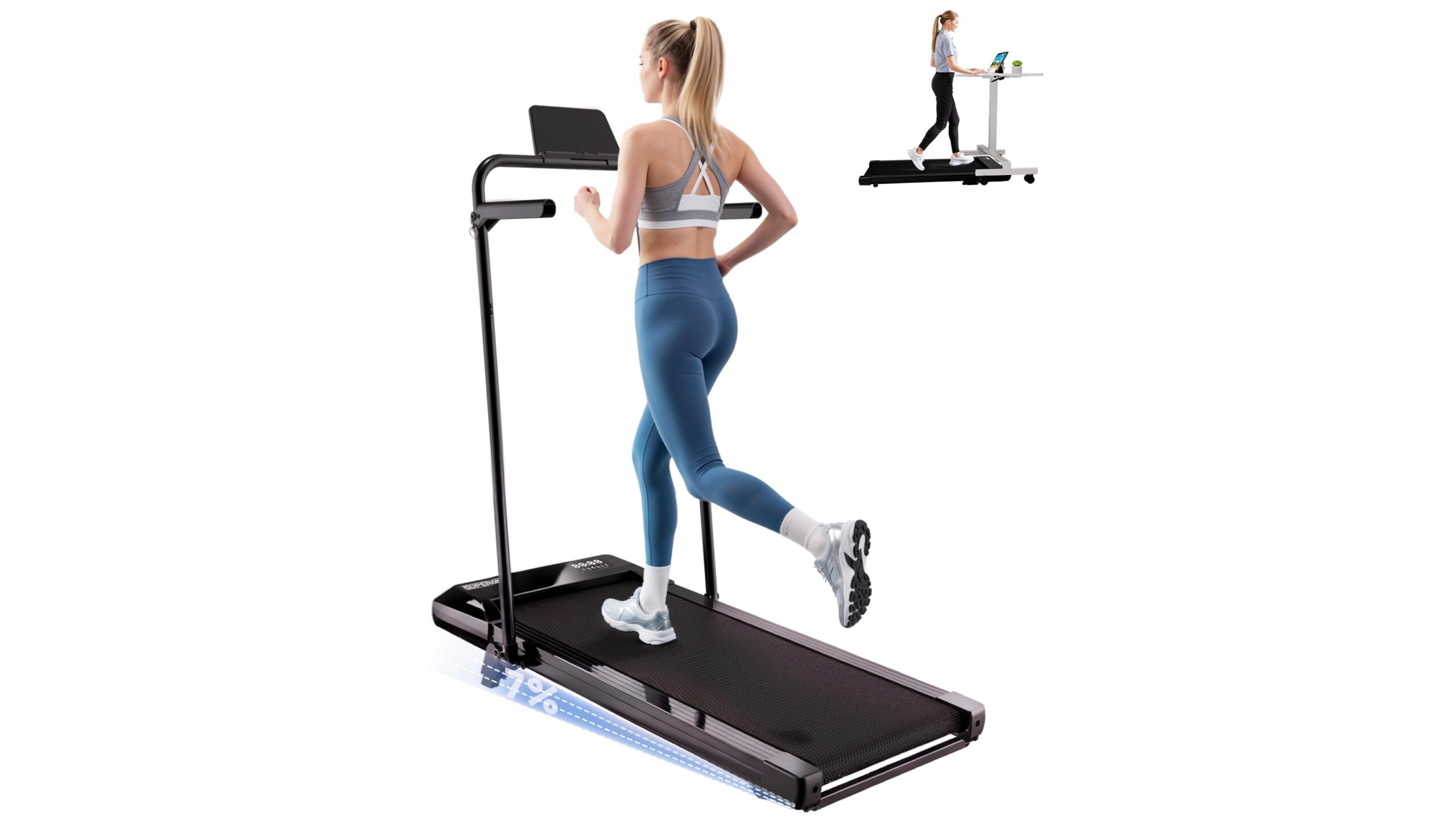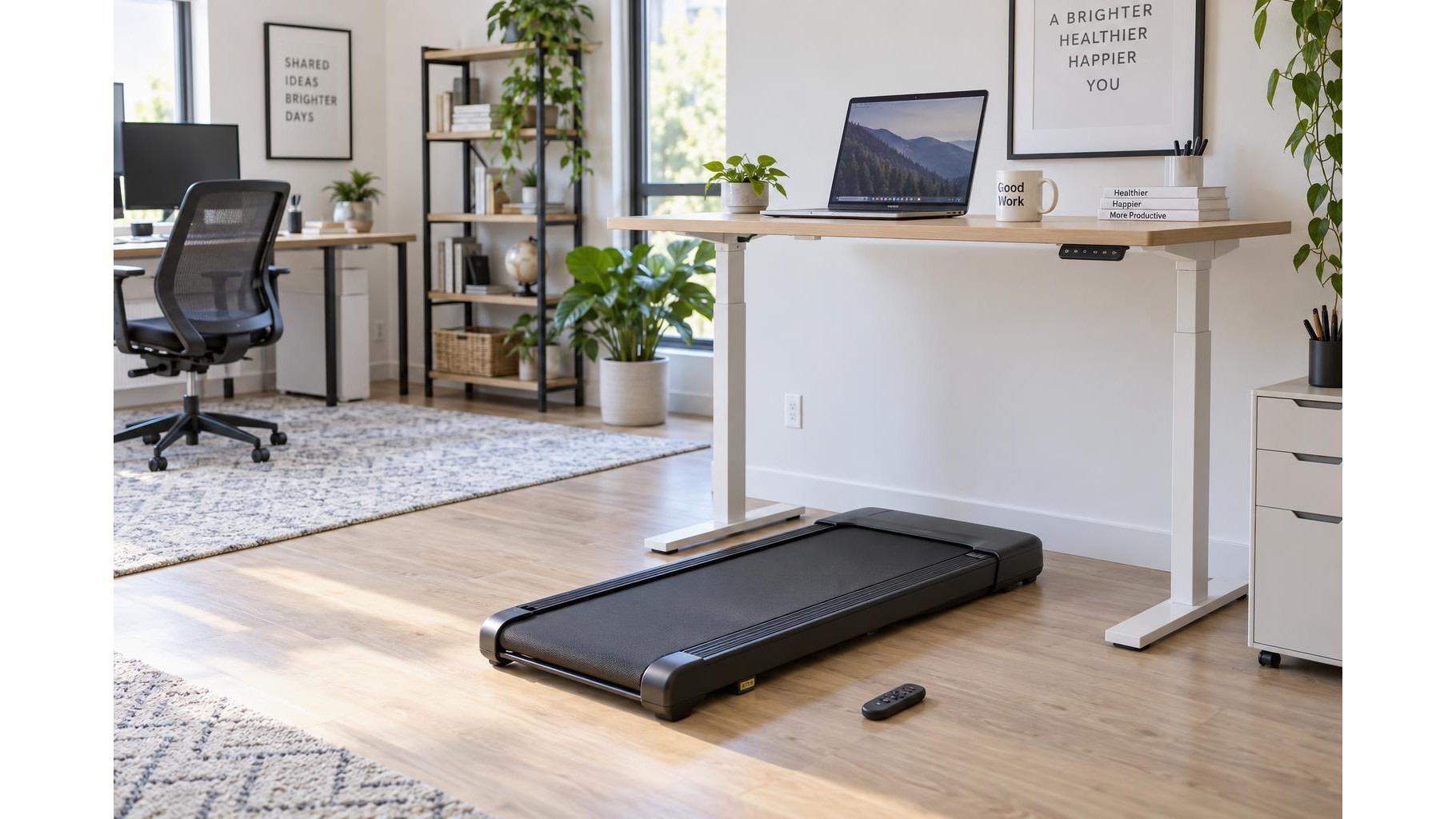
A compact walking pad can make it easier to add gentle movement to a workday without dedicating a room to exercise equipment. The best choice is not necessarily the one with the highest top speed or the smallest footprint: compare the usable walking area, stability, noise, controls and storage, then check that the machine suits the people and space that will share it.
Measure the usable belt, not just the frame
Product dimensions describe the whole machine, while the walking belt is the space your feet actually use. Check its length and width against your natural stride, height and intended pace. A shorter belt may be adequate for slow, careful walking, but can feel restrictive if you take longer steps or increase speed. Leave clear space around the pad as well, following the maker’s guidance for safe access and clearance. If possible, mark out the belt dimensions on the floor before buying; this makes the real footprint easier to judge in a crowded home office.
Match the speed range to gentle movement
For desk use, the usable low-speed range matters more than an impressive maximum. Look for a model that starts slowly and offers small, predictable adjustments, so you can find a pace that allows comfortable movement while working. A high top speed is not a substitute for a suitable walking pace, and walking while typing or concentrating may feel different from a dedicated workout. Check whether the speed display is easy to read and whether the controls let you change pace without interrupting your task. Begin at the lowest setting and increase gradually as you become familiar with the pad.
Assess stability and construction
A walking pad should feel secure underfoot, without unexpected rocking, shifting or excessive vibration. Compare the stated maximum user weight with a sensible margin for the intended user, and look for clear information about the frame, belt alignment and floor requirements. Reviews can help identify recurring concerns, but assess them alongside the manufacturer’s specifications rather than relying on star ratings alone. Place the unit on a level, firm surface and check that it does not move during use. If several people will use it, consider whether its dimensions and controls work comfortably for each person.
Consider noise and shared-room comfort
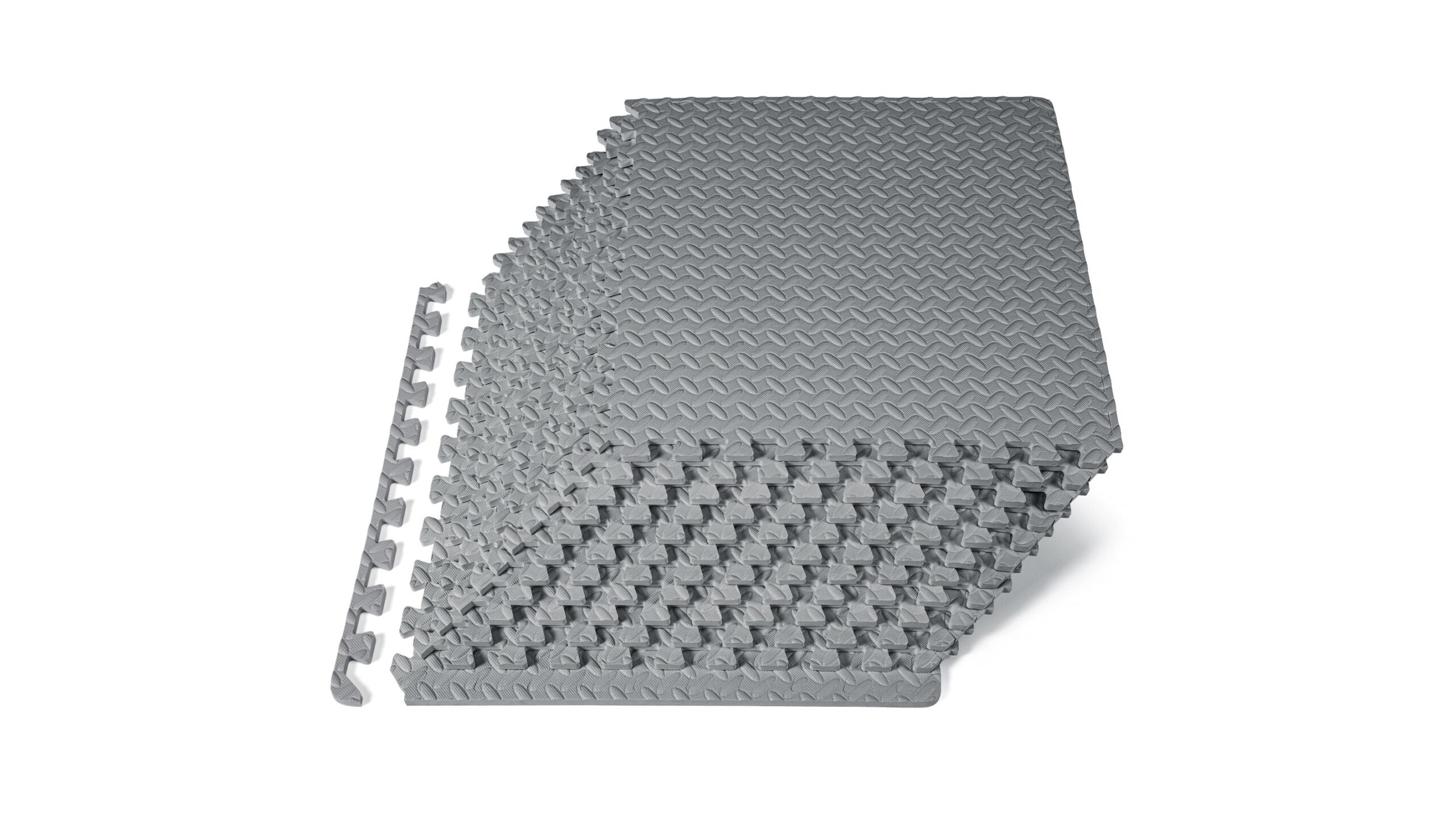
Noise depends on the motor, belt, floor and walking style, so a single decibel claim may not predict how disruptive a machine will be. In a shared room, listen for motor hum, belt noise and vibration transmitted through the floor. A suitable protective mat may help reduce vibration, provided it is compatible with the manufacturer’s instructions and does not make the pad unstable. Keep the device away from microphones, sleeping areas and neighbours’ walls where practical. If you take calls, check whether the sound is acceptable at the pace you expect to use.
Check controls, storage and safe setup
A remote control makes basic adjustments convenient, but verify that it is included, easy to operate and simple to keep within reach. Some models also offer app controls; these should be an optional convenience, not the only practical way to stop the machine. Check how the pad is stored, its weight and whether wheels or a suitable handle make moving it manageable. Before each session, inspect the cord and belt, clear obstacles, secure loose clothing and keep children and pets away. Use the machine on a stable surface, follow the manual, and stop if you feel unsteady or unwell.
Choose for the room and routine
Compare walking pads by usable belt area, comfortable low speeds, stable operation, tolerable noise and straightforward controls—not by headline specifications alone. Confirm storage dimensions and moving weight, and plan where the unit will sit and where it will go between sessions. A careful setup and gradual introduction are especially important in a shared home office. The right pad is the one that fits your stride, supports your intended gentle pace and can be used safely without disrupting the room.