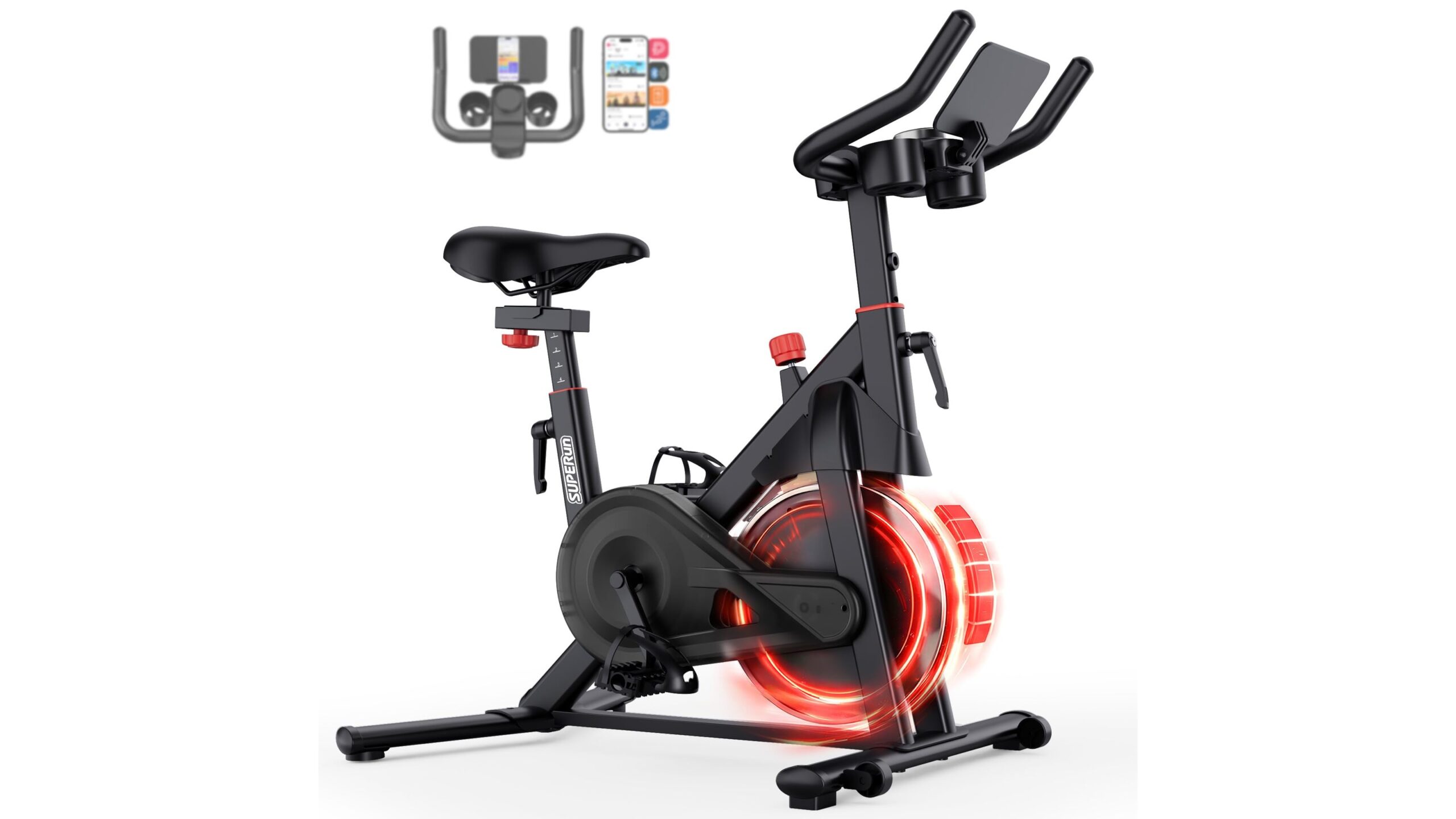
Keeping a compact spin bike in top condition is the secret to smooth, quiet home cardio. With a simple monthly routine, you can prevent squeaks, wobbling and resistance issues, and extend the life of your indoor bike. This checklist walks you through cleaning, belt and chain care, small adjustments and when it’s time to replace key parts, so every ride feels as good as new.
Table of contents
Daily and weekly cleaning for a smooth ride
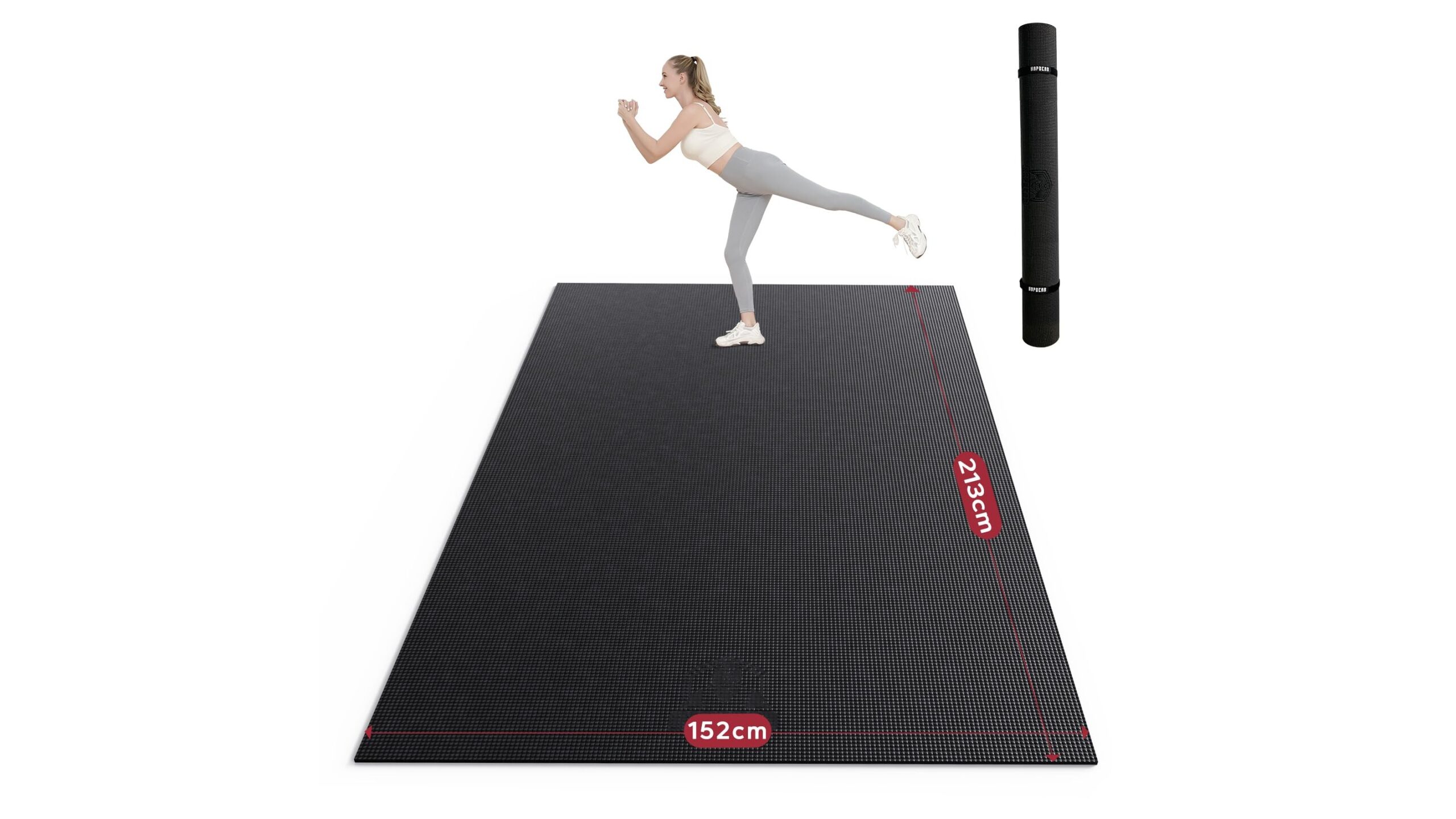
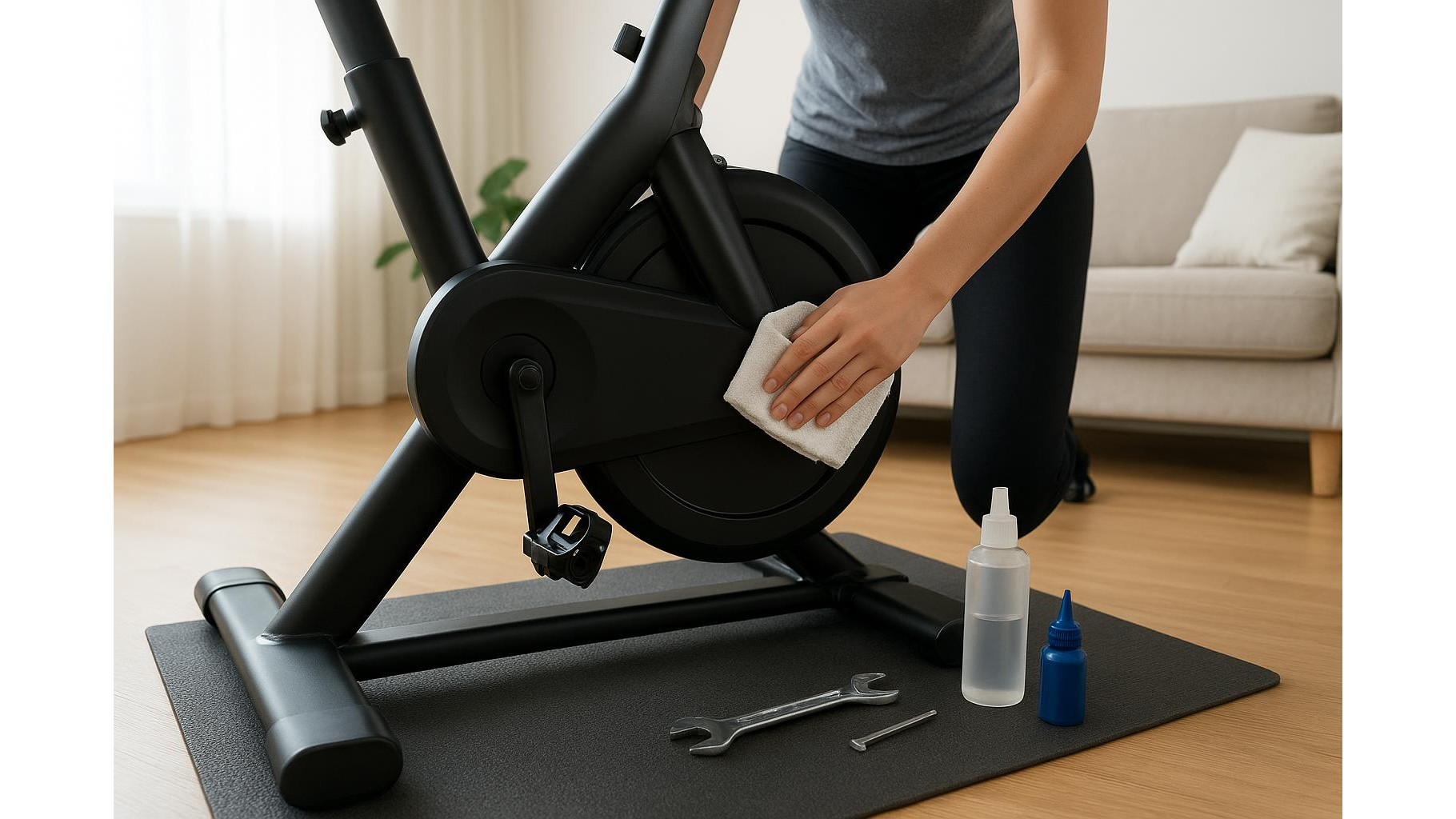
Sweat is the enemy of metal parts, paint and electronics, so your first maintenance habit is regular cleaning. After every workout, wipe the frame, handlebars and seat with a soft cloth and a mild, non‑abrasive cleaner. Pay special attention to the flywheel, resistance knob area and any exposed bolts where salt from sweat can build up and cause corrosion. Once a week, use a slightly damp cloth to clean the pedals, crank arms and stabiliser feet, then dry thoroughly. A simple floor mat under the bike protects both your flooring and the bike itself from moisture and dust.
Check bolts, stabilisers and seat adjustments
Most compact indoor bikes develop noise not from the drive system but from loose parts. Once a week, sit on the bike and rock it side to side; if you feel movement, tighten the front and rear stabiliser bolts. Check that the seat post, handlebar post and their adjustment knobs are firmly secured but not overtightened. Rattling sounds often come from loose bottle cages or console mounts, so gently test each accessory and snug it up with the appropriate Allen key or spanner. Keeping all contact points tight not only keeps the bike stable and quiet, it also prevents uneven wear on the frame over time.
Belt and chain drive care at home
Compact spin bikes usually use either a belt drive or a chain drive. Belt systems are low‑maintenance: you generally only need to keep the area clean and check tension every few months according to the manual. If the belt slips or feels jerky, it may need a small tension adjustment via the rear or side bolts that align the flywheel. Chain systems, similar to outdoor bikes, require periodic lubrication with a light bicycle chain oil. Wipe off dust, apply a small amount of lube to the chain while slowly turning the pedals, then wipe away excess to avoid drips. Avoid spraying heavy lubricants into the resistance area, as this can contaminate pads or magnets and affect performance.
Troubleshooting noise, squeaks and vibration
If your previously quiet bike starts making noise, work through a simple indoor bike troubleshooting checklist. Squeaks when you stand and pedal are often caused by dry pedal threads or cleats; remove the pedals periodically, apply a small amount of grease to the threads, and retighten. A rhythmic knocking may indicate a loose crank arm or worn bottom bracket that needs professional attention. High‑pitched squealing during resistance changes on pad‑based systems can sometimes be reduced by gently cleaning the flywheel surface and ensuring the felt or leather pad is dust‑free. Persistent vibration can be caused by an uneven floor, so adjust the levelling feet or reposition the bike onto a more stable surface or mat.
When to replace pads, pedals and other key parts
Even with perfect care, wear parts on a compact spin bike will eventually need replacement. Felt or leather resistance pads should be replaced when they become glazed, extremely thin or start to chatter against the flywheel despite cleaning. Pedal straps that crack, fray or stretch can compromise safety and should be swapped out promptly. If you notice play in the pedals, or if they no longer spin smoothly, consider upgrading to a robust set of indoor cycling pedals compatible with your shoes. Seats and handlebar grips can also flatten or tear over time; replacing them restores comfort and helps you maintain proper posture on longer rides.
Monthly inspection and safety check
Once a month, perform a fuller inspection of your home spin bike. Check the frame and welds for any visible cracks, inspect cables on models with consoles, and verify that the resistance system changes smoothly across the full range. Spin the flywheel by hand and listen for grinding or scraping. Test the emergency brake function if your bike has one, ensuring it can stop the flywheel quickly and reliably. Keep a simple log of what you checked and any adjustments made; this makes it easier to spot patterns, order parts in advance and keep your cardio sessions smooth, safe and quiet for years to come.
By following this compact spin bike maintenance checklist, you transform small, regular tasks into big gains in comfort, safety and performance. A few minutes of cleaning, tightening and inspection after your rides will dramatically reduce breakdowns, annoying noises and unexpected repair bills, letting you focus on what matters most: consistent, effective home workouts.