Living in a small flat or studio does not mean sacrificing effective cardio and back strength training. With smart, compact rowing solutions and space‑saving alternatives, you can still enjoy a full‑body workout that targets legs, core and upper body. Below we explore different foldable rowing machines, their resistance systems, noise levels and a few non‑traditional options that fit easily into tight spaces while keeping your training efficient and enjoyable.
Table of contents
Why rowing is ideal for small‑space home gyms
A rowing machine is one of the most efficient tools for a home gym, especially when square footage is limited. Rowing combines low‑impact cardio with strong engagement of the back, glutes, hamstrings and core, making it an excellent choice if you want one single piece of equipment to do it all. Many compact or folding rowers can be stored vertically or slid under a bed, freeing your living area once the workout is over. Compared with treadmills or bikes, rowers can be quieter and demand less permanent floor space, which is ideal for shared flats or upstairs apartments.
Compact magnetic rowers: smooth and quiet resistance
If noise is your main concern, a magnetic rowing machine is usually the best option. Magnetic resistance creates a smooth, consistent pull and is generally much quieter than air or water systems, making it suitable for early‑morning workouts or late‑night sessions in thin‑walled buildings. Many compact magnetic rowers offer foldable frames with built‑in wheels so you can tip them up and roll them into a corner or cupboard after use. Look for adjustable resistance levels so you can progress your training, a comfortable seat and footrests, and a simple console that tracks time, distance and stroke rate without adding bulk.
Foldable air and water rowers for realistic feel
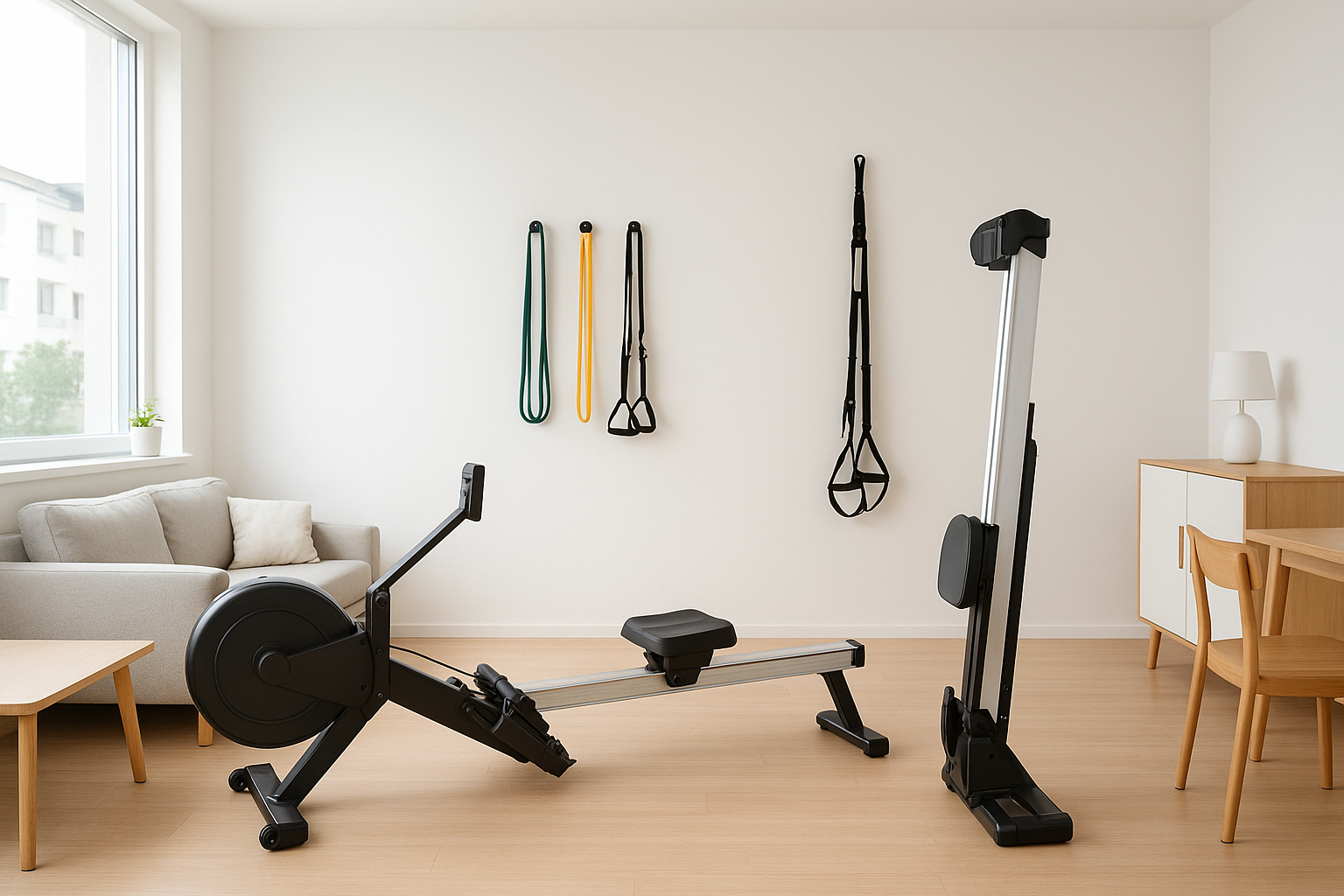
For those who crave a more realistic on‑water rowing sensation, air rowers and water rowers are strong candidates, even in compact homes. Air rowers respond dynamically to your stroke power, which is ideal for interval training and building cardio capacity, though the fan can be louder than magnetic systems. Water rowers use a tank and paddles to mimic the drag of real rowing, offering a smooth, rhythmic feel that many find meditative. While some water and air models are bulkier, there are designs that stand upright when not in use, reducing their footprint to the size of a tall bookshelf and allowing you to keep high‑quality resistance without dedicating a full room to your gym.
Alternative compact tools to build cardio and back strength
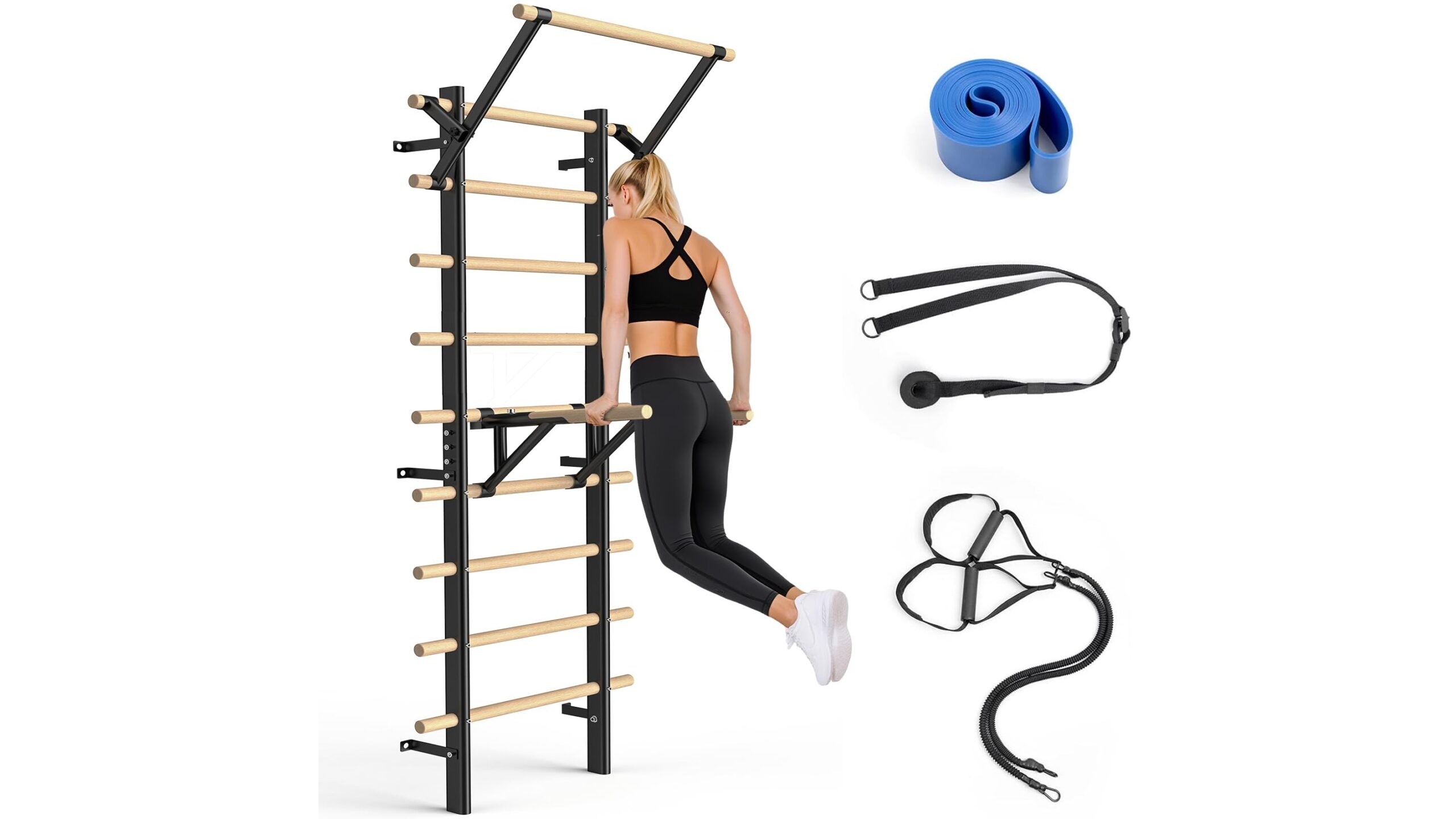
If a full rowing machine will not fit your home, there are clever alternatives that still target cardio and back strength. Resistance bands with door anchors can replicate rowing patterns in a tiny space, letting you perform seated or standing rows to strengthen your lats and rear delts. A compact ski trainer or mini stepper can provide intense cardio in a footprint smaller than a mat, while adjustable dumbbells or a suspension trainer allow you to perform bent‑over rows and inverted rows using only a doorway or ceiling hook. These tools are ultra‑portable, easy to store in a wardrobe or under a sofa, and can be combined to build a versatile, minimalist home gym.
How to choose the right compact rower for your space
When choosing the best compact rowing machine or alternative, start by measuring your available training zone and storage area. Check the rower’s folded dimensions and whether it can be stored vertically, as this dramatically changes how it fits into hallways or behind doors. Consider your noise tolerance and that of your neighbours: pick magnetic resistance if quiet operation is critical, or opt for air or water if you prioritise rowing feel over silence. Evaluate your fitness goals too: steady‑state cardio, interval training or primarily back conditioning. Finally, look for build quality, user weight limits and a comfortable handle and seat so you can train consistently without discomfort.
Building a balanced small‑space rowing routine
Once you have chosen your foldable rower or compact alternative, focus on building a sustainable routine that fits your lifestyle. Aim for three to five sessions per week of 20–30 minutes, mixing steady cardio rows with short intervals to challenge your heart and lungs. Combine rowing with simple bodyweight exercises such as planks, glute bridges and push‑ups to balance front‑ and back‑body strength. Remember that technique matters: maintain a neutral spine, drive through the legs first and follow with the hips and arms to protect your lower back. With smart planning, even a very small home can support an effective, full‑body training setup that keeps you strong, conditioned and ready for everyday life.
In summary, compact rowing options and clever alternatives make it entirely possible to build serious cardio and back strength in a tight living space. Whether you choose a quiet magnetic rower, a foldable air or water model, or a minimalist kit of bands and suspension trainers, the key is matching resistance type, noise level and storage style to your home. By measuring carefully, prioritising build quality and planning a balanced routine, you can turn even the smallest flat into a highly effective home gym without sacrificing comfort or floor space.