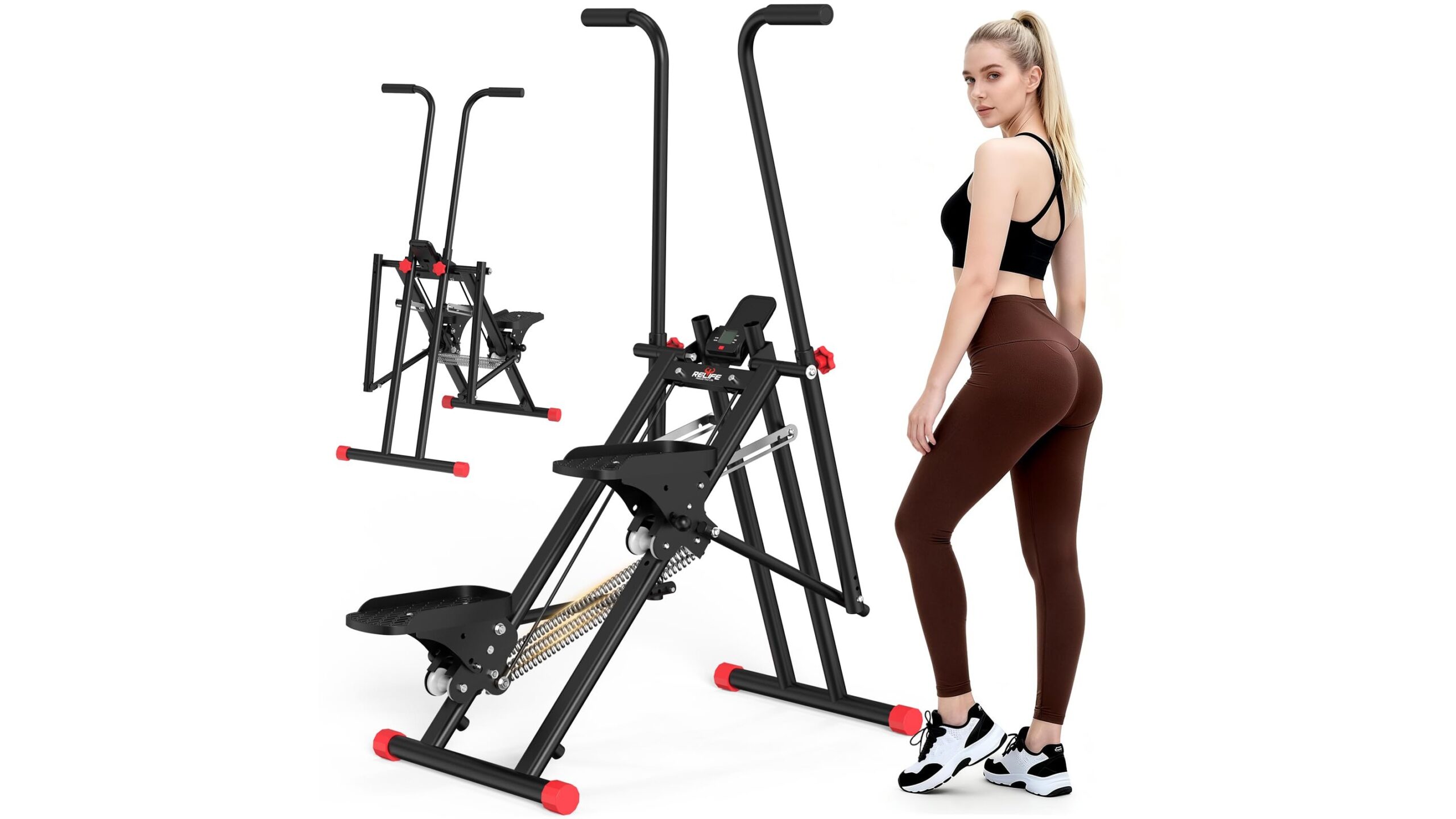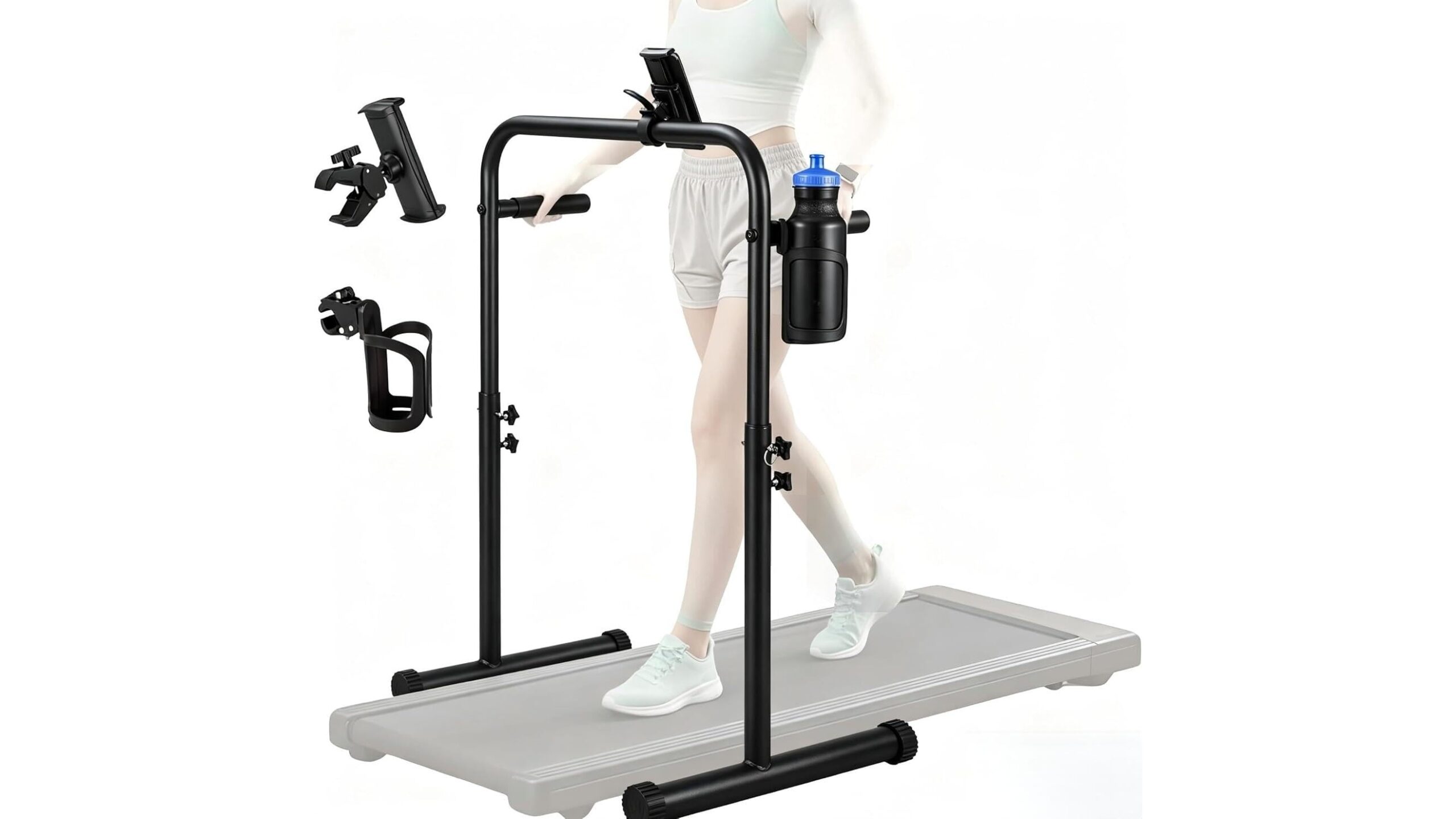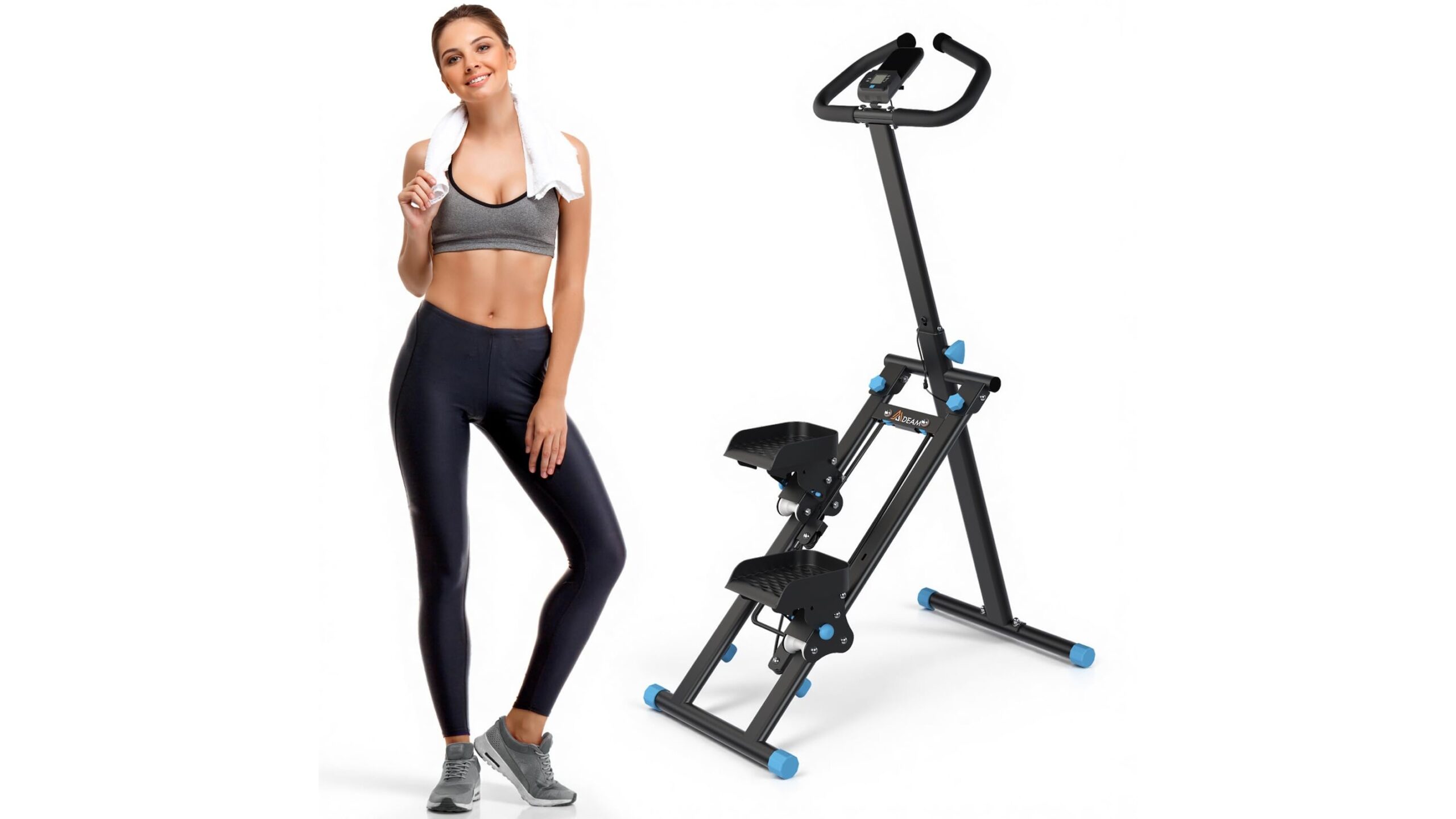
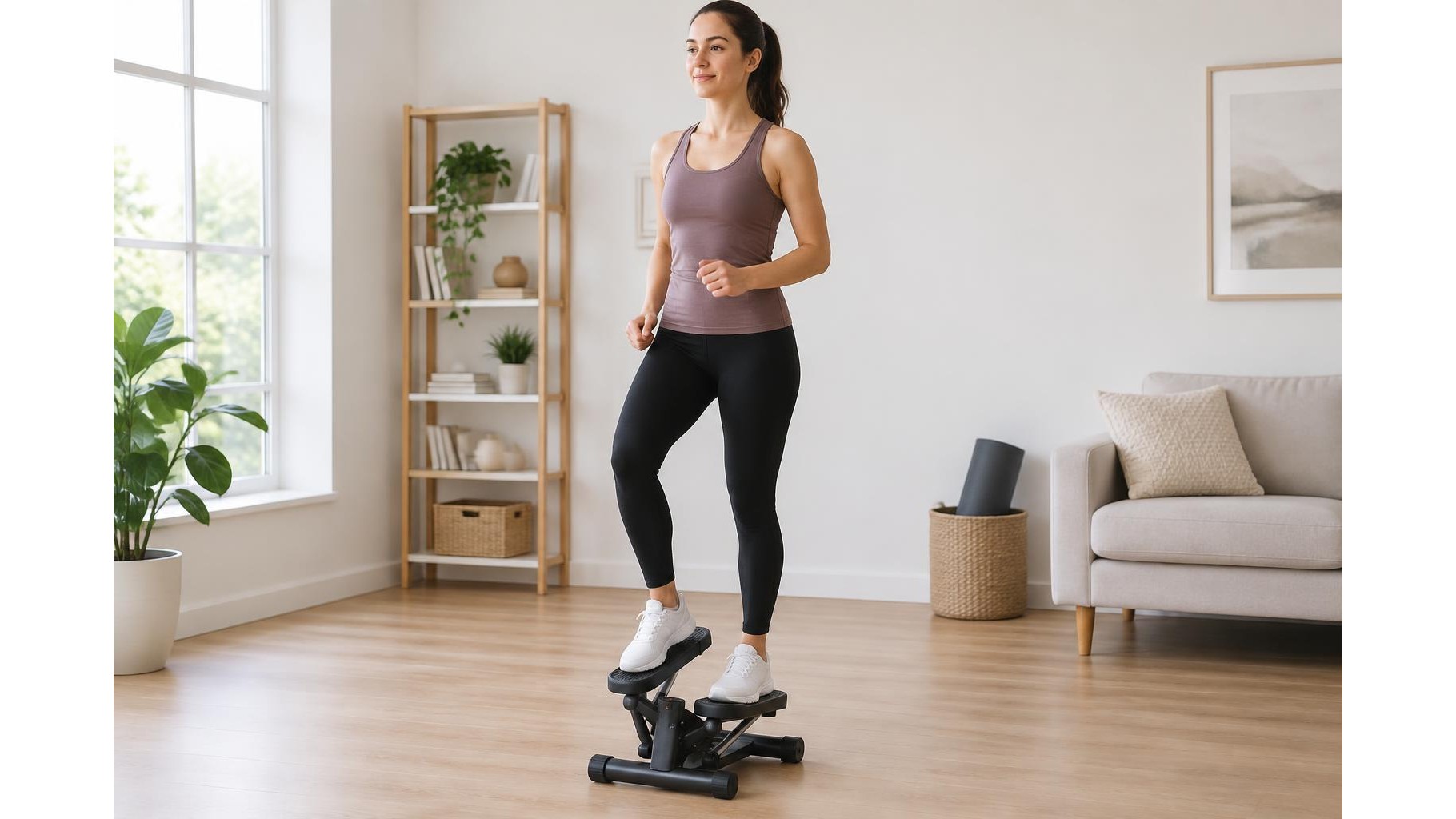
A home stepper can deliver a useful cardiovascular workout in a small space, but building endurance is not about stepping as fast as possible. Controlled intervals alternate manageable periods of effort with easier recovery, helping beginners establish a routine and giving experienced exercisers a simple way to vary intensity. Use a stable, level surface, check the machine’s instructions, and keep your first sessions deliberately comfortable.
Start with a gradual warm-up
Begin with five to eight minutes of easy stepping. Use a short, comfortable stride and a pace that lets you speak in full sentences. If your stepper has adjustable resistance, start low; otherwise, control intensity through cadence and range of motion. Let your breathing and legs settle into a rhythm before increasing effort. Finish the warm-up with a minute of slightly brisker stepping, then ease back briefly before the first work interval. Stop if you feel pain, dizziness, or unusual shortness of breath.
Choose beginner-friendly intervals
For a first interval session, try six rounds of 30 seconds of purposeful stepping followed by 90 seconds of very easy movement or standing recovery. This 1:3 work-to-recovery ratio gives you time to regain comfortable breathing while practising a steady effort. Keep the work period at about 4–5 out of 10 on a perceived-effort scale: noticeable, but not a sprint. If 30 seconds feels too challenging, shorten it to 20 seconds or use a slower pace. The aim is to complete every round with similar control.
Build an intermediate session
Once you can finish beginner intervals without your technique deteriorating, progress to eight rounds of one minute of work and one minute of easy recovery. This 1:1 ratio increases the total time spent working while keeping recovery predictable. Aim for around 6–7 out of 10 effort: breathing is deeper, but you can still say a short phrase. Another option is six rounds of 90 seconds on and 90 seconds easy. Choose one format for a session rather than stacking several challenging interval blocks together.
Keep posture and effort under control
Stand tall with your head level, shoulders relaxed, and ribs comfortably over your hips. Keep your knees tracking in line with your toes and press through the whole foot rather than bouncing on your toes. If the machine has handles, use them lightly for balance instead of leaning your body weight onto them. Maintain a smooth, repeatable step; shorten the stride or slow down when form slips. A simple effort check is the talk test: during recovery, breathing should settle enough for easy conversation before the next round begins.
Progress gradually and plan recovery
Start with two stepper workouts per week, separated by at least one easier day. If you recover well for a couple of weeks, add a third session or increase the work time slightly—not both at once. For example, move from six to seven rounds, or add 10–15 seconds to each work interval while keeping recovery unchanged. Keep most sessions moderate, and leave space for rest or other low-impact activity. Record rounds, effort, and how you felt afterward; repeated sessions should feel sustainable, not like tests of willpower.
In short, a consistent compact stepper workout depends on an easy warm-up, clear work-and-recovery intervals, sound posture, and gradual progression. Begin with generous recovery, use effort you can control, and choose a weekly frequency that fits your schedule and recovery. As endurance improves, extend intervals in small steps while keeping movement smooth. That measured approach can help make home stepping a practical part of a lasting fitness routine.