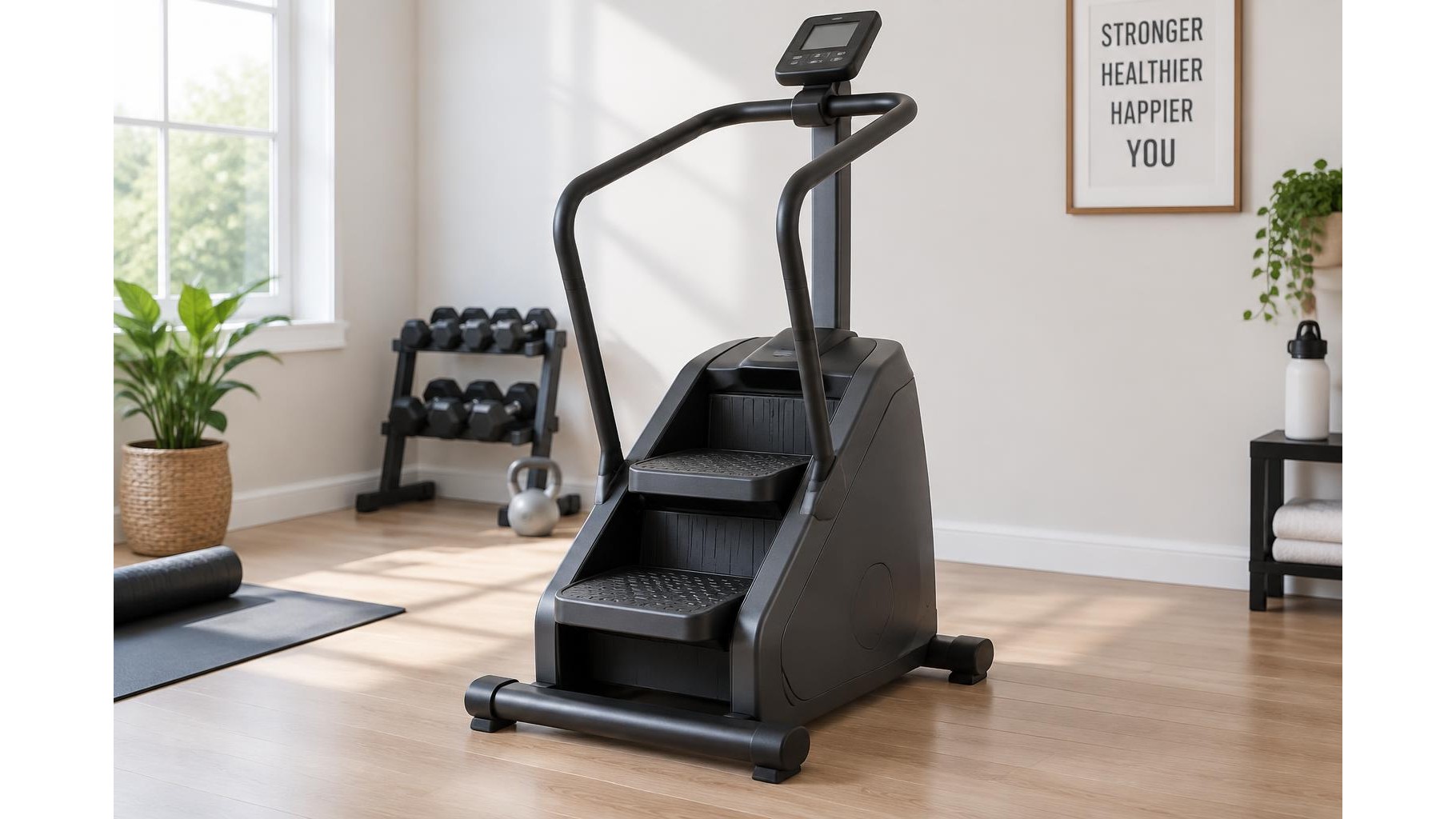
A compact stair climber can make regular cardio easier to fit into a busy home, but a small footprint alone does not guarantee a comfortable or effective workout. Pedal travel, cadence, resistance controls and frame design all influence how the machine feels underfoot. Before choosing one for steady sessions or intervals, compare its movement and stability with your height, training goals and available space.
Understand step height and pedal travel
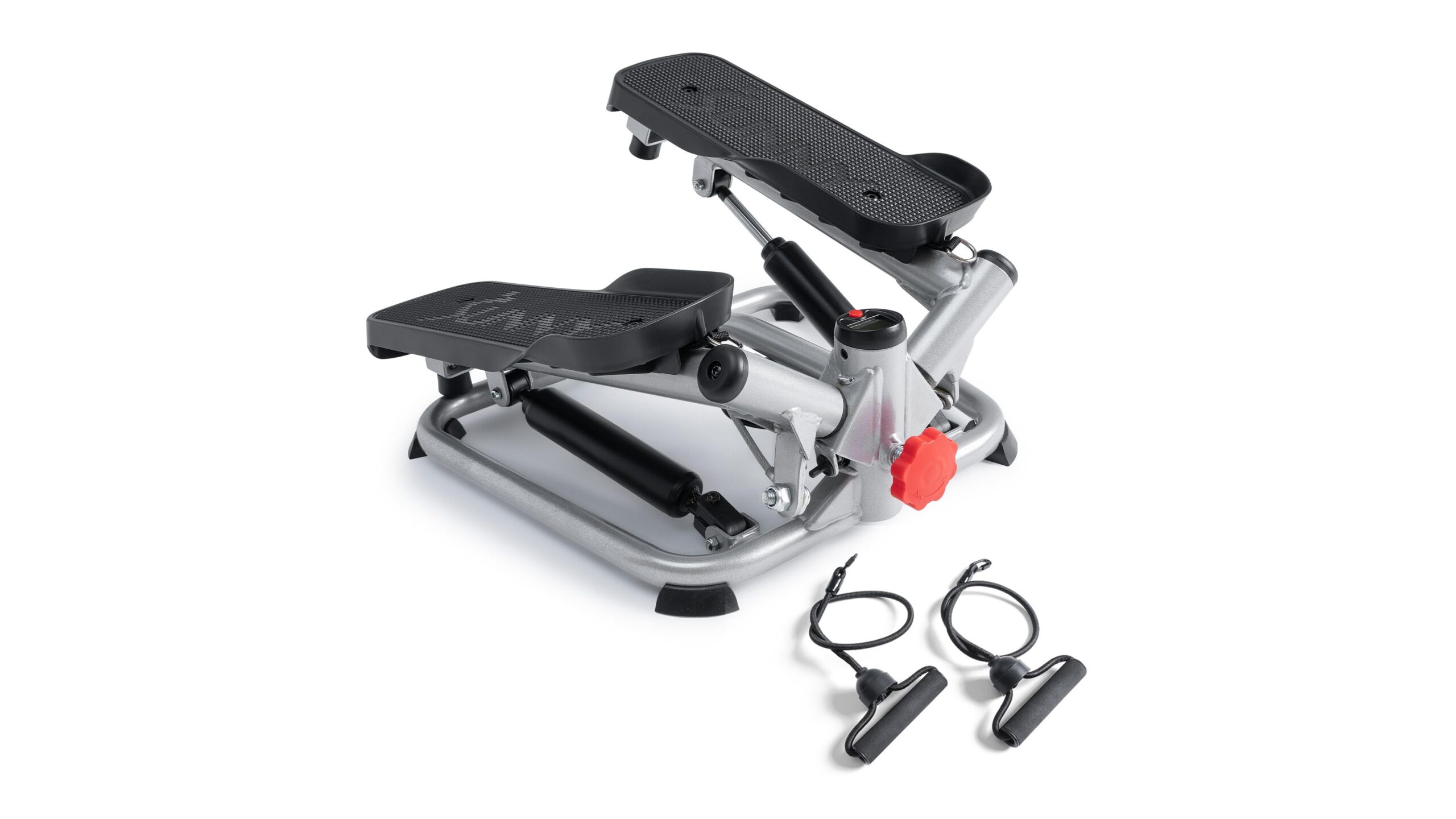
Step height describes how far the pedals rise and fall; pedal travel is the overall movement available through each stroke. A short stroke can suit gentle, low-impact movement and compact frames, but it may feel more like quick stepping than climbing. A deeper stroke can create a stronger stair-climbing sensation, though it may demand more hip and knee movement. Look for clear specifications, and consider whether the range is adjustable. If measurements are missing, do not assume that a machine’s footprint or appearance reveals its effective step. Check whether the pedal path feels natural at your stride and whether your feet remain supported throughout the movement.
Compare cadence and workout feel
Cadence is the rate of stepping, often expressed as steps per minute. A machine with limited travel may encourage a fast rhythm, while a longer stroke can make a slower pace feel more substantial. For steady cardio, prioritise smooth, repeatable movement that lets you maintain a conversational effort. For intervals, consider whether you can change pace quickly without losing balance or bouncing against the end of the pedal stroke. Displayed cadence figures can help track consistency, but they are most useful when the machine measures steps reliably. If there is no cadence display, use a timer and a repeatable effort level to compare sessions.
Assess frame stability before buying
A stable climber should remain planted as you step, rather than rocking, twisting or creeping across the floor. Check the frame construction, base width, feet and any stated floor-clearance requirements. A wider base may improve confidence but can take up more space, so compare the assembled dimensions with your workout area. Pay attention to the connection between the pedals and frame: excessive side-to-side play can make faster efforts feel less controlled. Use a firm, level surface, and follow the manufacturer’s guidance on floor protection. Handholds, if supplied, can help with balance, but they should not be treated as a substitute for a secure frame or used to pull yourself through every step.
Check resistance controls and adjustability
Resistance controls determine how easily you can vary effort. Some compact steppers rely mainly on the user’s pace; others provide a resistance adjustment. Confirm how the setting changes, whether it can be reached safely during a session and whether the adjustment is intended for gradual changes or broad intensity levels. For interval training, quick and predictable changes are more useful than a control that requires stopping and dismounting. Resistance should complement pedal travel, not conceal an awkward range of motion. Read the instructions for any maintenance or warm-up requirements, as friction-based mechanisms may feel different as they heat up.
Verify user-weight limits and practical fit
Always compare the stated maximum user weight with your needs, leaving a sensible margin rather than choosing a model at its limit. A higher rating does not by itself prove better stability, so assess the frame and movement as well. Check assembled size, storage requirements, noise expectations and whether the machine needs periodic tightening or lubrication. If possible, test the stepping action in person; otherwise, review the specifications and return terms carefully. A compact unit should fit both your room and your natural stride, not just the space beneath a desk.
In summary, choose a home stair climber by matching step height and pedal travel to a comfortable stride, then assess cadence, resistance and frame stability for the sessions you plan to do. Confirm the weight limit, dimensions and maintenance requirements before purchase. The best compact option is the one that feels controlled at your intended pace and fits your space without compromising safe, repeatable movement.