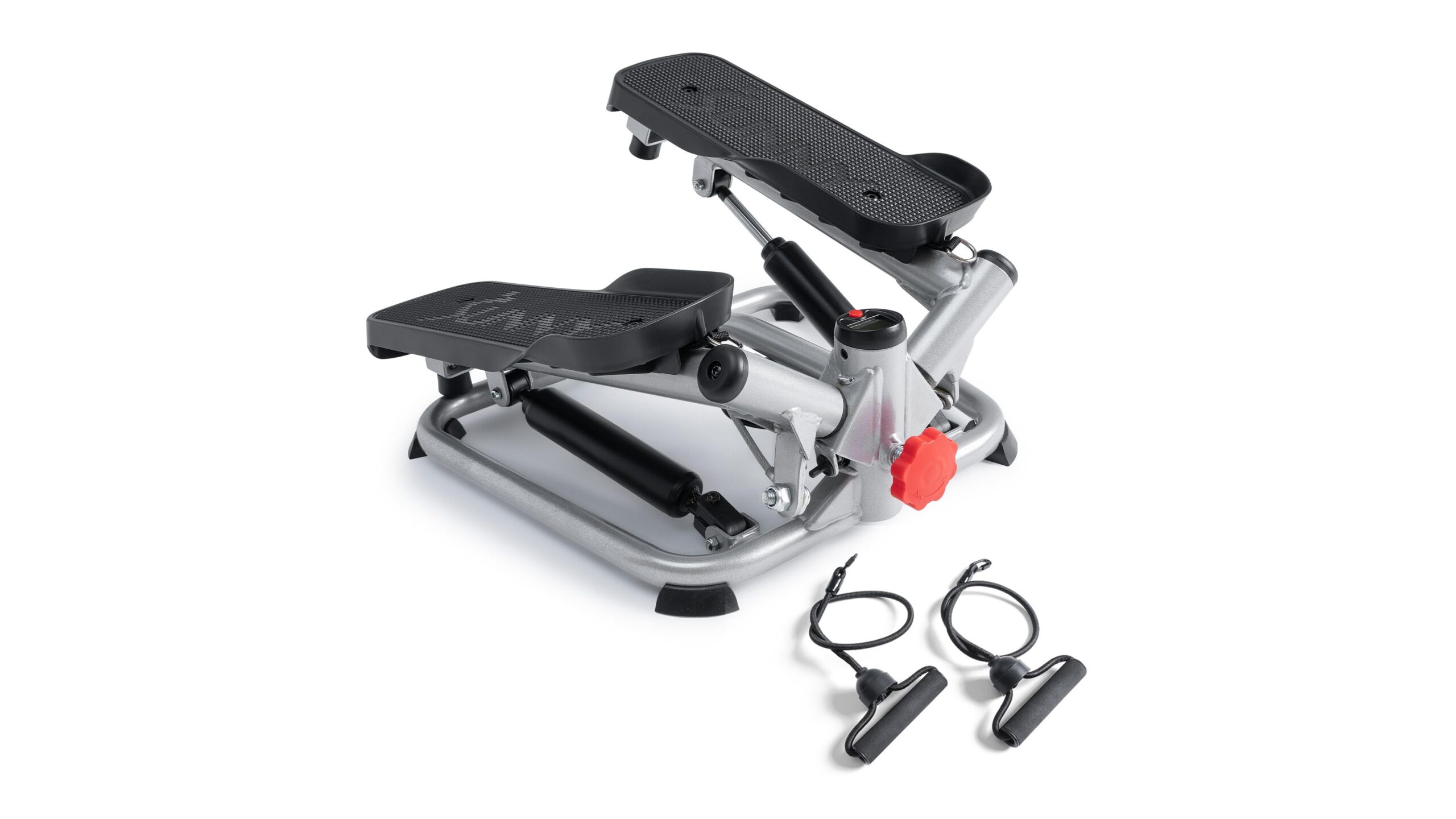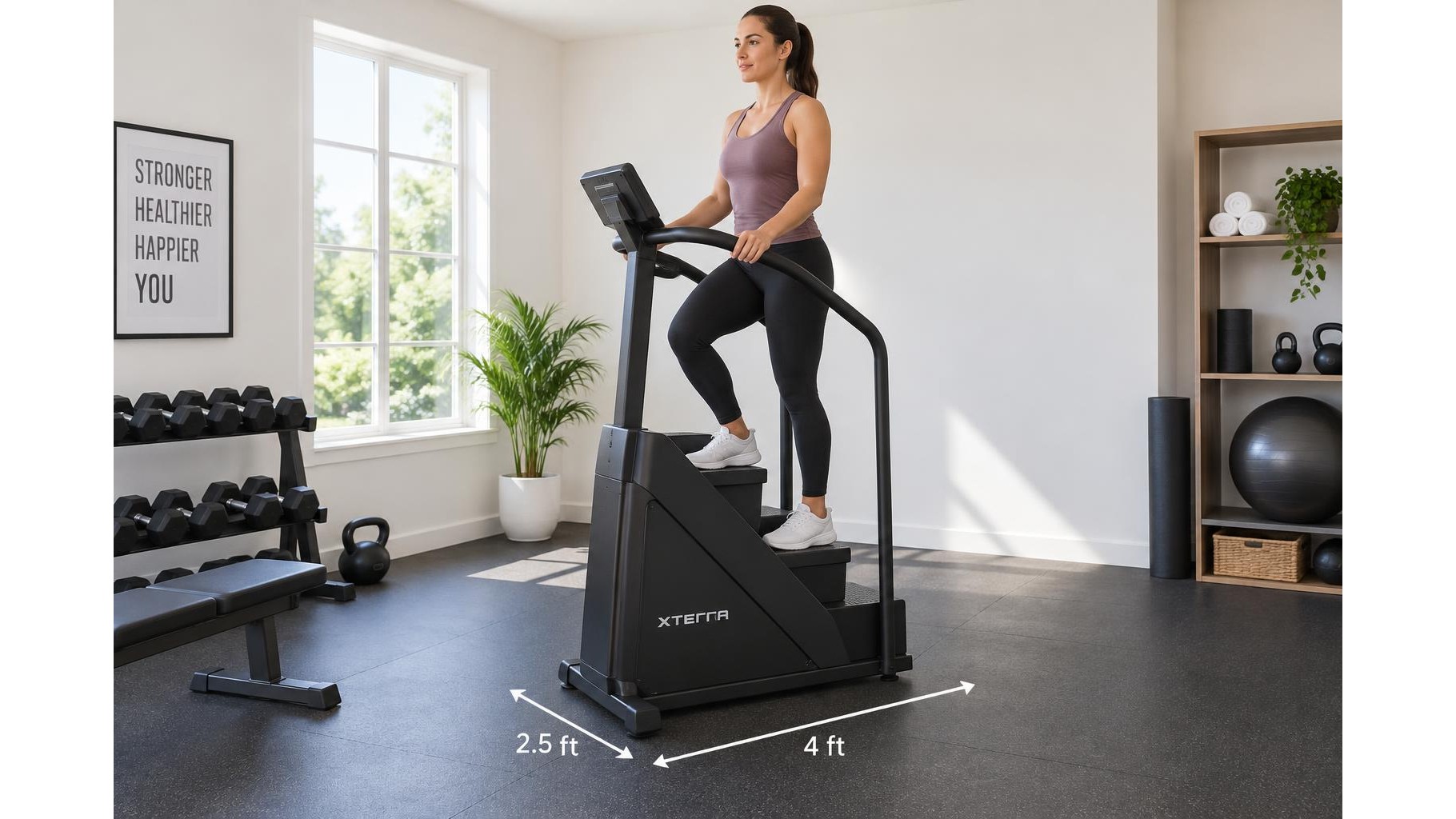
A compact stair climber can add a demanding cardio session to a small home gym, but its footprint is only part of the fit. The depth of the pedals, the position of the handrails and the machine’s stride mechanics all influence how comfortably you can move—and how much effort each step requires. A few simple checks can help you compare models and choose one that suits your body and space.
Pedal depth and secure footing
Pedal depth determines how much of your foot is supported as you climb. If a platform is too short for your shoe, your heel may hang over the edge; if it is too narrow, your foot can feel cramped. Either issue may encourage you to grip the rails tightly or alter your stepping pattern. Check the manufacturer’s stated pedal dimensions, and compare them with the length and width of the footwear you expect to use. When possible, try the machine in person: place your foot naturally on the pedal, keeping enough room for a stable stance without forcing your toes against the front. A textured surface and raised edges can also help your feet feel planted, though they do not replace careful positioning.
Handrail placement and posture
Handrails should support balance without dictating your posture. Rails that are too close, too far forward or set at an unsuitable height may make you hunch, reach or lean your weight onto your arms. Look for a position that lets you stand upright with relaxed shoulders and softly bent elbows. If the model has multiple grip points, check that each feels secure and natural during movement. The rails are primarily for balance, not to pull your body upward; relying heavily on them can reduce the work done by your legs and change the intended effort. Make sure the handles do not obstruct your knees or interfere with your natural arm swing.
Stride mechanics and movement feel
Compact machines can use different pedal paths and resistance systems, so the same step count does not guarantee the same workout feel. Some designs encourage a short, rapid stepping action, while others allow a more deliberate stroke. Pay attention to the range of motion: a stride that feels too shallow may become a quick shuffle, while an overly long or stiff movement may strain your hips or knees. During a test, begin slowly and notice whether both pedals move smoothly and evenly. Your knees should track comfortably in line with your feet, without twisting or locking at the top of each step. Resistance should feel controlled rather than jerky.
Fit checks before you buy
Check more than your standing height. Confirm the climber’s maximum user weight, pedal dimensions, handrail height and any stated user-height guidance. Then measure the available floor area, including room to step on and off safely. Allow extra clearance around the machine rather than choosing a space that fits only its listed footprint. Check the unit’s folded or stored dimensions if it will be moved after each workout, and consider its weight, transport wheels and the floor surface. A stable, level setup helps prevent rocking and makes stepping feel more predictable.
Comparing models and setting up
Compare machines using the same checklist: pedal depth and width, rail position, stride range, resistance adjustment, stability, noise and storage requirements. Look for clear specifications rather than assuming that a larger display or more resistance levels mean a better fit. At home, follow the assembly and maintenance instructions, place the climber on a firm level surface and check that fasteners are secure. Start with a short, easy session to learn the motion. Keep your torso upright, use a comfortable step and hold the rails lightly when needed. Stop if you feel sharp pain, slipping or unusual instability.
The best compact stair climber is one that fits your feet, supports a natural posture and provides a smooth stride in the space you have. Check pedal and rail dimensions, try the movement where possible and compare practical specifications before buying. A careful setup and controlled first sessions can make a small cardio machine more comfortable and useful over time.