Compact elliptical trainers with moving footplates offer a different experience from a conventional cross-trainer: your feet travel with the pedals rather than staying planted on a fixed platform. That motion can feel more active and engaging, but the design varies considerably between machines. Understanding how the footplates move, and checking a few key specifications, helps you judge whether this style suits your space, fitness level and preferred workout.
How moving footplates change the feel
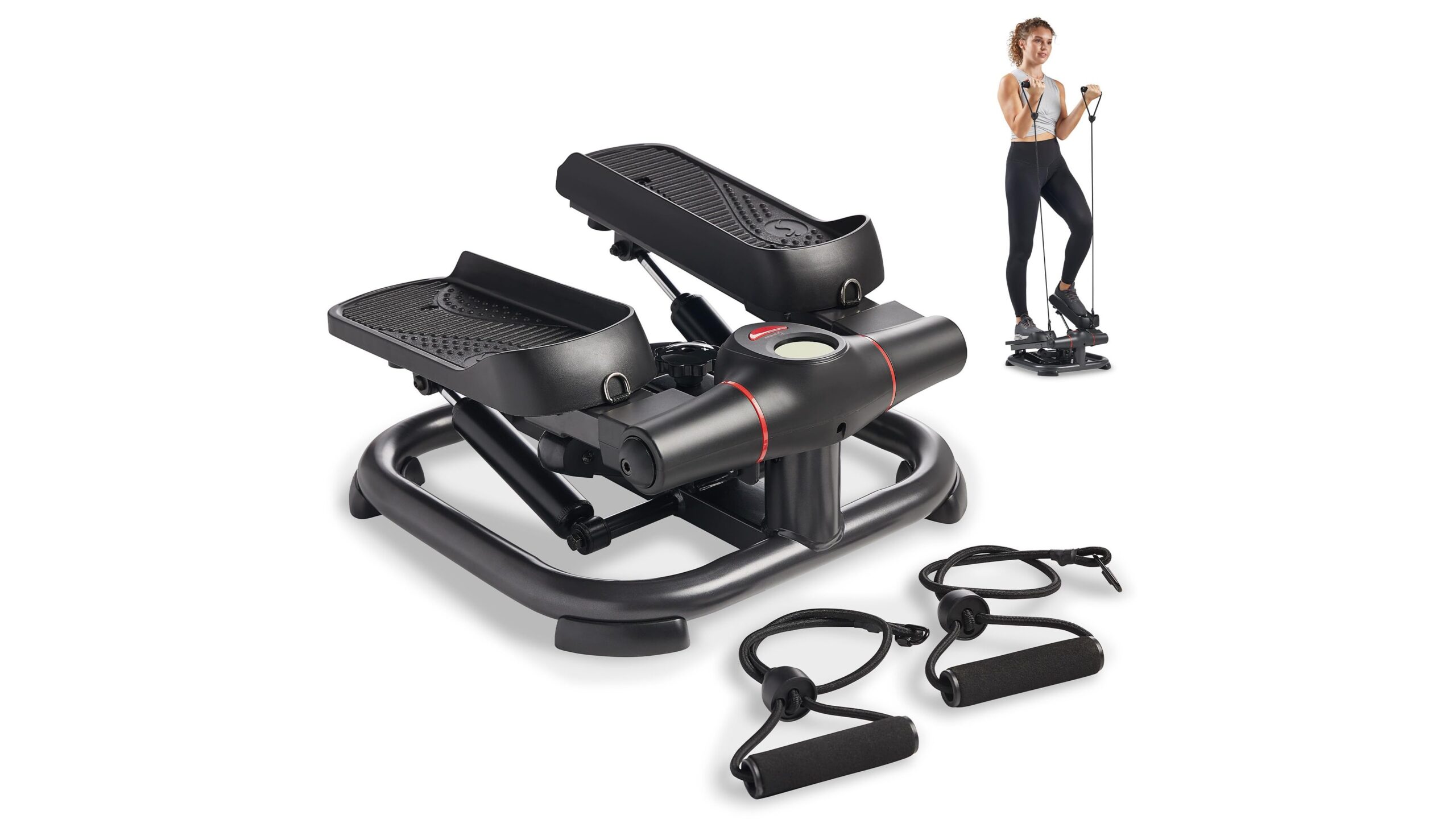
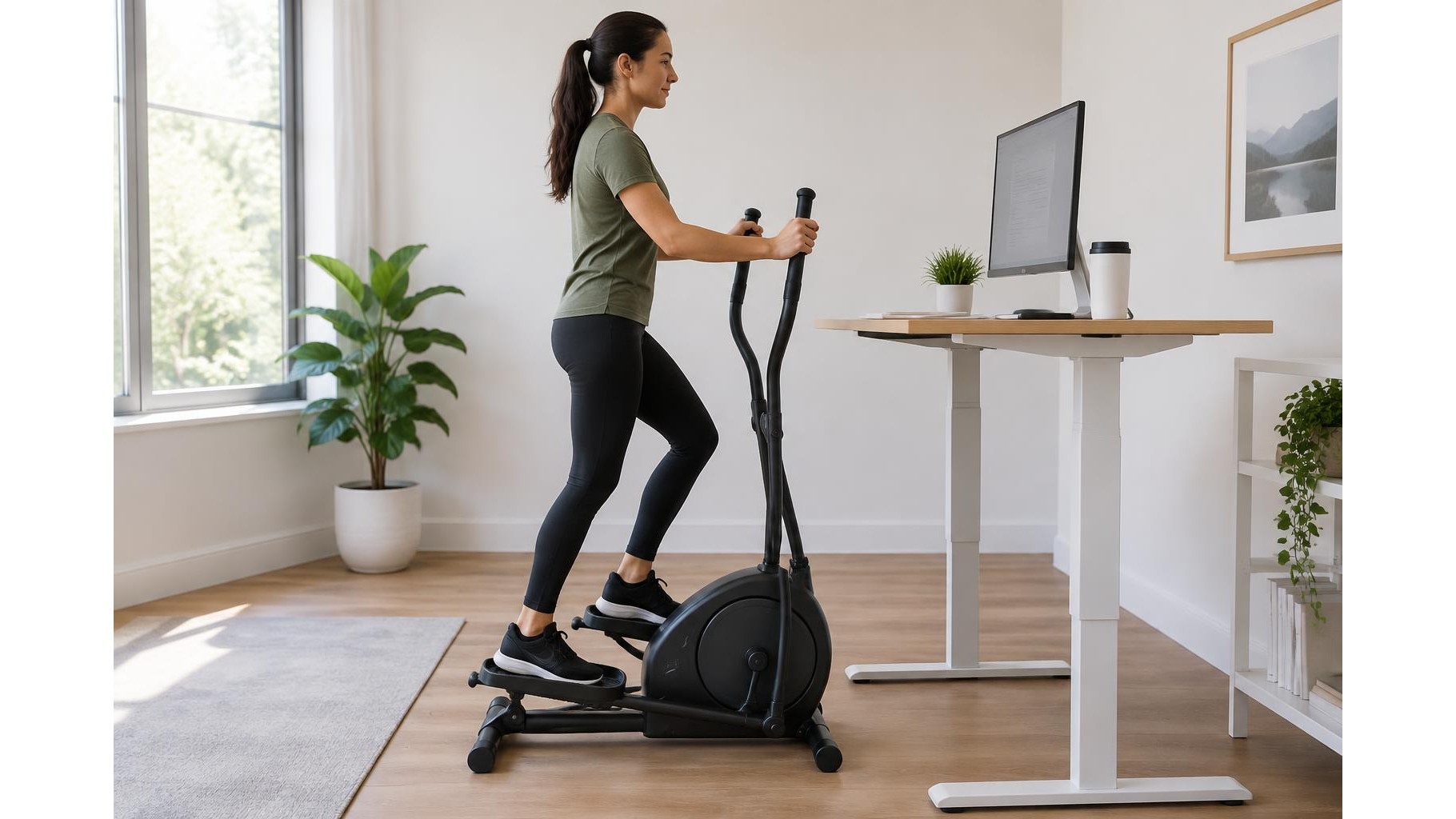
On a moving-footplate design, each pedal follows a guided path as you push and pull through the rotation. Depending on the machine, the movement may feel like a small elliptical stride, a compact stepping action or a reciprocal pedalling motion. It is generally more continuous than simply raising and lowering your heels, and may recruit the thighs and glutes along with the calves. Because compact models often have a short travel distance, the sensation can be quicker and less like the long, flowing stride of a full-size gym elliptical. Try to assess the full movement cycle, not just whether the pedals move.
Stride length and movement range
Stride length is one of the most useful figures to compare, yet it is not always listed for compact equipment. A short stride can suit gentle cardio at a desk or in a small room, but may feel cramped for taller users or anyone wanting a more expansive running-like motion. Look for clear measurements of pedal travel, machine footprint and clearance around the unit. If specifications are vague, seek a demonstration or check whether the seller provides a return period. Also consider whether the footplates move smoothly through the entire cycle, without an abrupt stop or awkward change in direction.
Joint comfort and posture
A guided, low-impact motion can be appealing if you want cardio without the repeated impact of running. Moving footplates do not automatically make a machine suitable for every joint, however: comfort depends on the path, resistance, posture and individual needs. Keep your feet supported across the pedals and avoid reaching or twisting to maintain the movement. For seated use, check that the unit fits under your desk and that your knees have room to travel. For standing use, make sure the frame feels stable and that the handles, if included, allow a relaxed upright position. Start gently and stop if movement causes pain.
Workout intensity and resistance
Compact trainers can support light movement during work or a more deliberate cardio session, depending on their resistance range and how you use them. Compare the available resistance levels, adjustment method and whether resistance is magnetic or friction-based. A wider, predictable range gives you more options for gradually increasing effort; a basic fixed-resistance unit may be better suited to easy activity. Check whether the display reports useful data such as time, cadence, distance or estimated calories, while remembering that calorie readings are approximate. Quiet operation also matters if you plan to pedal during calls or in a shared home.
Specifications to check before choosing
Before buying, compare the details that affect day-to-day usability rather than relying on a compact label alone. Useful points include:
- Maximum user weight and overall frame stability.
- Footplate dimensions, travel range and grip texture.
- Resistance settings and how easily they can be changed.
- Noise level, assembly needs and available warranty.
- Dimensions, weight and whether the unit has a carry handle or transport wheels.
Check the intended use, too: some models are designed primarily for seated pedalling, while others are meant for standing workouts. These are not always interchangeable, even when their shapes look similar.
Who this style suits
Moving-footplate compact trainers may suit people who want a small-footprint option for gentle cardio, desk-side movement or short home sessions. They can also be useful when a full-size cross-trainer will not fit, provided the shorter motion feels comfortable. They are less likely to satisfy users seeking a long stride, high-intensity training or the stability and programming of a larger machine. If possible, test the movement at a realistic pace and resistance before committing.
In short, judge a compact elliptical by how its footplates travel, not by its size alone. Match the stride and intended position to your body and routine, then compare resistance, stability, noise and storage requirements. A comfortable, controlled motion is more valuable than a long feature list—and the right choice is the one you can use consistently at home.