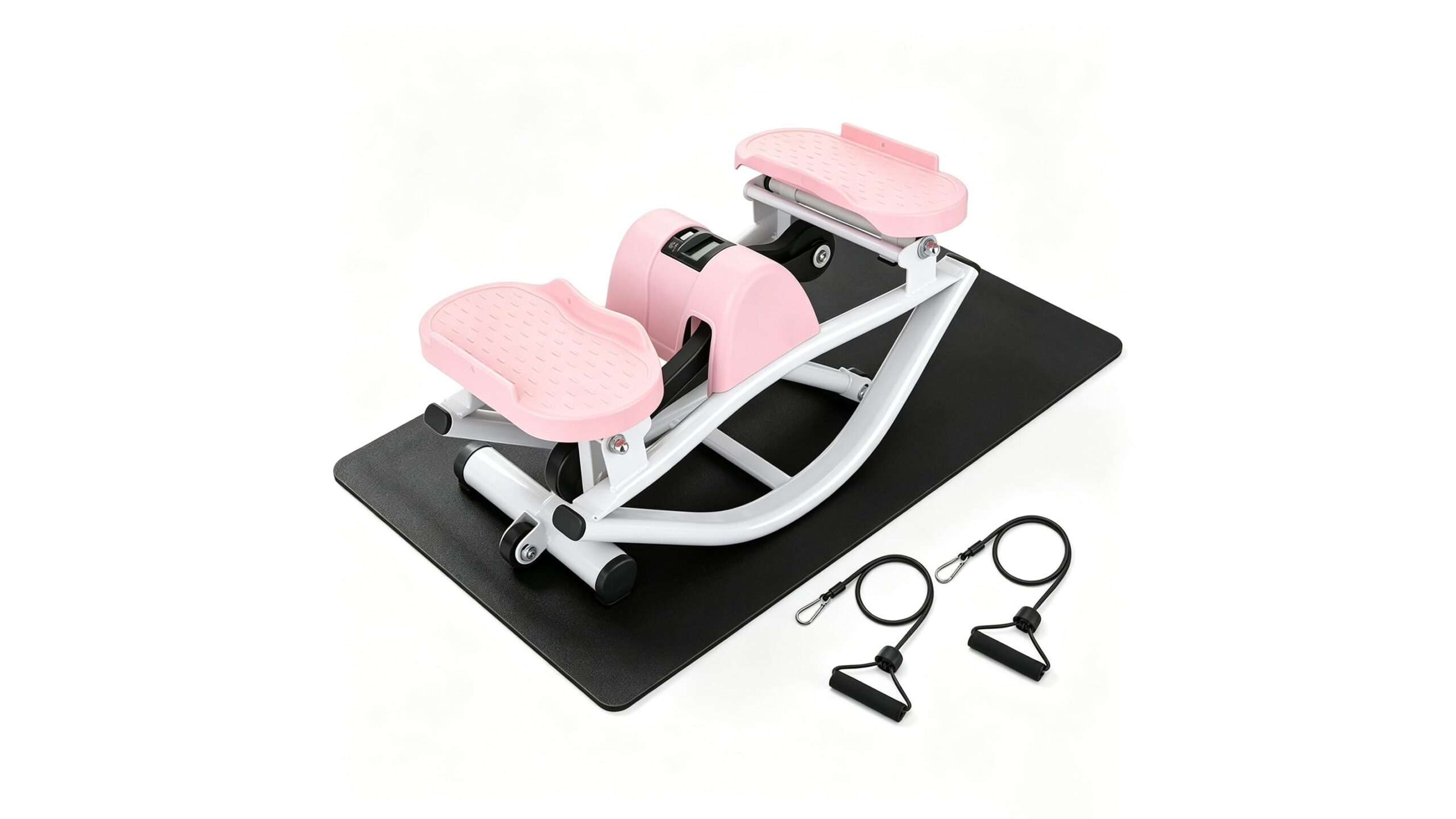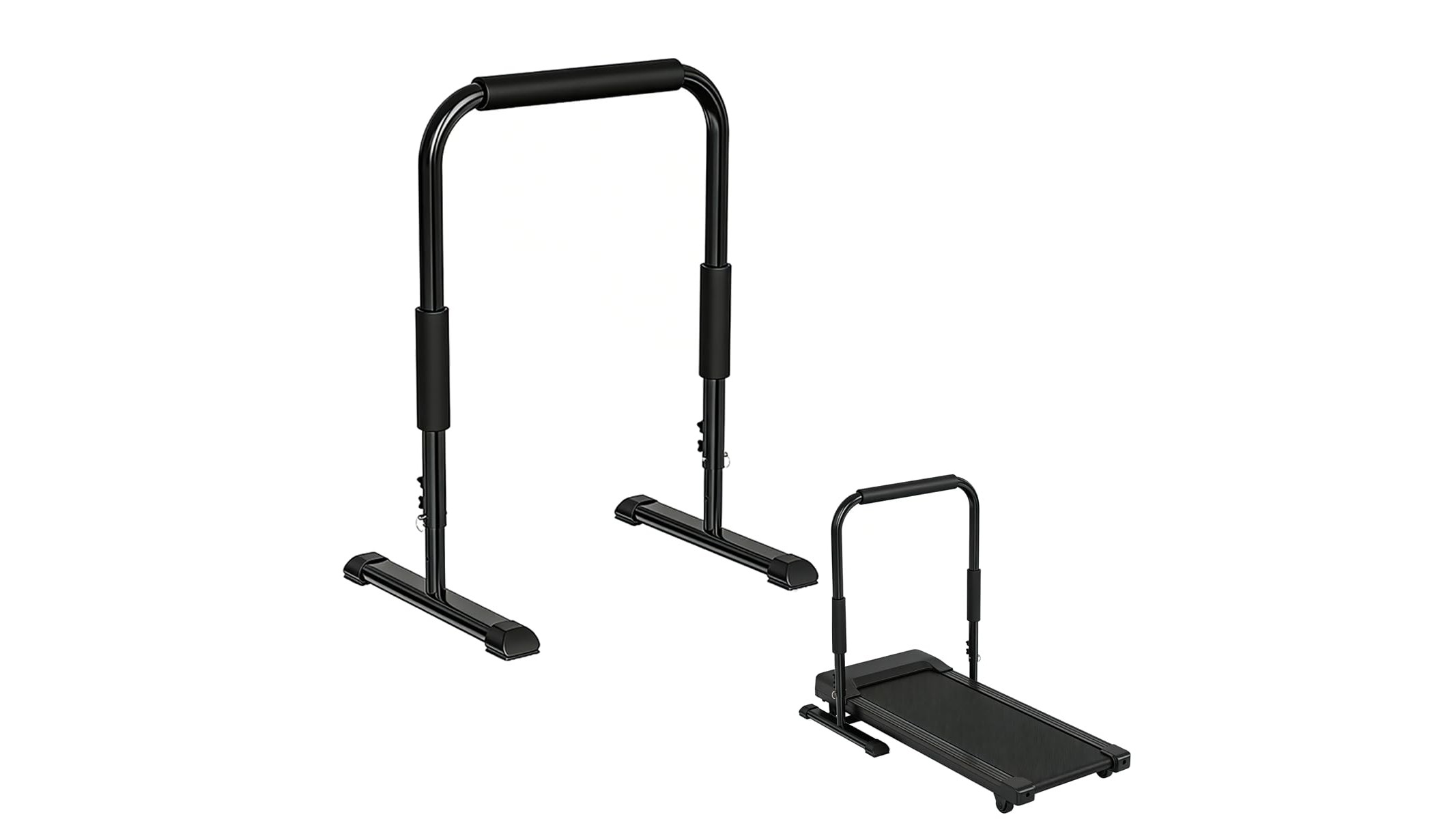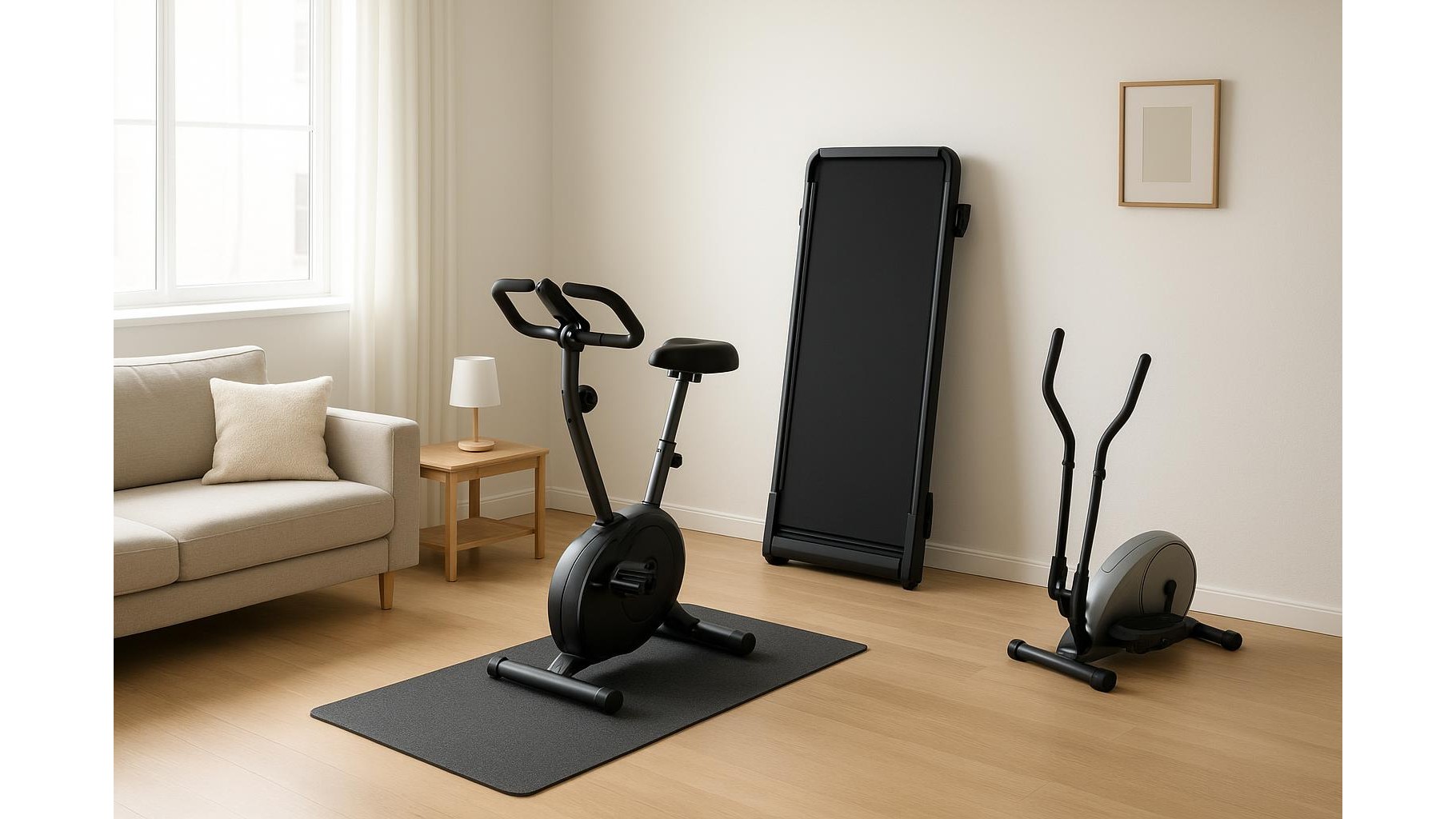
Setting up a compact home gym for low‑impact interval training is easier than ever, but choosing your first machine can feel overwhelming. Between folding bikes, mini ellipticals and slim treadmills, each option promises a quiet workout that is kind to your joints and suitable for a small flat. This guide walks you through a practical checklist to compare compact bikes, ellipticals and treadmills, with a focus on joint-friendly intervals, noise levels, resistance profiles and console features that really matter in an apartment.
Table of contents
Clarify your joint needs and interval goals
Before browsing any product on Amazon, get clear on how much impact and range of motion your body tolerates. If you have sensitive knees or ankles, a compact exercise bike is often the safest entry point for intervals, because there is no impact and you can easily control cadence. A small elliptical trainer gives a more full‑body feel with a smooth, gliding motion, but pay attention to stride length—very short strides can feel choppy and uncomfortable. Slim treadmills can still be low‑impact if you mainly walk at an incline instead of running, but look for good deck cushioning and a belt long enough for your natural stride. Decide whether your intervals will be time‑based (e.g. 30s on / 30s off) or heart‑rate based, as this will influence the type of console and resistance controls you need.
Compact bikes: what to check in small apartments
For most people starting at home, a folding magnetic exercise bike offers the best mix of compact size, quiet operation and joint‑friendly intervals. When evaluating options on Amazon.co.uk, prioritise models with magnetic resistance rather than friction pads; these are far quieter and need virtually no maintenance. Check that the bike supports your height and weight, and that the seat is adjustable both vertically and, ideally, horizontally. A wider, padded saddle is usually more forgiving during longer interval sets. Look for a simple console that shows at least time, speed, estimated distance and pulse via hand sensors, plus clearly numbered resistance levels (for example 1–8). This makes it easier to script intervals like “2 minutes at level 3, 30 seconds at level 7” and repeat them consistently.
Compact ellipticals: smooth stride and resistance profiles
If you prefer a more full‑body, upright position, a compact elliptical cross trainer can be an excellent low‑impact choice. In product descriptions, pay close attention to flywheel weight and resistance system. A slightly heavier flywheel combined with magnetic resistance usually gives a smoother, more stable feel, especially when you push harder during work intervals. For small spaces, many ellipticals use a shorter stride; test (or carefully read reviews) to ensure the motion still feels natural and doesn’t force your knees into an awkward path. Solid hand grips and stable foot pedals are critical for safety when you increase cadence. A good compact elliptical console will offer quick buttons or a dial to adjust resistance without scrolling through complex menus, so you can change intensity instantly when an interval starts.
Slim treadmills: cushioning, speed range and noise
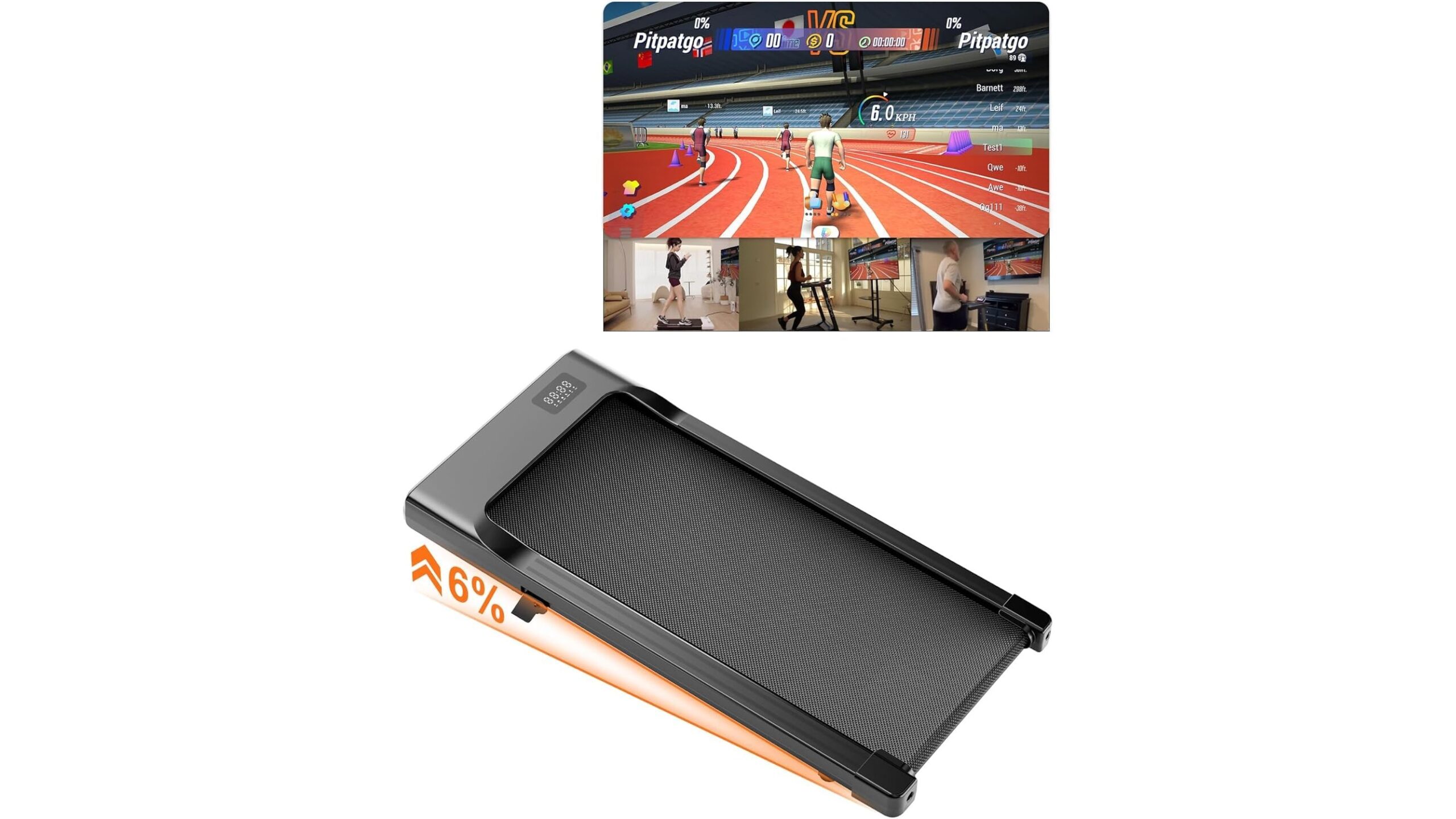
For walkers and light joggers, a slim treadmill can still be compatible with low‑impact interval training, particularly if your plan focuses on brisk walks, incline intervals and only occasional light runs. In a flat, prioritise models marketed as quiet or “low‑noise” and look for a DC motor with enough power to run smoothly at your target speeds without straining. Check the belt size: a too‑short deck can affect your gait and increase joint stress. Good deck cushioning is essential—many listings highlight multi‑layer belts or shock‑absorbing systems. For intervals, a simple console with speed shortcuts (e.g. instant jumps to 4, 6, 8 km/h) or a remote control allows quick transitions between work and recovery phases. Foldable frames or under‑desk styles help you slide the treadmill under a bed or sofa when not in use, preserving living space.
Consoles, noise and real‑world apartment concerns
Regardless of whether you choose a bike, elliptical or treadmill, the console and noise level will shape how realistic it is to train at home. Look for clear, backlit displays you can read in low light, and straightforward buttons for time, resistance or speed. While Bluetooth and app connectivity can be useful, they are optional; what matters most is that you can start, stop and modify intervals quickly. For noise, prefer machines with magnetic resistance and belt‑driven mechanisms; these are typically quieter than chain‑driven or friction systems. User reviews often mention vibration and floor noise—in a flat, combining your machine with a thick protective mat can significantly reduce sound transmission to neighbours. Make sure you have enough clearance around the machine, and measure both the working footprint and folded size so it truly fits your living area.
In summary, the best compact cardio machine for low‑impact intervals at home is the one that suits your joints, space and workout style. Bikes tend to be the most joint‑friendly and space‑efficient, ellipticals give a smooth full‑body option if you have a bit more room, and slim treadmills can work well for walking‑based intervals when cushioning and belt size are adequate. Prioritise magnetic resistance, intuitive console controls and proven quiet operation, then use clear resistance or speed levels to structure simple, repeatable interval sessions. With a little planning and careful reading of product specs and reviews, you can build a sustainable, neighbour‑friendly interval routine in even the smallest apartment.