If you want short, brutal cardio at home but have limited space, a compact air bike is one of the most effective tools you can buy. Unlike traditional spin bikes, air bikes scale resistance with your effort, making them ideal for HIIT sprints, EMOMs and conditioning finishers in apartments and small garages. To avoid wasting money on the wrong machine, you need to understand how fan size, drive system, noise, console features and overall footprint affect your training experience.
Fan size and resistance: how hard can it really get?
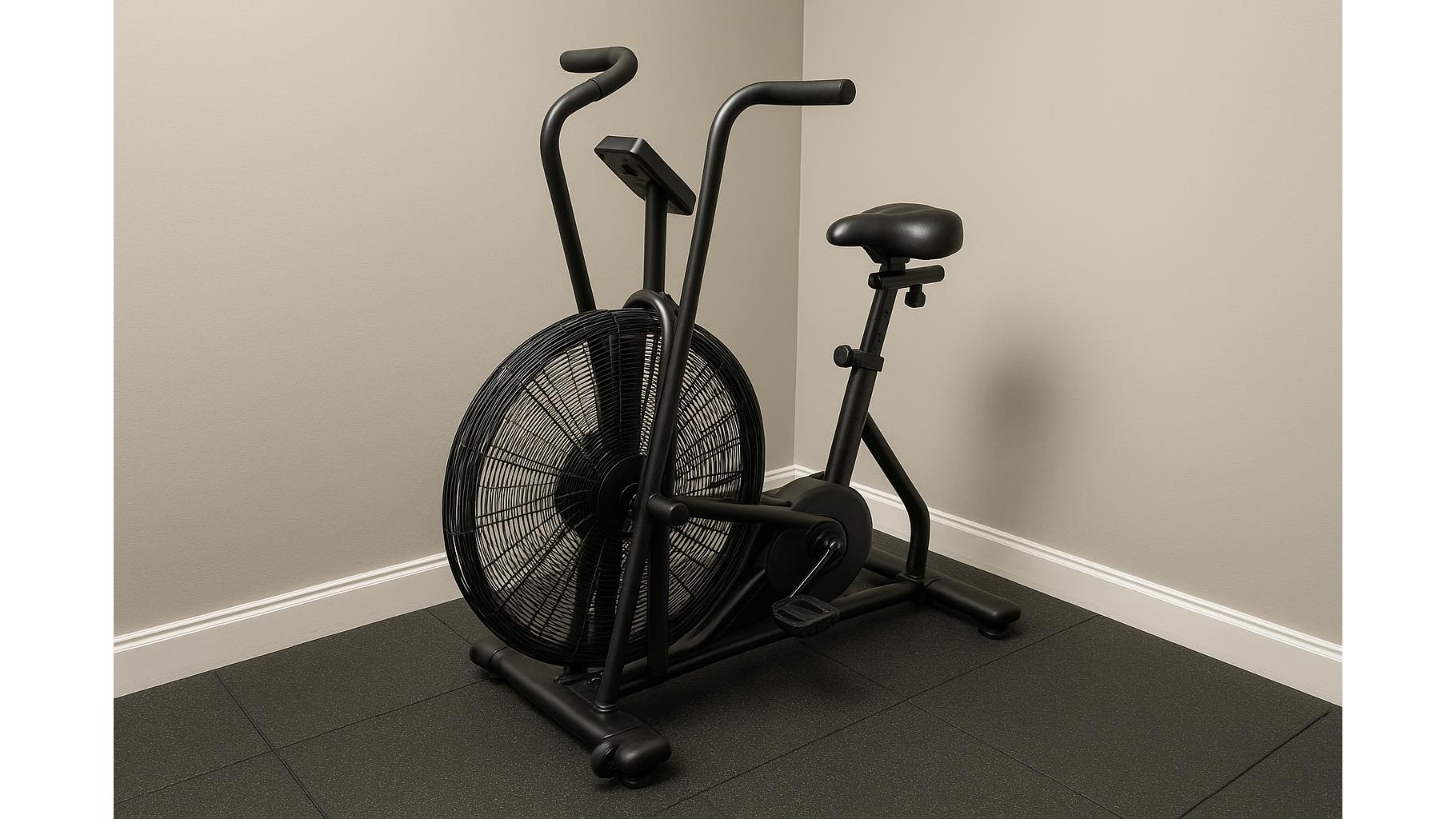
The fan is the heart of any air bike. A larger fan diameter and heavier blades create more air resistance as you push harder, giving you that signature “infinite” load for all‑out intervals. Compact models often use a slightly smaller fan than full‑size assault bikes to reduce footprint, but a good design will still deliver serious resistance for 10–30 second sprints. When comparing products, look for a solid metal fan (not flimsy plastic) and a shroud that directs air efficiently. Even if the fan is smaller, a well‑built unit will still punish your legs and lungs during HIIT workouts, while lighter users and beginners will appreciate a smoother power curve that feels less like hitting a wall at high speed.
Chain vs belt drive: feel, maintenance and noise
The drive system determines how the pedals and arms connect to the fan. Budget and older air bikes typically use a chain drive, which feels very direct but can be louder and needs periodic lubrication and tensioning. Compact home‑oriented models increasingly use a belt drive. Belts run smoother, require far less maintenance and significantly reduce mechanical noise, which is crucial if you live in a flat with neighbours or train early in the morning. For short, brutal sessions you won’t notice a performance difference, but you will notice how pleasant (or annoying) the bike is to live with. When space and lifestyle matter as much as intensity, a belt‑driven compact air bike is usually the smarter choice.
Noise levels in apartments and small garages
All air bikes generate noise because the fan is literally pushing air, but design details can make a big difference. A smaller enclosed fan cage, belt drive, and rubberised feet help keep both airborne noise and vibration under control. In an apartment, think about two elements: the “whoosh” from the fan and the low‑frequency vibration that can travel through floors. Placing your compact air bike on a thick rubber mat in a corner, away from shared walls, helps a lot. For garage gyms, noise is less critical, but if the space is attached to your home you’ll still appreciate a quieter fan during conditioning finishers. When choosing, prioritise bikes advertised as suitable for “home” or “apartment” use, as these typically have better sound‑damping features.
Console features that actually matter for HIIT
It’s easy to get distracted by flashy consoles, but for HIIT sprints you only need a few core metrics: time, RPM (or speed), calories and distance. A good compact air bike console should allow simple interval setup (for example, 20/10 or 30/30) without endless button presses. Large, high‑contrast digits are essential when you’re gasping and only able to glance quickly between efforts. Backlighting is a plus for late‑night or early‑morning sessions in a dim room. Advanced connectivity like Bluetooth can be nice for tracking, but it’s optional; what really matters is that the console responds quickly to changes in effort and makes it easy to repeat the same conditioning protocols week after week so you can track improvements.
Footprint, adjustability and matching the bike to your workouts
The appeal of a compact air bike is that it fits where a full‑size assault bike will not. Check the exact footprint dimensions (length, width and height) and compare them to your available space, including clearance to get on and off. Transport wheels are a must if you need to move the bike between sessions. Adjustability also matters: a wide saddle height range and fore‑aft adjustment help you find a strong, joint‑friendly position whether you’re 5’4″ or 6’2″. Finally, think about how you’ll actually use it. If you mainly want short sprints and finishers after lifting, almost any solid compact model will do, as long as it’s stable at high efforts. If you also plan to use it for longer steady‑state rides, prioritise comfort: a better seat, smoother belt drive and a fan that doesn’t feel too choppy at low intensities.
Choosing the right compact air bike for home means balancing resistance, drive system, noise, console clarity and footprint against how you really train. For short, brutal cardio, a sturdy frame, responsive fan and simple, legible console matter far more than fancy extras. Opt for a belt‑driven, apartment‑friendly design if noise and maintenance are concerns; prioritise fan quality and stability if you’re focused purely on savage intervals in a garage. Get those fundamentals right, and a compact air bike becomes a brutally effective, low‑tech weapon for building conditioning in even the smallest home gym.