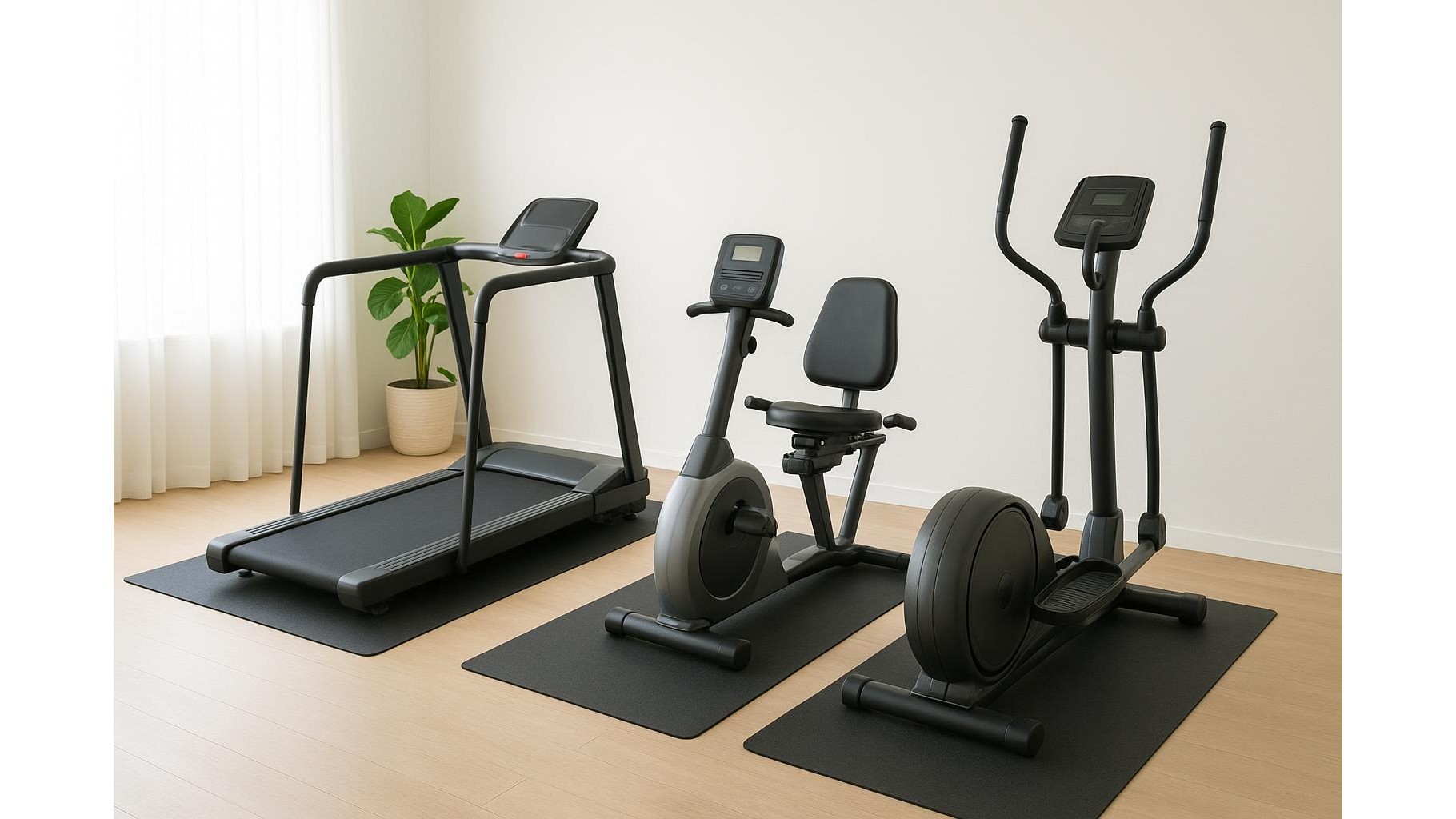
Building a home gym can be daunting if you live with poor balance, dizziness or mobility limitations. The right cardio machines can make a huge difference, offering stable platforms, accessible controls and reliable safety backups so you can train with confidence. This guide focuses on key features to look for in treadmills, exercise bikes and ellipticals to make your home workouts safer and more enjoyable.
Why balance-friendly features matter on cardio machines
People with balance issues face specific risks during cardio: missteps, trips when getting on or off, and difficulty grabbing support quickly. Choosing equipment with a low step-up height, wide and firm handrails, and a solid, non-wobbly base reduces the chance of falls. Machines designed with stability in mind also make it easier to start and stop workouts without sudden movements. Instead of focusing only on speed or resistance levels, prioritise features that keep your body aligned, let you maintain three points of contact when needed (both hands and at least one foot firmly set) and give you time to react if something feels off.
Treadmills: step-up height, rails and emergency stop
For users with poor balance, a treadmill must offer secure footing and easy recovery if you stumble. Look for a deck with a low platform height so stepping on feels similar to stepping onto a low curb rather than climbing stairs. Continuous, full-length handrails on both sides are hugely beneficial: they allow you to slide your hands forward or back without losing support, especially at slower walking speeds. An easily reachable emergency stop or safety key that clips to your clothing is essential; if you drift or feel dizzy, it should instantly stop the belt. Simple, large console buttons positioned close to the front rail are preferable to complex touchscreens, so you can quickly adjust speed or stop without looking down for long periods, which can further challenge balance.
Exercise bikes: stability, step-through frames and saddle comfort
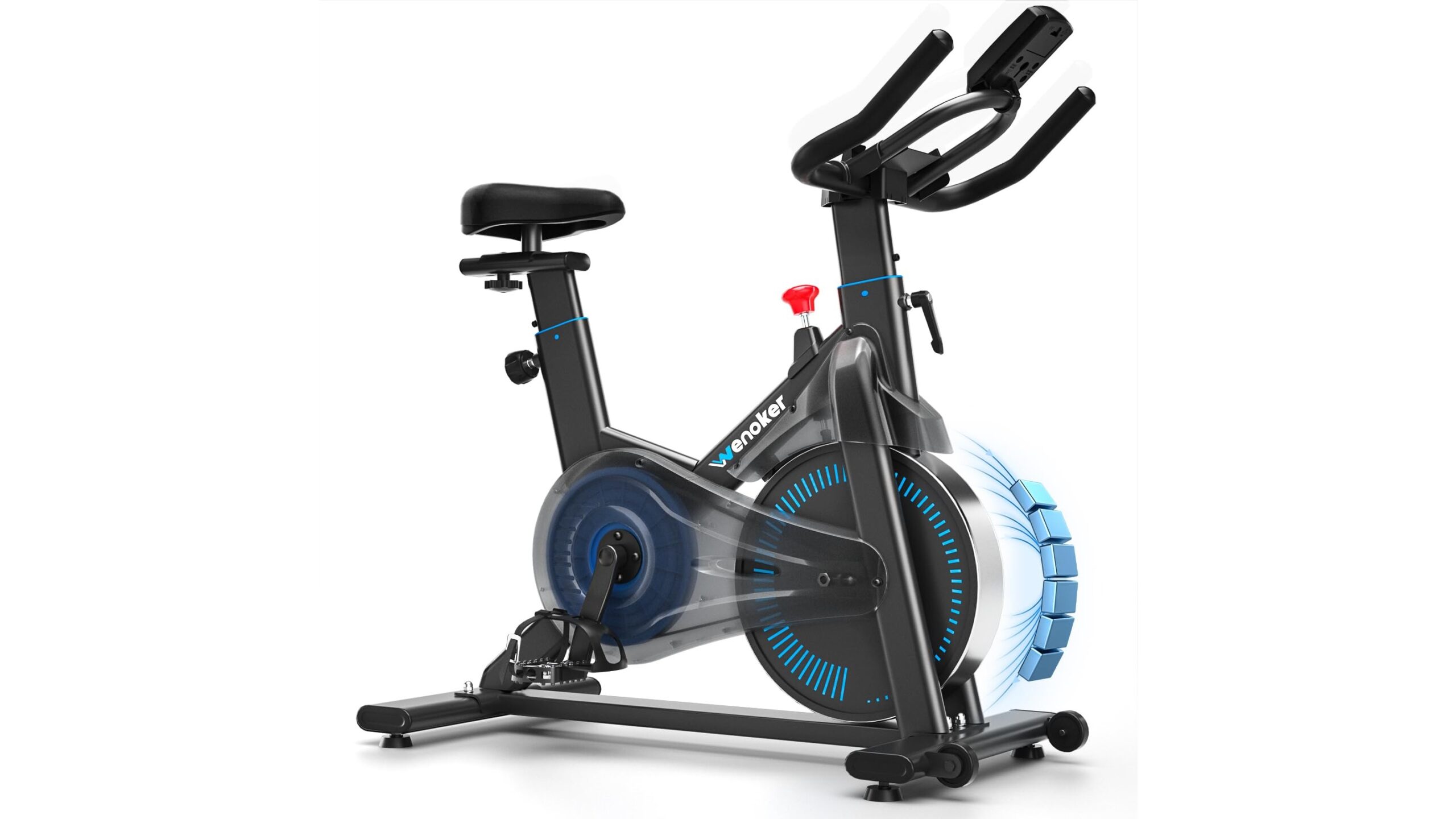
Exercise bikes are often the safest cardio option for people with unstable balance because you stay seated with feet anchored to the pedals. Prioritise a bike with a step-through frame so you don’t have to swing a leg high over the frame to get on. A wide base and leveling feet help the bike stay steady even if you shift your weight side to side. For longer sessions, a well-padded, adjustable saddle (or a recumbent bike with a large seat and backrest) can reduce discomfort that might otherwise cause you to fidget or lose posture. Sturdy handlebars that can be gripped in several positions support the upper body: you should be able to lightly lean without the front of the bike lifting or wobbling. Easy-to-reach tension controls and a clear display limit how much you have to twist or lean forward while riding.
Ellipticals: handhold design and smooth, low-impact motion
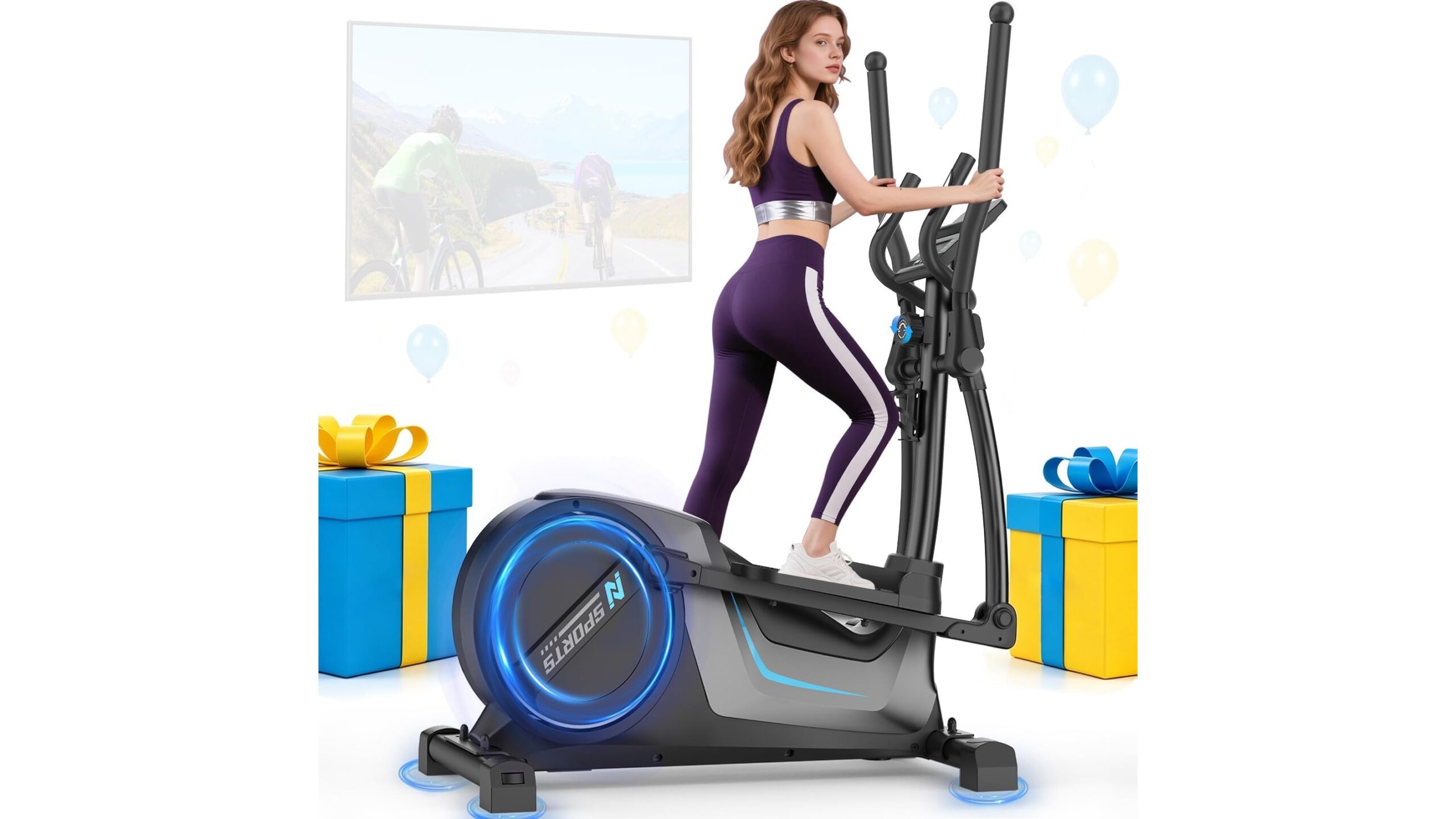
Elliptical trainers provide low-impact cardio with continuous contact between your feet and the pedals, which can be advantageous if you struggle with impacts from walking or running. For users with balance problems, the most important features are long, grippy handrails and a stable pedal platform. Choose an elliptical with both moving and fixed handlebars, so you can start holding the stationary handles for maximum control and progress to the moving arms if and when you feel comfortable. The step-up height to the pedals should be moderate, not requiring a high leg lift, and the motion should feel smooth, without sudden changes in resistance. Wide pedal surfaces with anti-slip texture and a slight lip around the edge help prevent your feet from sliding or catching when you are tired.
Console placement, controls and safety extras
The console and controls of your cardio machine are more than just a place to see speed and time; for people with poor balance they can actively improve safety. Opt for machines with large, clearly labelled buttons that you can press without fine finger control. The screen should sit at roughly eye height to avoid having to look sharply down, which can disturb your balance. A gently angled console is often easier to see than a flat one. Additional safety extras to look for include slow-start programmes that gradually bring you up to your chosen pace, auto-stop features if no movement is detected, and backlit displays for visibility in dim rooms. A simple, dedicated stop button that is bigger and easier to find than any other key is a small detail that can make a big difference.
Practical setup tips for safer home workouts
Even the best balance-friendly cardio machine needs to be set up correctly. Place treadmills, bikes and ellipticals on a non-slip mat to prevent movement and to give you more certainty underfoot as you approach the machine. Allow generous space on each side so you can step off safely if you feel unsteady. If possible, set the machine near a sturdy wall or a secondary handhold you can use when getting on and off. Keep the area free from clutter and trailing cables. Start each session with a very slow pace or low resistance to ‘test’ how your body feels on the day. Over time, as you gain confidence, you can rely less on the handrails, but they should always be there as a secure backup. Listening to your body and respecting your own limits is just as important as any piece of hardware.
Choosing cardio machines for people with poor balance means paying close attention to step-up height, handrail design, console placement and reliable emergency stop features. Whether you prefer walking on a treadmill, cycling on a stable exercise bike or gliding on an elliptical, investing in thoughtful design details will reduce your risk of falls and help you focus on building endurance, strength and confidence at home.