If you have bad knees, building a home cardio routine can feel like a gamble: one wrong machine and your joints remind you for days. Instead of guessing, you can look at specific design details – like impact level, range of motion, and support for posture – to choose a machine that lets you work your heart without wrecking your knees.
Table of contents
Key principles for knee‑friendly home cardio
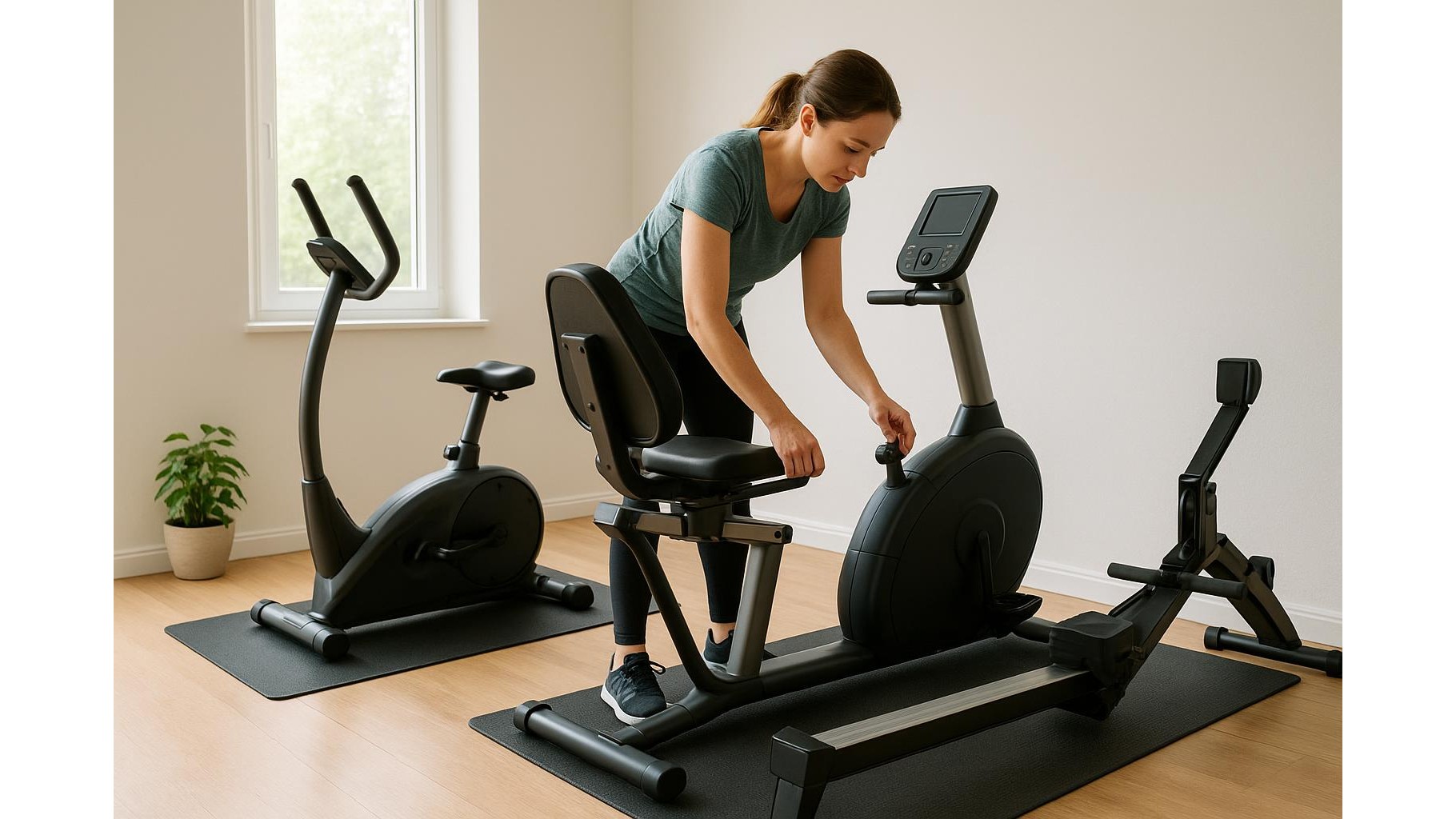
For sensitive or previously injured knees, the goal is low impact with controlled loading. Machines that keep your feet in contact with a platform (like ellipticals and bikes) usually stress knees less than those with a repetitive heel strike. Look for an adjustable resistance curve so you can start light and increase gradually, and make sure you can maintain an upright posture with minimal leaning on the handles. A good home machine should allow a smooth, circular or gliding motion so forces are spread over the full range, not concentrated at a sharp angle. Always test whether you can exercise without pain during, and without a sharp flare‑up in the 24 hours after.
Why an elliptical cross trainer can be kinder on knees
An elliptical cross trainer is often a strong choice for bad knees because it delivers a weight‑bearing workout without the jarring impact of running. Prioritise models where the stride length matches your height – too short and your knees will feel cramped, too long and you over‑stretch. A compact home elliptical with a rear or centre drive and a smooth, quiet flywheel tends to offer a more natural motion. Also check that the pedals are large and well cushioned, with a slight inward angle to reduce stress on the inner knee. If the machine includes moving handles, you can share the workload with your upper body, which means less load per stroke going through painful joints while still driving your heart rate up.
Recumbent bikes: seated support for painful knees
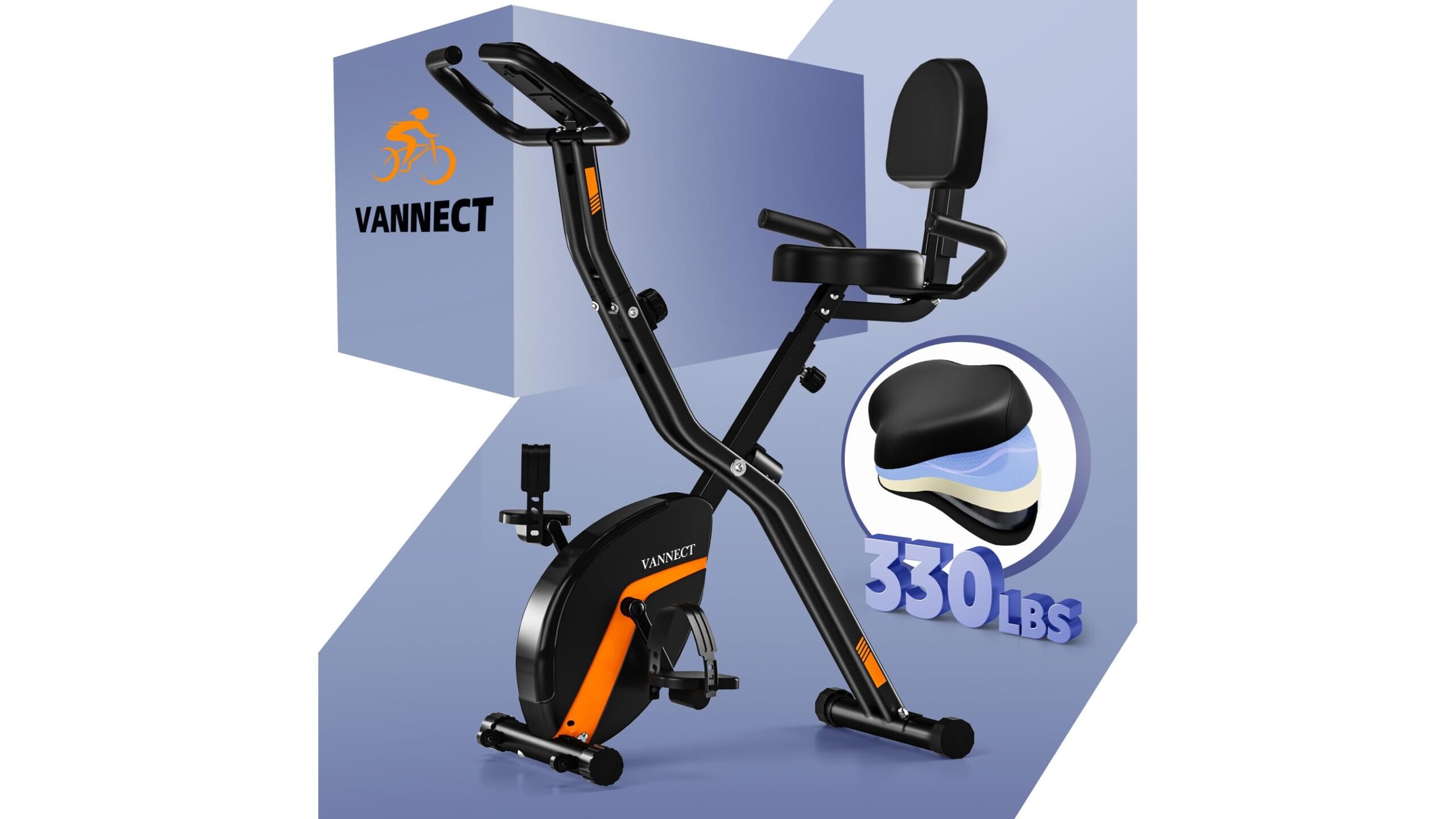
For many people with osteoarthritis or previous knee surgery, a recumbent exercise bike is the most comfortable starting point. The reclined position and large backrest help you maintain a neutral spine and reduce weight on the knees. Look for a bike with a sliding seat rail and clear leg‑length markings so you can dial in a position where your knee stays slightly bent at the bottom of the pedal stroke, not locked out. A low minimum resistance is crucial for very sensitive joints, while a broad upper range lets you progress as strength returns. Wide, grippy pedals with an adjustable strap keep the foot stable, reducing the tendency for the knee to wobble. Because pedalling is a controlled, circular movement, you can gradually rebuild quadriceps endurance – which is strongly linked to knee support – without exposing the joint to high compressive forces.
Rowing machines for full‑body, low‑impact cardio
Rowers are often overlooked for knee issues, but a well‑set‑up rowing machine can be a joint‑friendly way to train your whole body. Water or magnetic rowers with a smooth, consistent resistance curve tend to be easiest on the knees. The key is technique: avoid collapsing deep into the bottom position; instead, aim for a comfortable knee bend you can repeat without pain. Because the drive phase is shared between legs, hips and back, each tissue gets a smaller share of the total load, which many people with bad knees tolerate well. A sturdy, slightly higher seat height also makes it easier to get on and off without awkward twisting. If you enjoy rhythmic, full‑body movement and want to keep pressure off your joints, a quality rower can be a smart addition to a home gym.
Treadmills and walking pads: cushioning and control
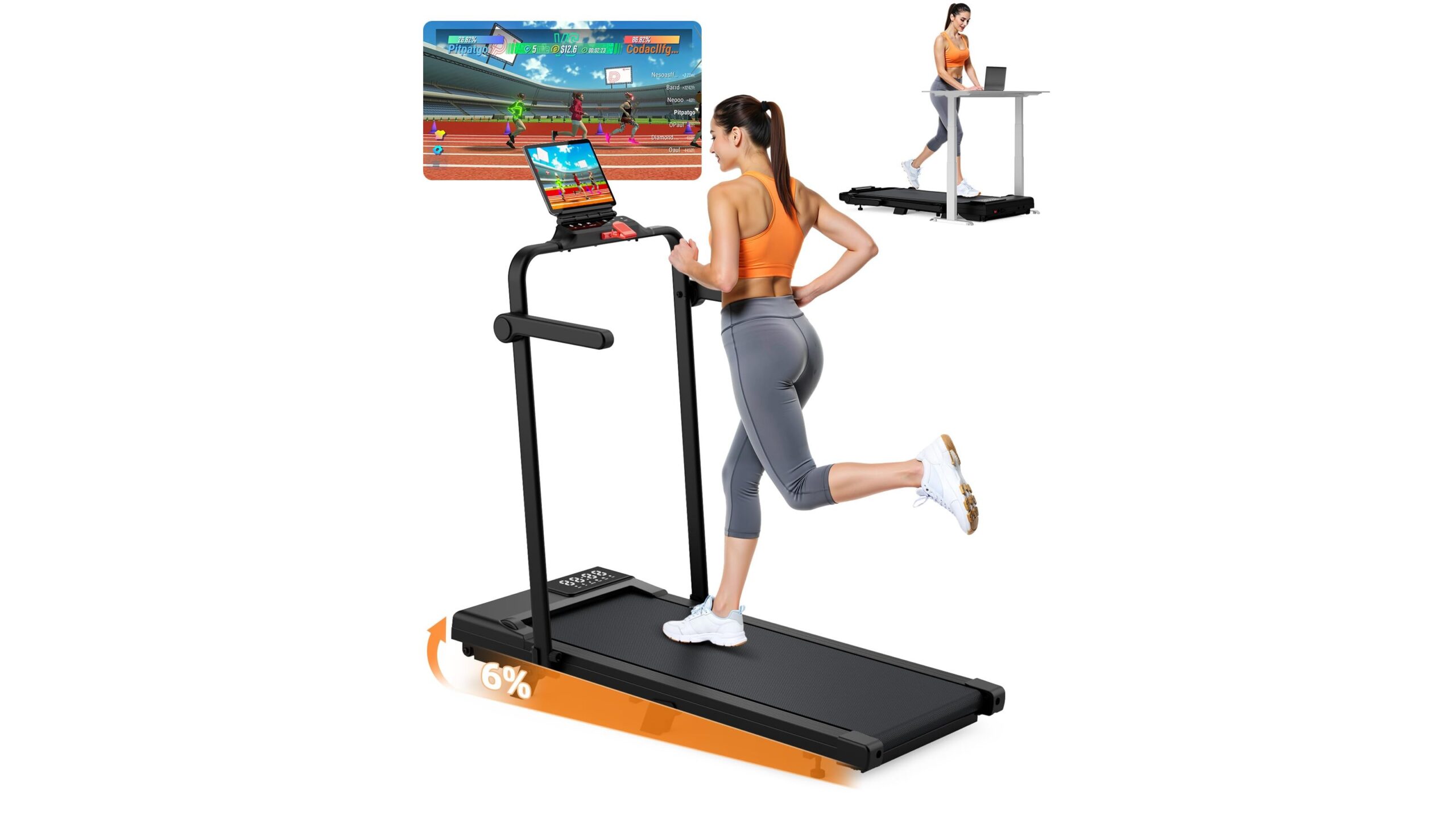
Running on a treadmill can be provocative for sore knees, but walking on a well‑designed machine is often acceptable. Look for a treadmill or walking pad with a cushioned deck that clearly advertises shock absorption, and start with a gentle pace on zero incline. For most people with bad knees, staying under a light incline and avoiding downhill or very fast speeds keeps impact manageable. Side handrails help with balance but avoid hanging your full weight through your arms, which can pull your body into awkward angles and increase stress at the knee. Folding designs can still be stable enough for daily walks if the frame feels solid and the belt runs smoothly without catching. If you feel any sharp pain with each step, reduce speed immediately or switch to a lower‑impact option like a bike or elliptical.
Compact and under‑desk options for flare‑up days
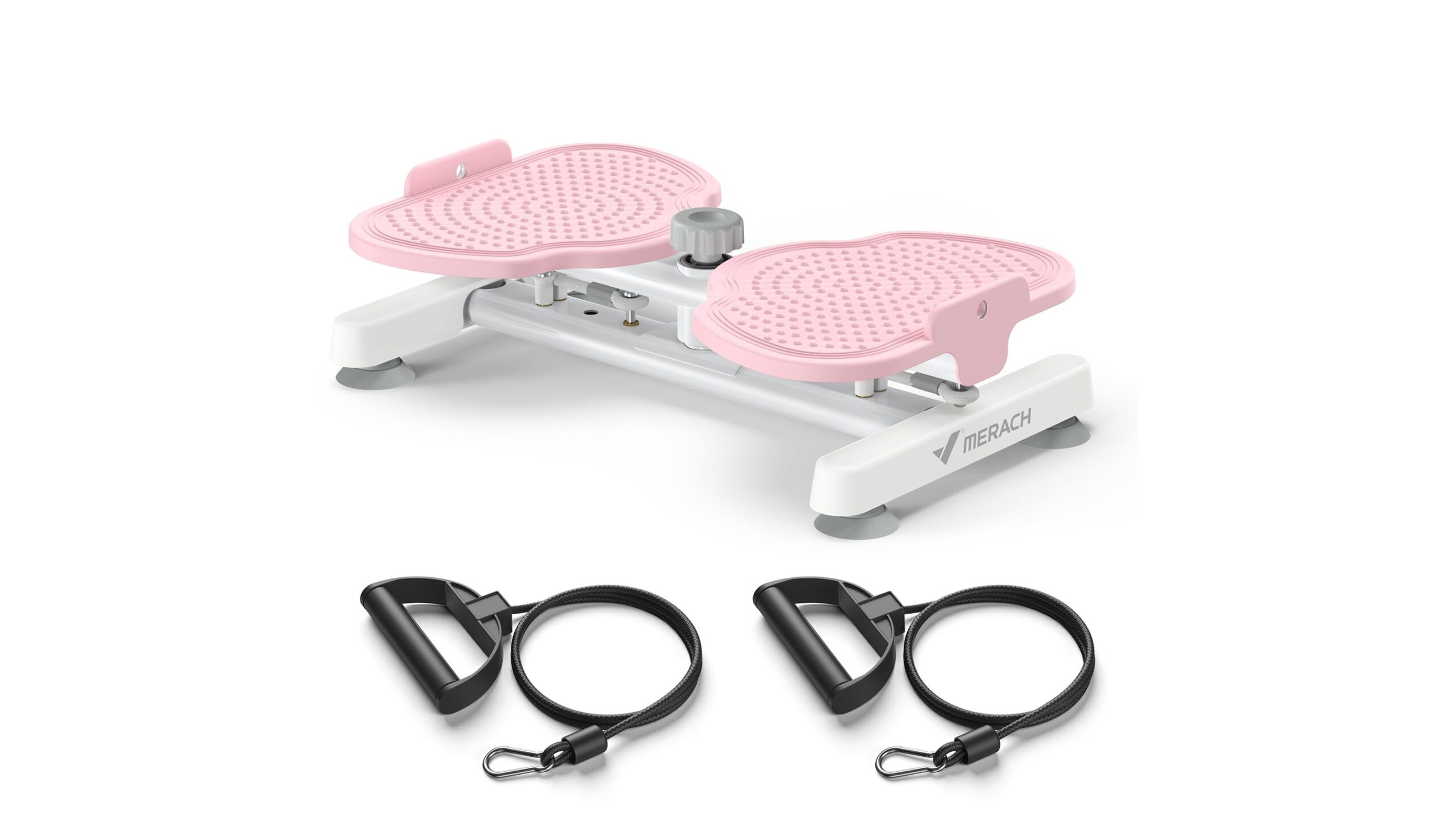
On days when your knees feel fragile but you still want to move, mini bikes and under‑desk ellipticals can keep circulation and light conditioning going. These compact devices allow a seated, low‑range pedal motion with very modest resistance, ideal during rehab or after a flare‑up. Prioritise models with stable, non‑slip bases and smooth magnetic resistance so your knees are not jolted at each revolution. Because you can adjust your chair height and distance easily, it is simple to find a range where your knees feel supported rather than compressed. While these devices will not fully replace bigger machines for fitness gains, they are excellent for adding comfortable movement “snacks” throughout the day, which supports knee health, circulation and joint lubrication.
Choosing knee‑friendly home cardio machines is less about guessing a brand and more about matching key design features to your body and injury history. Favour low‑impact, smooth motion, generous adjustability and stable support, then progress resistance and duration gradually while monitoring how your knees respond over 24 hours. With a thoughtful approach, you can build an effective home setup that protects your joints while still challenging your heart and helping you stay active for the long term.