Returning to cardio exercise after pregnancy can feel daunting. Your body has gone through major changes, and sleep, feeding schedules and energy levels all affect how you move. The goal in the postpartum period is not to “bounce back”, but to gradually rebuild stamina, support pelvic floor recovery and protect joints with gentle home cardio. The right cardio machines for home can help you move safely, in short sessions, without leaving the house.
Listening to your body in the postpartum months
Before starting any postpartum cardio, get medical clearance from your midwife, GP or women’s health physio, especially after a C‑section, assisted birth or if you have pelvic floor symptoms (heaviness, leaking, pain). In the first weeks, short walks and breathing work are often enough. As you add home cardio machines, focus on a pace where you can still talk in full sentences (the “talk test”), keep sessions to 10–20 minutes initially, and stop if you feel pelvic heaviness, back pain, doming along a diastasis recti, or unusual fatigue. Gentle progression beats pushing intensity too early.
Why low‑impact cardio is usually best after pregnancy
High‑impact activities like running and jumping place extra load on healing tissues, especially the pelvic floor, hips and lower back. In contrast, low‑impact cardio machines let you work your heart and lungs while minimising impact and giving you stable support. Think of options that allow a neutral spine, controlled stride and adjustable resistance. Aim for 2–4 short sessions per week, starting at very light intensity and building by no more than about 10% per week in time or resistance. Always pair cardio with a simple routine of pelvic floor and deep core exercises to support recovery.
Stationary bike: seated support for early recovery
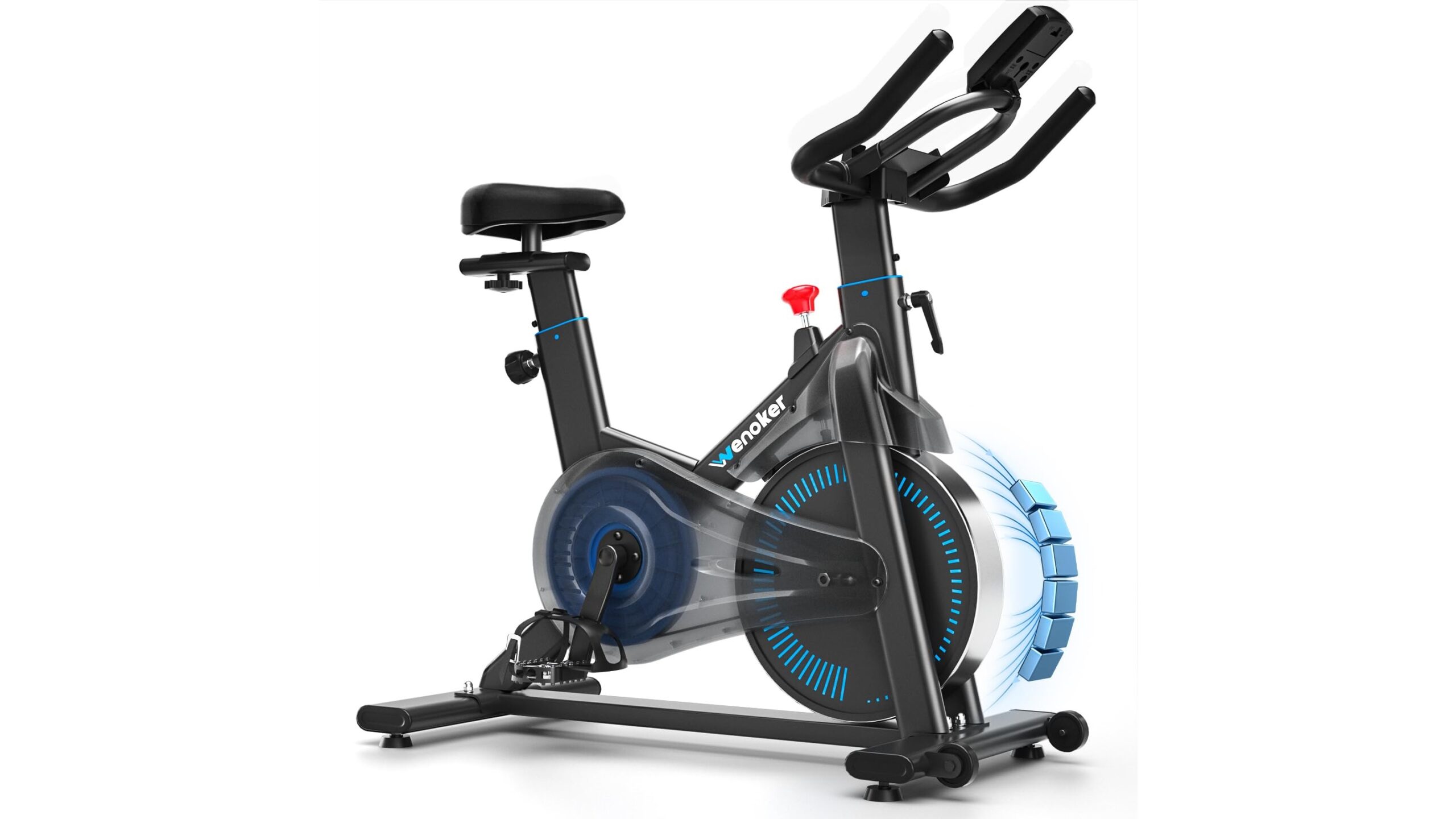
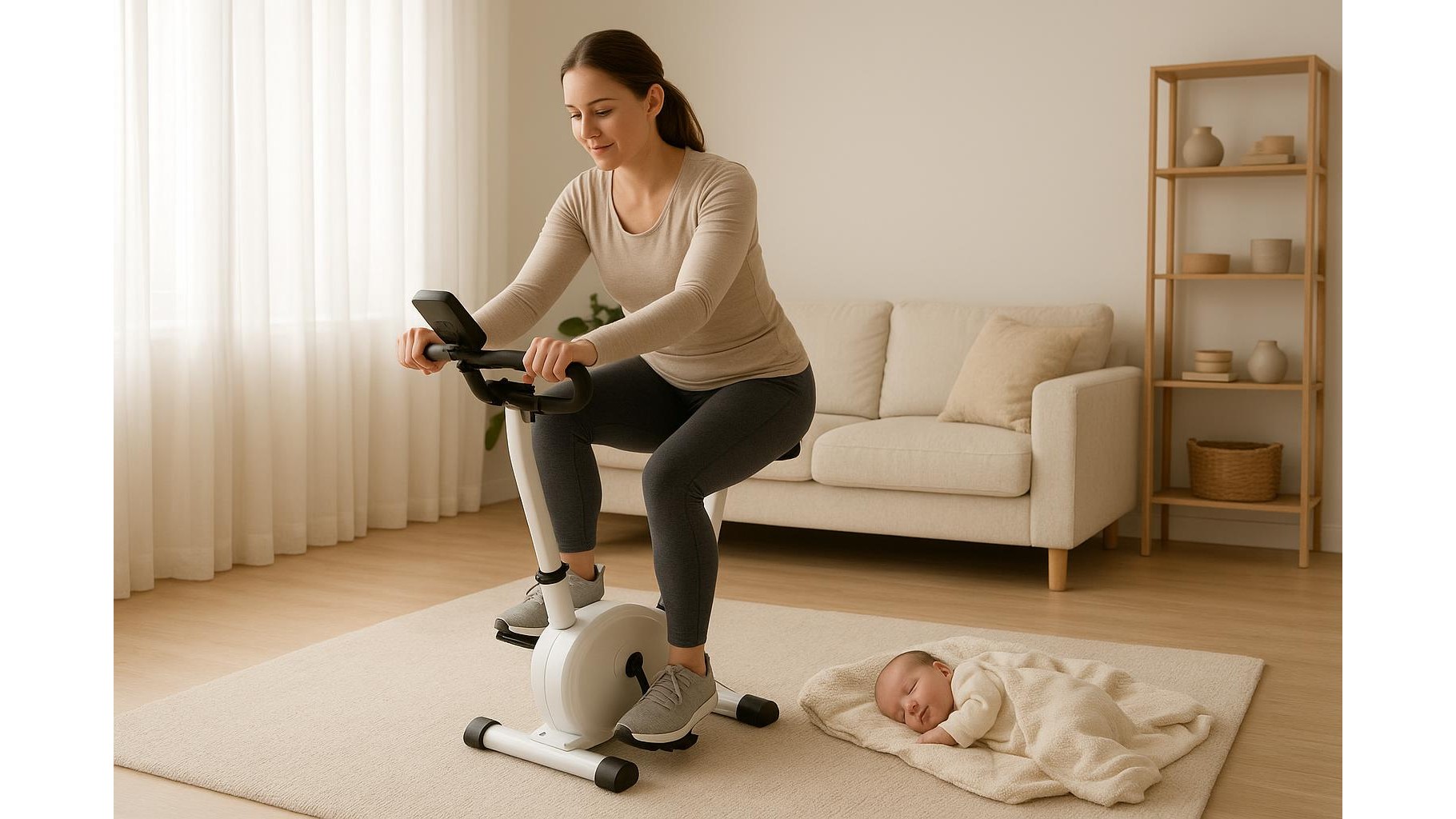
A stationary exercise bike is often one of the most comfortable postpartum cardio machines, because it lets you stay seated with minimal impact. Look for a model with an adjustable saddle height so you can keep a slight bend in the knee at the bottom of the pedal stroke, and a stable, wide base for safety during tired days. Start with very low resistance and a smooth cadence for 10 minutes, focusing on upright posture, relaxed shoulders and even pressure through both hips. If you feel pressure on your perineum, adjust saddle angle or height, or use a padded seat cover. Over time, you can lengthen sessions and gently increase resistance while staying in a steady, conversational pace zone.
Elliptical trainer: full‑body, joint‑friendly movement
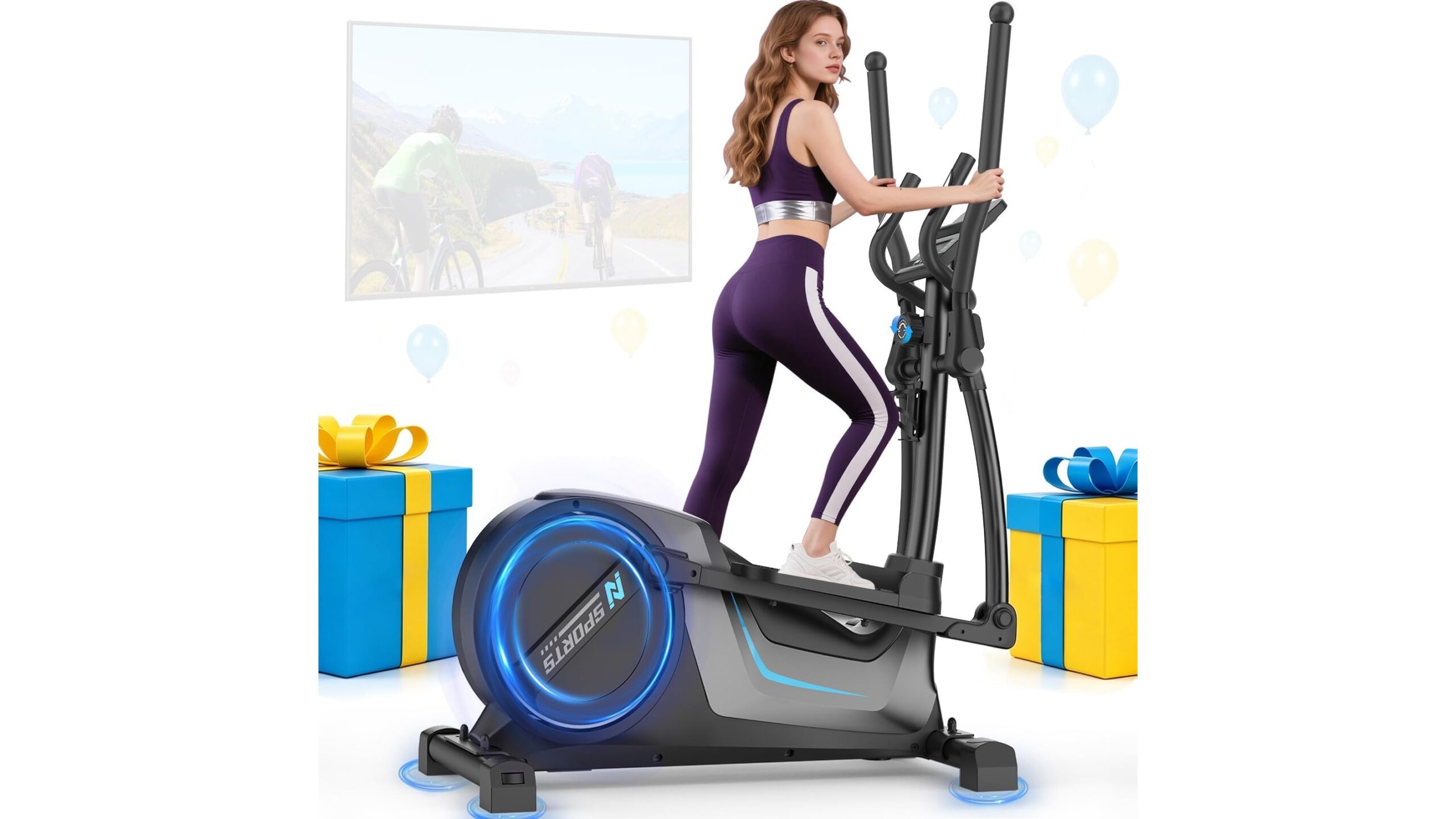
A compact elliptical trainer provides a standing, low‑impact workout that engages both upper and lower body. For early postpartum fitness, prioritise machines with a smooth, quiet stride and sturdy handles to hold for balance. Begin with short intervals: for example, 2 minutes of easy effort followed by 1–2 minutes of very light effort or stepping off to rest, repeated for 10–15 minutes total. Keep your chest open, ribs stacked over hips and avoid leaning heavily on the handles; this helps your core work gently without strain. If you notice pelvic heaviness or leaking at higher resistance, drop the resistance and shorten the stride until symptoms settle.
Walking treadmill: gradual progression from everyday movement
Walking is often the first cardio after birth, and a walking treadmill can make it easier to move at home when you cannot get outside. Choose a treadmill with good handrails, a non‑slip belt and a low starting speed so you can begin with very gentle walking. Posture matters: imagine a string lifting the crown of your head, keep your gaze forward instead of down, and let your arms swing naturally if you feel steady. Start with 5–10 minutes at an easy pace, most days, and only add small inclines when you feel strong and symptom‑free. Avoid running until cleared by a professional and only after building a solid base of pain‑free walking at varied speeds.
Rowing machines and other options: when and how to use them
A rowing machine can be effective later in the postpartum recovery journey, but the hinge at the hips and the pulling motion demand more from your healing core. Wait until deep abdominal and pelvic floor function feel stronger and you can brace gently without doming or discomfort. Start with short sets of smooth, controlled strokes and avoid jerky, powerful drives early on. If you prefer very gentle movement, mini steppers or under‑desk pedal machines can provide light circulation boosts while sitting, though they are usually better as a complement than your main workout. Whichever home cardio equipment you choose, prioritise comfort, adjustability and the ability to scale intensity down on challenging days.
Rebuilding cardio fitness after pregnancy is a gradual process. Low‑impact cardio machines such as stationary bikes, ellipticals and walking treadmills help you respect healing tissues while gently challenging heart and lungs at home. Combine these tools with core and pelvic floor exercises, flexible expectations and regular check‑ins with your health professional. With patience and consistency, you can regain stamina, support recovery and build a sustainable, enjoyable home fitness routine that fits life with your baby.