Bringing a used rowing machine into your home gym can be a smart way to access full‑body cardio without paying new‑equipment prices. But a second‑hand rower that looks like a bargain can easily turn into an expensive headache if you miss hidden issues. This guide walks you through the essential checks, the biggest red flags and a few smart upgrades so you can buy with confidence and know when to walk away.
Frame integrity and overall build quality
The first thing to inspect on any second‑hand rowing machine is the frame. Look for cracks, deep rust, bent sections or signs of DIY welding, especially around joints, the front foot and the area where the rail meets the front housing. Light surface rust on bolts is usually fine, but structural corrosion on a steel frame is a red flag. Sit on the rower and rock gently side to side and front to back: there should be minimal flex and no alarming creaks. Check that all bolts are present and can be tightened. If the machine wobbles even after adjustment, the frame may be twisted or fatigued, and no cheap price will fix that.
Rail smoothness, seat and handle comfort
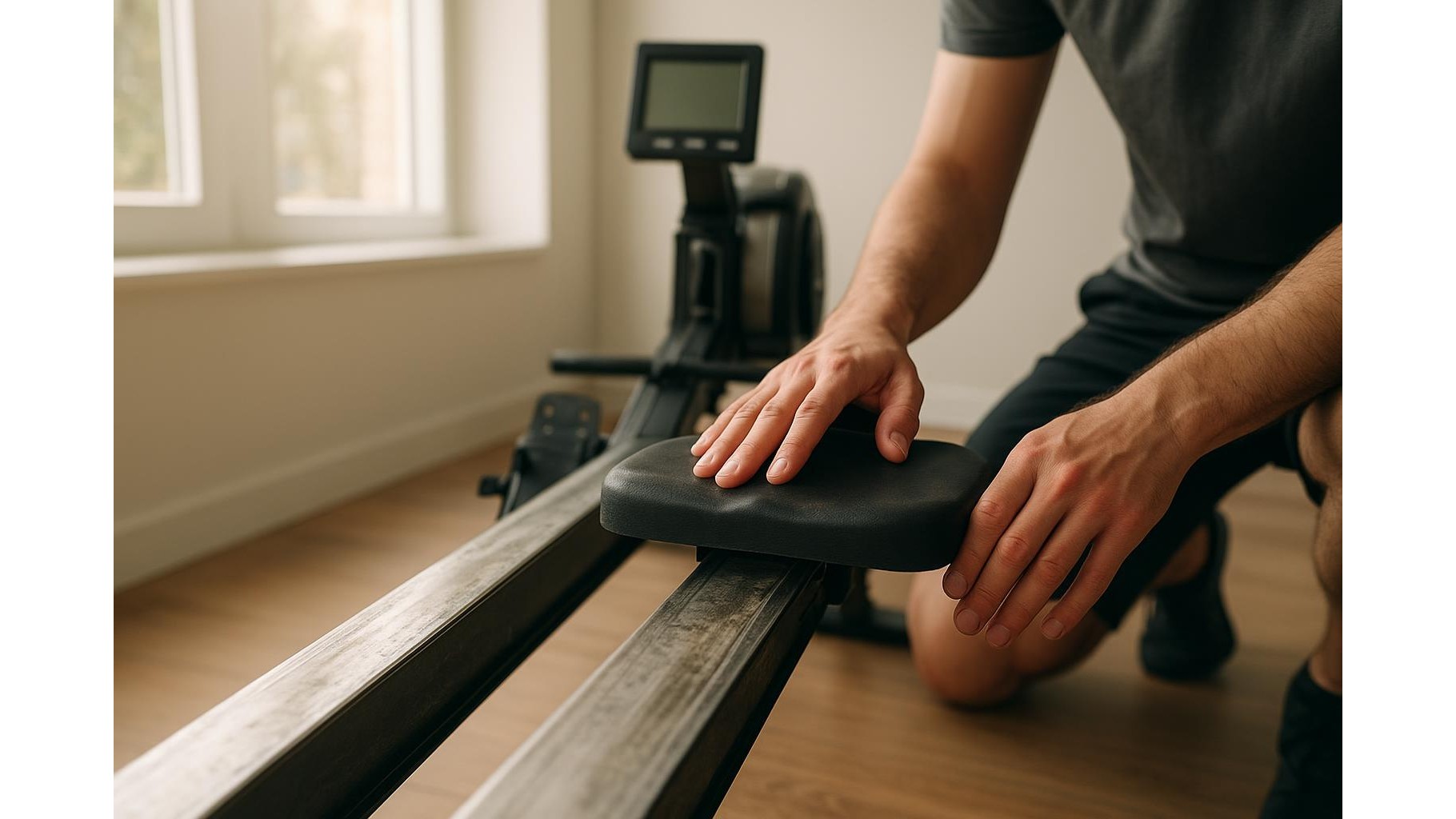
An essential part of a good indoor rowing experience is the feel of the rail and seat. Slide the seat back and forth along the full length of the rail: it should move smoothly without grinding, sticking or catching. Inspect the rail for dents, pitting or heavy rust; these often cause noises and jerky motion that are difficult to cure. Spin the seat rollers by hand, listening for grit or flat spots. Sit and row a few strokes if possible to assess comfort. The handle should have intact padding or grip tape, without sharp edges or exposed metal. A worn seat pad or handle grip is not a deal‑breaker, as these can be upgraded cheaply, but severe rail damage usually means the rower is a money pit.
Resistance system, flywheel and noise levels
Next, test the resistance system. On magnetic rowing machines, move through all resistance levels and check that changes are noticeable and consistent; sudden dead spots can indicate failing internal parts. On air rowers, spin the flywheel hard and listen for grinding, scraping or wobbling; excessive vibration suggests worn bearings or a bent axle. For water rowers, look for leaks around the tank, cracks and cloudy water that might indicate poor maintenance. Always consider noise levels: in a home gym, especially in a flat, a very loud air rower might annoy neighbours. Row at different intensities and judge whether the sound is acceptable for your space. Fixing a noisy flywheel is often costly and not worth it on a bargain‑priced machine.
Monitor functions, electronics and spare parts
The performance monitor is crucial if you care about tracking workouts. Turn it on, check that the display is clear and that it shows at least time, distance, stroke rate and estimated calories or power. Toggle through all modes and press each button; stickiness or unresponsive buttons may hint at internal damage from sweat or moisture. Ask the seller whether the monitor connects via Bluetooth or ANT+ if you want to sync with apps. Check online whether spare parts (seat rollers, chains or belts, foot straps and monitors) are still available for the specific model and how much they cost. A cheap rower with a dead or obsolete monitor and no available replacements is often impossible to upgrade and rarely worth buying.
When a cheap deal is actually a money pit
Even at a very low price, some used rowing machines are best avoided. If you notice multiple serious issues—such as a damaged frame, heavily corroded rail, erratic resistance and a non‑functional monitor—walk away, even if the seller is willing to drop the price further. Factor in the cost of potential repairs and upgrades: new seat rollers, handle, foot straps and a replacement monitor can quickly exceed what you would have spent on a better‑kept used unit. Ask for a short test row and be honest with yourself about how the machine feels; if it feels rough, unstable or unreliable, you are less likely to use it regularly. A slightly more expensive, well‑maintained model is almost always cheaper over the long term than a rock‑bottom deal that constantly breaks.
In summary, buying a used rowing machine for your home gym can be an excellent way to access effective cardio and full‑body training on a budget. Prioritise a solid frame, a smooth rail and seat, a consistent resistance system and a functional monitor with available spare parts. Evaluate noise levels for your living situation and don’t underestimate the total cost of worn components. With a clear checklist and a willingness to walk away from bad deals, you can secure a reliable rower that supports your fitness goals without draining your wallet.