Working from home has made it easier than ever to stay seated all day, but it has also made it harder to keep your daily cardio up. Bluetooth under‑desk bikes promise a discreet way to keep your legs moving while you type, attend calls or watch webinars. The key, however, is choosing a model that is both genuinely quiet and able to track your workouts accurately through apps and fitness platforms. In this guide we explain what to look for and highlight a few popular models you can consider as benchmarks when shopping.
Table of contents
Why Bluetooth under‑desk bikes are ideal for home workers
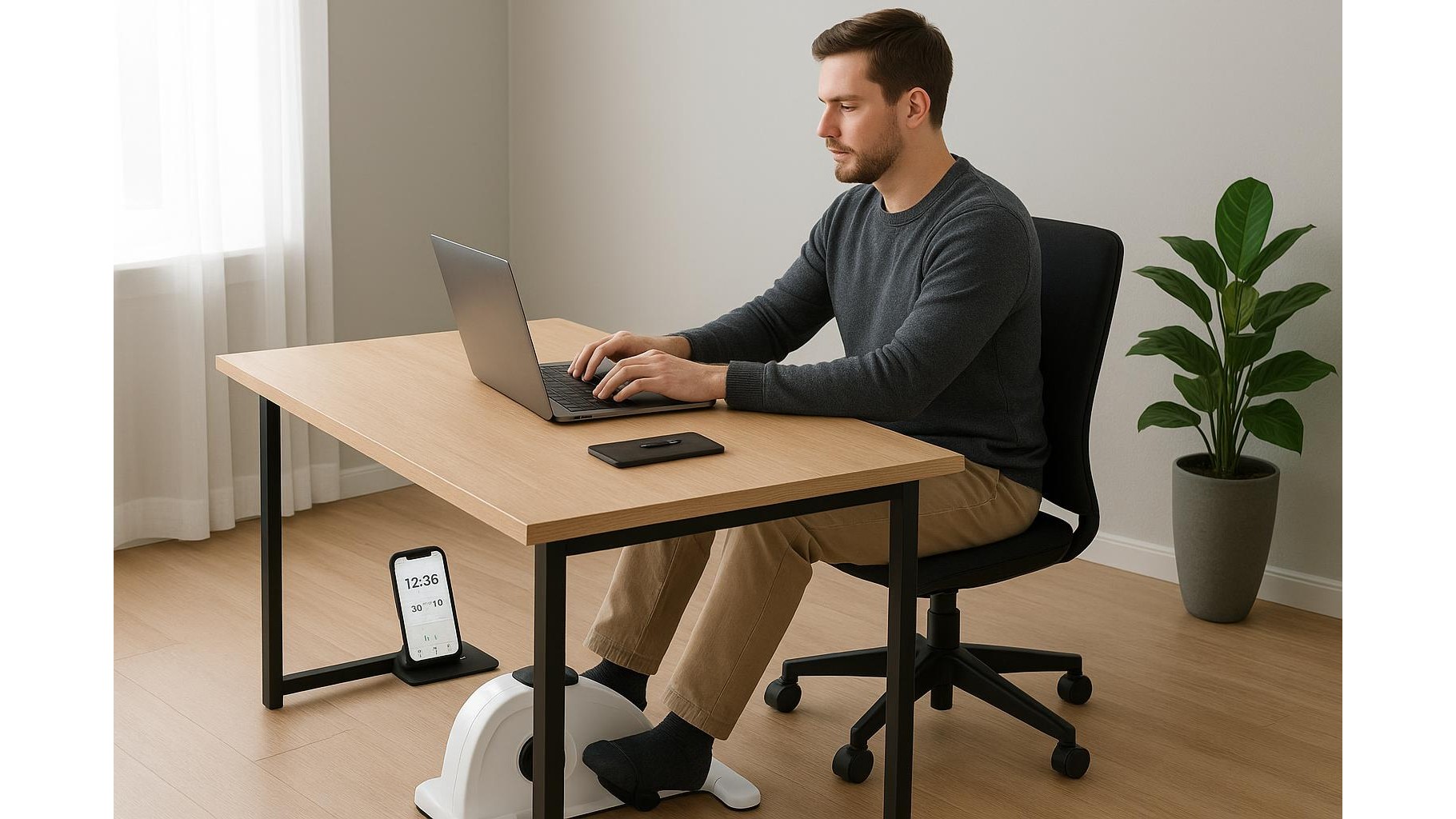
Compared with full‑size exercise bikes, under‑desk pedal exercisers are compact, affordable and easy to slide under almost any workstation. The addition of Bluetooth connectivity means you can log every minute of low‑intensity cardio to your smartphone, tablet or even smartwatch, helping you hit step or calorie goals without leaving your desk. When evaluating products similar to the DeskCycle 2 or the ANCHEER Under Desk Bike, you’ll see how integrated displays, cadence tracking and app support turn casual fidgeting into trackable active sitting. For remote workers who struggle to schedule workouts around meetings and deadlines, this makes fitting in regular light cardio far more realistic.
How to judge noise levels and resistance for under‑desk use
The biggest concern for home workers is usually noise. Look for magnetic resistance and a belt‑drive system, which are standard on better models and keep operation whisper‑quiet compared with older chain‑driven mini bikes. When browsing models like the DeskCycle 2 Under Desk Exercise Bike on Amazon, pay attention to reviews that mention using the bike during conference calls or in shared spaces – user feedback on hum, vibration and pedal smoothness is more revealing than any spec sheet. A wide resistance range (for example, 8 levels) is also important: low settings should feel effortless for long calls, while higher levels should provide a gentle burn without forcing you to rock in your chair or bang your knees against the desk.
Bluetooth tracking, apps and data you should expect
To truly “track your cardio”, a good under‑desk bike should offer Bluetooth that pairs reliably with popular fitness apps. Some mini bikes sync with proprietary apps, others with platforms like Kinomap, Zwift or generic health‑tracking apps that log time, speed, distance and calories. When evaluating product pages such as the ANCHEER Bluetooth Under Desk Cycle or similar, look at whether the app supports background logging (so your session continues to record during video calls), whether data can be exported to Apple Health or Google Fit, and how easily the bike reconnects after sleep. Check also if the console can run on battery alone or needs to be plugged in – battery‑powered consoles are simpler and quieter for minimalist setups.
Ergonomics: fit, posture and pedal comfort
A quiet, connected bike is useless if it does not fit under your desk properly. Measure the clearance from the floor to the underside of your desk and compare it to the bike’s maximum pedal height, often listed in the specs for models like the DeskCycle‑style units. Lower‑profile designs help prevent knee knock. Adjustable strap pedals keep your feet secure, especially when you’re focused on your screen rather than your legs. Look for a stable base with wide feet or non‑slip pads so the bike does not creep forward as you pedal. Finally, remember that posture matters: you should be able to sit upright, with your knees tracking straight and your hips level, avoiding twisted positions that can lead to strain over long days.
Integrating low‑intensity cardio into your workday
Once you have a suitable Bluetooth under‑desk bike, the next step is building sustainable habits. Start with short, low‑resistance blocks of 10–20 minutes during emails or recorded trainings, then extend to 60–90 minutes of gentle pedalling spread across the day. Use the companion app to set daily time or calorie targets, and leverage notifications or calendar reminders to prompt movement during long sedentary stretches. Many users pair their bike with a standing or adjustable desk, alternating between pedalling while seated and standing breaks. Over time, the logged sessions in your app provide a clear picture of how much extra NEAT (non‑exercise activity thermogenesis) you are adding to your routine, reinforcing the sense that every light session counts.
In summary, the best Bluetooth under‑desk bikes for home workers combine quiet magnetic resistance, a wide but smooth resistance range, reliable Bluetooth app integration and thoughtful ergonomics that suit your workspace. By focusing on noise levels, tracking features, fit under your desk and habit‑building tools like goals and reminders, you can turn otherwise sedentary hours into steady, low‑intensity cardio – and have every session recorded for long‑term motivation and progress.