
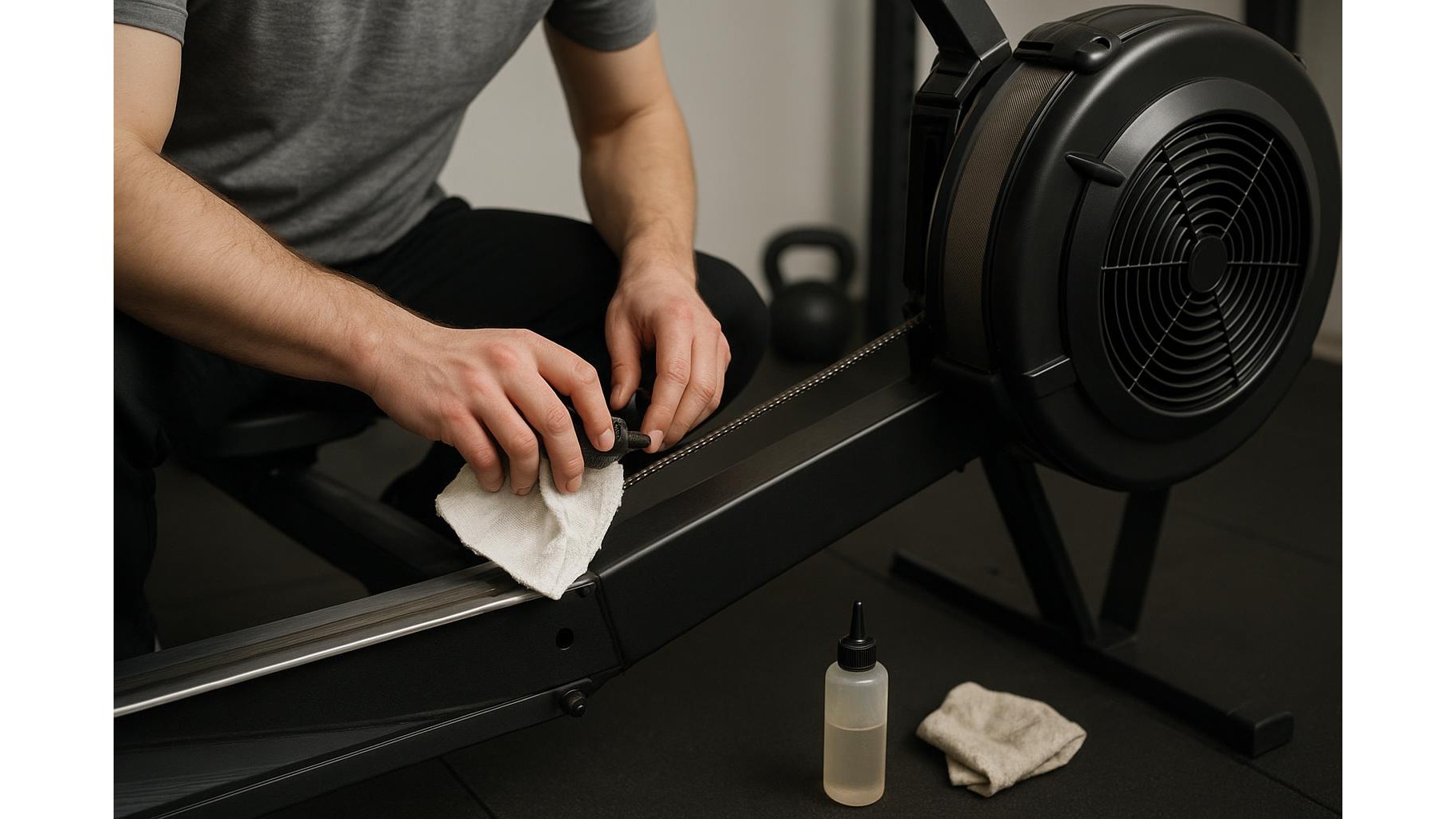
Keeping your air rower in top shape is easier than most home gym owners think. With a simple routine you can keep the chain running smoothly, the flywheel free from dust and the frame solid and rattle‑free. Regular home maintenance means less noise, less wear on moving parts and safer, more efficient cardio workouts. In this guide we’ll walk through practical, step‑by‑step tasks you can do in under 20 minutes, without special tools or mechanical skills.
Why regular air rower maintenance matters
An air rowing machine depends on a clean, well‑aligned chain and flywheel to deliver a smooth stroke. Dust, sweat and pet hair quickly collect on the fan cage and chain, increasing friction and noise. Over time this can lead to jerky motion, premature wear on the sprocket and even chain skipping during harder intervals. A basic weekly routine of wiping, checking screws and inspecting the chain protects your investment and keeps every stroke predictable, which is crucial for both interval training and steady‑state sessions. A quiet, smooth rower also makes it easier to train early in the morning or late at night without disturbing family or neighbours.
Cleaning dust, sweat and grime from the frame and flywheel
The first step is simple: keep your air rower clean and dry. After every workout, wipe the handle, seat, rail and footrests with a soft cloth lightly dampened with water and a mild detergent. Focus on areas that collect sweat, as salt is corrosive and can damage coatings over time. Once a week, unplug the machine if it has a monitor power supply, then carefully wipe the flywheel housing and fan blades through the vents using a dry microfiber cloth. Avoid spraying cleaners directly into the fan cage; excess moisture can reach the bearings. For stubborn grime on the rail, use a non‑abrasive cleaner and finish with a dry wipe so the seat rollers glide without sticking. Regular surface care keeps contaminants away from the moving parts that matter most.
Inspecting and protecting the chain and handle
The chain is the heart of your air rower’s drive system, so a quick inspection pays off. Once a week, pull the handle all the way out and look along the length of the chain under good light. You’re checking for rust, dry or shiny links, and any kinks. If you see orange spots or hear squeaking during strokes, it’s time to clean and lube. Run a dry cloth gently along the chain to remove old dirt, always supporting the handle so it doesn’t snap back into the housing. Inspect the handle connection point to ensure the fixing is tight and there are no frayed straps or cracked plastic. A well‑cared‑for chain not only feels smoother, it also lowers the risk of sudden failure during hard sprints and keeps your stroke length consistent from session to session.
Lubricating moving parts for a smoother, quieter stroke
To keep your air rower smooth and quiet, focus lubrication on the chain and the seat rail interface. Most manufacturers recommend a light, non‑sticky chain oil applied sparingly. After cleaning the chain, apply a small amount of oil to a cloth and run the chain through it several times as you pull the handle in and out; this helps avoid over‑lubrication, which can attract dirt. Wipe off any excess before rowing. On the rail, you usually do not want oil; instead, keep it clean and dry unless your manual specifies a particular lubricant. Check the seat rollers and hinge points on the footrests—if they squeak, a tiny drop of suitable lubricant on the axle (not on the rail surface) can help. Proper lubrication reduces metal‑on‑metal contact, cuts down rattling and extends the life of your rower’s drive system.
Checking bolts, footrests and monitor for safety
Mechanical safety checks are just as important as cleaning. Once a month, go over all visible bolts and screws along the frame with the correct tool, tightening any that feel loose but taking care not to overtighten. Pay particular attention to the footrests and straps, as these anchor your drive through the legs; worn straps or cracked plastic should be replaced promptly. Slide the seat along the full length of the rail and listen for grinding or flat spots—these may indicate debris in the rollers. Confirm that the rower sits firmly on the floor without wobbling; adjust the end caps or levelers if needed. Finally, check that the performance monitor powers up correctly, buttons respond and cables are not pinched. A solid, rattle‑free structure lets you focus on technique instead of wondering if a part will fail mid‑row.
By building a simple routine of cleaning, inspecting, and lubricating your air rower, you’ll keep the machine running smoothly and quietly for years. Wiping sweat after each session, dusting the flywheel, caring for the chain and checking bolts all take just minutes, but they dramatically reduce wear and unexpected breakdowns. A well‑maintained air rowing machine feels better to use, encourages consistent training and helps you get more value from your home gym setup. Make these steps a regular part of your week and your air rower will reward you with safer, more efficient workouts every time you strap in.









