Dialling in your home gym outfit is about more than looking the part. The wrong layers under your lifting belt, knee sleeves and wrist wraps can cause chafing, pinching and sweat build–up that cut sessions short. The right fabrics, fits and hygiene habits keep your skin healthy, your gear fresher for longer and your focus where it belongs: on lifting.
Base layers under lifting belts
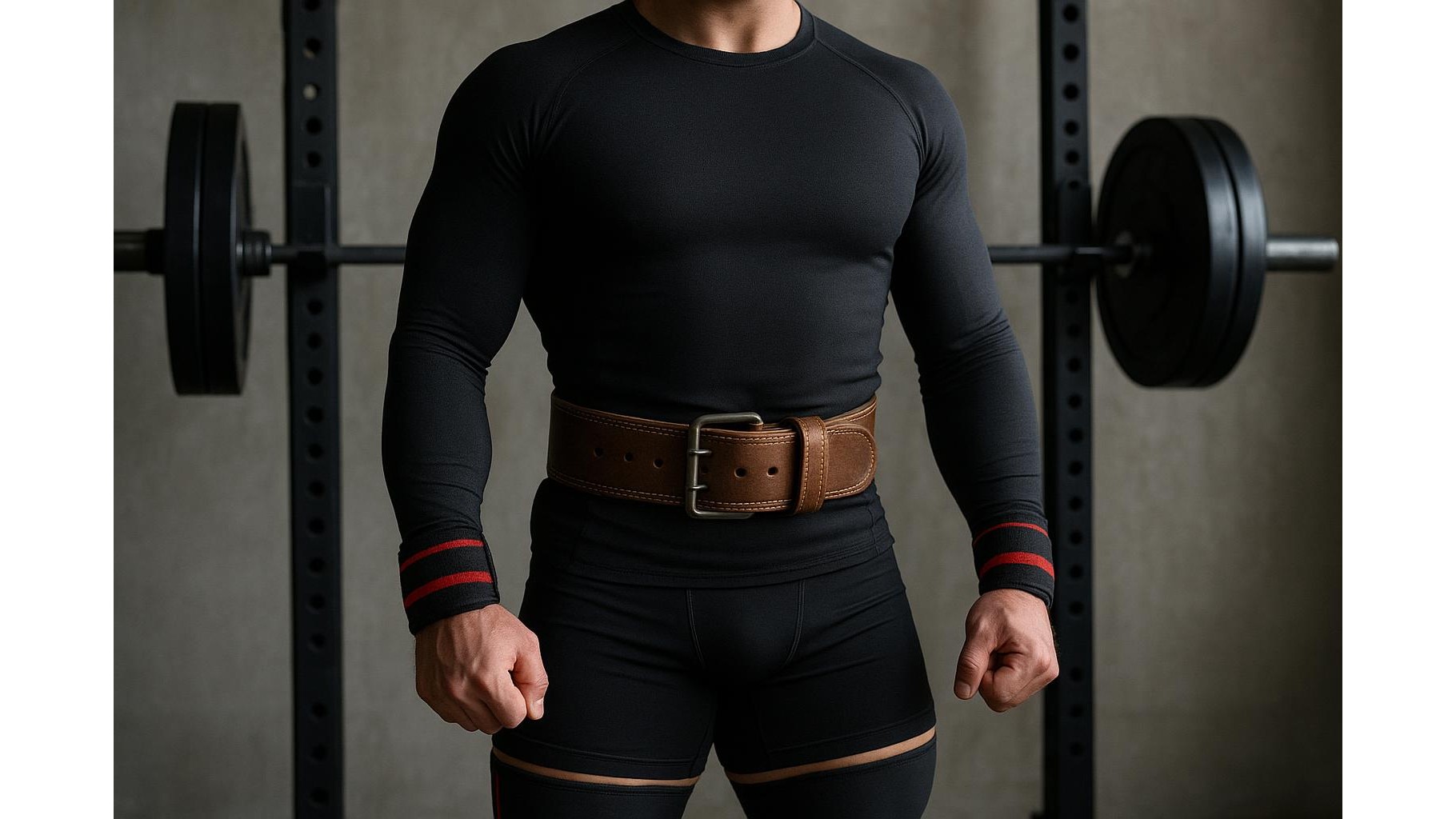
Under a weightlifting belt you want a smooth, non‑bulky layer that won’t fold or rub as you brace. A fitted compression top or a snug, light T‑shirt in polyester or nylon blend works well because these fibres wick sweat and dry quickly. Avoid thick seams, zips or pockets in the belt area, and skip loose cotton that can bunch up and cause hot spots on heavy squats and deadlifts. If you prefer to lift in a crop top or sports bra, consider high‑waisted leggings or shorts so the belt sits on fabric, not bare skin, to minimise redness along the hip bones.
What to wear with knee sleeves
Knee sleeves trap heat to keep joints warm, so sweat build‑up is inevitable. Most lifters wear them directly on the skin for the most secure grip, but pairing them with thin, moisture‑wicking leggings can work if the fabric is smooth and not slippery. Look for a close, second‑skin fit so there’s no fabric fold at the back of the knee. If you train in shorts, choose ones that end above the sleeve or that are wide enough not to dig into the top band. After training, peel sleeves off as soon as possible and wash or air them out to keep bacteria and odour under control.
Best fabrics to reduce chafing and pinching
The fabrics you choose under belts, sleeves and wraps make a huge difference. Synthetic performance blends (polyester, nylon, elastane) are best for home workouts because they wick sweat and keep their shape under pressure. Light merino wool can also work in cooler climates thanks to its odour‑resisting properties. Pure cotton feels soft at first, but once saturated it stays damp, increases friction and can lead to chafing under pressure points like the iliac crest and back of the knees. Prioritise flatlock seams, tag‑free designs and smooth waistbands so nothing digs in under your belt or sleeves as you move through sets.
Fitting your outfit to your body type
Different body types need slightly different approaches. If you have a shorter torso, avoid very long tops that bunch up under the belt; opt for mid‑length or tuck a fitted shirt smoothly into your shorts or leggings. Lifters with a larger midsection usually do better with high‑stretch fabrics that won’t roll when the belt is tightened. For thicker thighs and calves, choose leggings and socks with a generous amount of elastane so they don’t cut off circulation under knee sleeves. Whatever your shape, aim for a snug but not strangling fit: clothing should move with you without leaving deep marks after your session.
Hygiene and maintenance in your home gym
Because home gyms often have less ventilation, hygiene matters even more. Rotate at least two sets of base layers so you never reuse a damp shirt or leggings under your belt or sleeves. Wash clothing after every sweaty session, and air out knee sleeves and wrist wraps thoroughly; many can be hand‑washed in mild detergent, then left to dry completely before the next workout. Wipe down your belt’s inner surface regularly, and shower soon after tough sessions to reduce the risk of sweat rashes where gear presses hardest. With smart fabric choices, good fit and solid cleaning habits, your support gear will feel better, last longer and help you lift more comfortably at home.
Choosing the right layers under your lifting belt, knee sleeves and wrist wraps is a small change that delivers big comfort. Focus on moisture‑wicking fabrics, a streamlined fit tailored to your body type and consistent hygiene, and your home workouts will feel smoother, safer and more enjoyable.