Choosing the right size in gender-neutral home workout clothes can feel confusing. Unisex labels promise simplicity, but bodies are diverse: shoulders, hips, chest and height all influence how a garment fits. When you buy tops, bottoms and layers online, a smart approach to fit and sizing is essential to avoid returns, discomfort and wasted money. This guide explains how unisex sizing works, how to read size charts, and how to adjust your choices for different body shapes so your home workouts feel comfortable and supported.
How unisex sizing really works
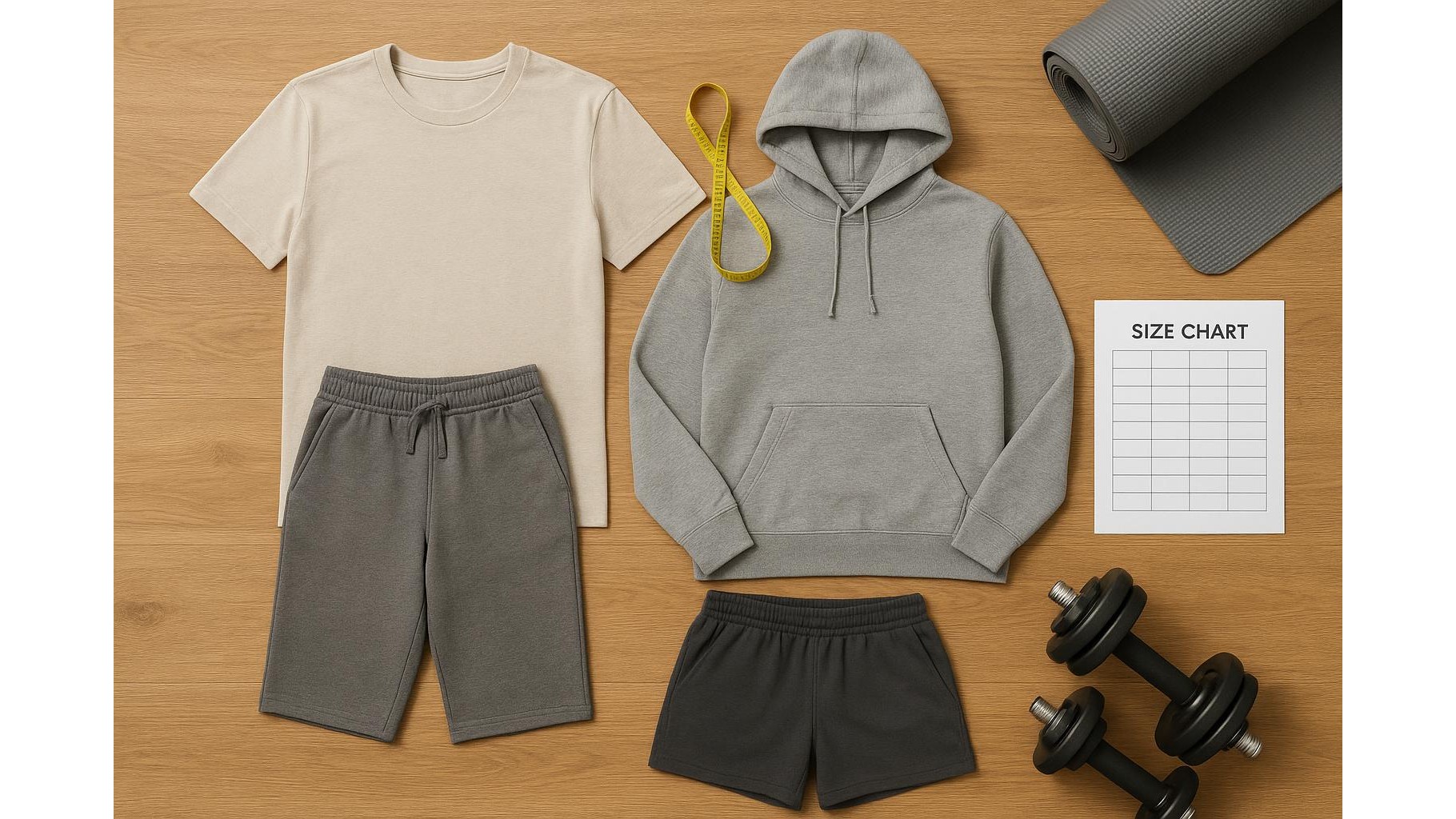
Most unisex workout clothes are built on a pattern close to a traditional men’s fit: broader shoulders, straighter sides and more room in the crotch and thighs. That means people with narrower shoulders or more pronounced hips may find unisex garments tight in some areas and loose in others. Instead of trusting the generic “S, M, L” on the label, always hunt for the measurement-based size chart. Look for chest, waist, hip and inseam numbers in centimetres and compare them to your body. If the brand notes that a style is “relaxed”, “regular” or “slim”, use that information: relaxed unisex fits suit curvier or more muscular builds, while slim cuts are better if you prefer a closer-to-body feel for activities like yoga or Pilates.
Measuring your body for unisex tops
For unisex workout tops like T-shirts, tanks and long-sleeve layers, the critical numbers are chest and shoulder width. Stand straight and measure around the fullest part of your chest, keeping the tape snug but not tight. Then measure shoulder width from the end of one shoulder bone to the other across your back. When you compare to a size chart, prioritise chest first: if you are between sizes, size up for a relaxed home-workout feel and down if you want compression or layering under a hoodie. If you have a fuller bust or very narrow shoulders, consider that a unisex top that fits your chest may look boxy at the shoulders; in that case, a slightly shorter length or a “slim” cut in the same chest measurement often gives a cleaner silhouette for everyday wear between sessions.
Dialling in fit for unisex leggings, shorts and joggers
Bottoms are where many people struggle with unisex sizes. For joggers, shorts and leggings, always check waist, hip and inseam measurements. Measure your natural waist (just above the navel) and the fullest part of your hips. If your hips are proportionally bigger than your waist, choose your size based on hips and rely on a drawstring or elastic waistband to adjust the waist. For those with straighter figures, the waist and hip numbers may be closer, so a regular unisex cut usually works well. If you are very tall or very petite, inseam length matters: a unisex “regular” inseam may bunch at the ankle or sit too high on the calf. For home workouts this is more a comfort than a style issue, but excessive fabric can catch on equipment, while a too-short inseam can ride up during deep squats or lunges.
Layering with unisex hoodies and jackets
When buying unisex hoodies, zip jackets or warm-up layers online, think about what you will wear underneath. Take the chest measurement you use for T-shirts and add 5–10 cm if you plan to layer over a base layer or sports bra and a tank. Many unisex hoodies have generous sleeves and a boxier torso, which is ideal if you like a cosy, oversized feel during warm-ups and cool-downs. However, if you have narrow shoulders or a shorter torso, look for styles described as “trim” or “tailored” and check garment length in the size guide so the hoodie does not overwhelm your frame. A good rule: you should be able to raise your arms overhead without the hem lifting too high or the sleeves pulling tight across your back – a key test for comfortable home strength and mobility work.
Common mistakes to avoid when buying unisex workout clothes online
The most common error with gender-neutral fitness apparel is buying your usual “men’s” or “women’s” size without checking the chart. Another is ignoring reviews where users with similar height and weight share fit feedback; these comments often highlight if items run small in the shoulders or large in the waist. Avoid relying only on letter sizes: always confirm the centimetre measurements. Be cautious with compressive styles labelled unisex: if you are between sizes or have curvier hips or chest, choose the larger size for comfort. Finally, remember that different brands define unisex differently. Whenever possible, measure an existing, well-fitting top or pair of joggers at home and compare those garment measurements to the online product details – this is more reliable than guessing from body weight or height alone.
In summary, getting the right fit in unisex home workout clothes is about translating your unique body measurements into the brand’s size language. Focus on key areas – chest and shoulders for tops, waist, hips and inseam for bottoms – and use measurement-based charts instead of guessing by S, M or L. Adjust your choices based on whether you prefer a relaxed or snug feel and how you plan to layer pieces for different home workouts. With a few minutes spent measuring and comparing, gender-neutral sizing becomes an advantage rather than a risk, helping you build a comfortable, versatile workout wardrobe that supports every session.