Managing sweat is one of the least glamorous but most important parts of training in a home gym. If perspiration is constantly dripping into your eyes during cardio, yoga or strength training, your form and focus suffer. The right combination of headbands and wrist sweatbands can keep you dry without making you feel hotter or suffocated. This guide walks you through fabrics, fit, absorption and washing so you can pick the best options for your home workouts.
Table of contents
Why sweat control matters for home training
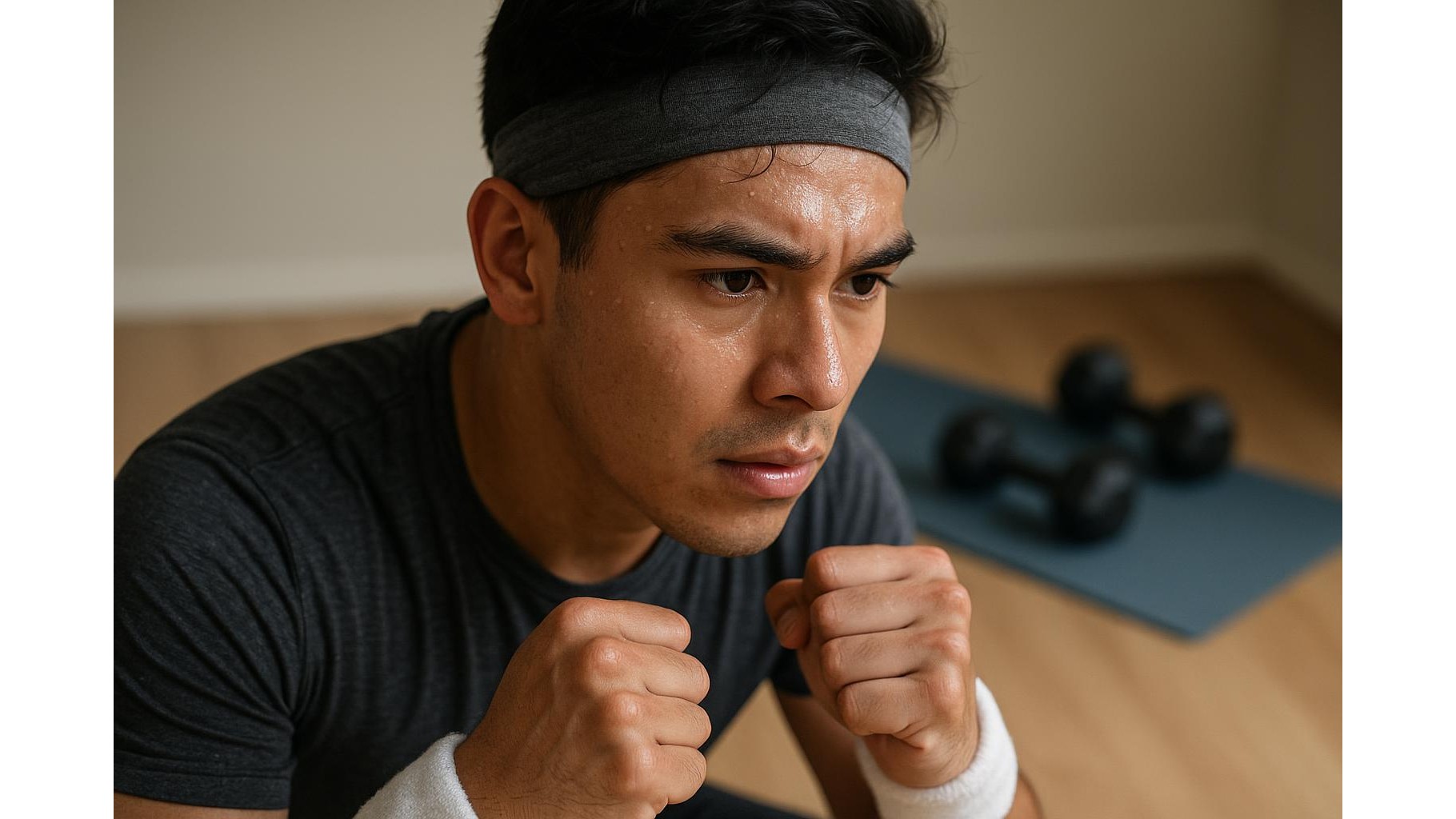
At home, you often train in smaller, less ventilated rooms where heat and humidity build quickly. That makes sweat management more important than in a commercial gym. A good sports headband keeps sweat from rolling into your eyes during HIIT circuits, indoor cycling or kettlebell swings, while soft wristbands let you quickly wipe your face between sets. Staying dry helps maintain grip on dumbbells and yoga mats, and reduces the urge to constantly touch your face. For people who wear glasses, a grippy headband can also stop frames sliding down your nose mid-set.
Choosing fabrics: cotton vs synthetics vs blends
The fabric of your sweatband determines both absorption and how hot it feels. Classic terry cotton wristbands are extremely absorbent and ideal for heavy sweat, but they soak up moisture and can feel damp in long sessions. Modern synthetic headbands, typically polyester and elastane, use moisture-wicking technology to pull sweat away from the skin and dry quickly, making them great for intense cardio. Blended fabrics combine cotton’s softness with synthetics’ quick-drying properties, balancing comfort and performance. For hot rooms or home yoga, a thin, breathable synthetic headband is usually better than a thick cotton band that traps heat.
Finding the right fit and style
A headband that slips, pinches or feels restrictive will end up in a drawer. Look for a snug but comfortable fit that stays in place during jumping jacks, burpees and downward dog. Wider bands offer more coverage and absorb more sweat across the forehead, while narrower elastic bands are lighter and cooler but suit lighter perspiration. Some models include silicone grip strips on the inside to resist movement without needing to be tight. For wrist sweatbands, make sure the elastic is firm enough not to slide but not so tight that it leaves deep marks. If you train daily, consider buying a multipack so you always have a dry pair ready.
Absorption, breathability and overheating
The goal is to keep sweat out of your eyes without feeling like you are wearing a winter hat. Look for products advertised as breathable and lightweight, with mesh zones or thinner profiles. For high-sweat activities such as treadmill sprints or rowing, prioritise bands with high absorption capacity and fast drying, so they do not become waterlogged mid-workout. If you mainly do yoga, Pilates or mobility work, a slim, low-profile headband may be enough to manage mild perspiration without raising your temperature. It can help to keep a small towel nearby and use wristbands as a first line of defence, reserving the headband for the most intense sessions.
Care, washing and hygiene
Because sweatbands sit directly on your skin and soak up sweat, proper washing is essential. Check labels, but most cotton and synthetic headbands can go into a cold machine wash with similar colours. Avoid fabric softeners, which can reduce moisture-wicking performance and leave residue. Always air dry to protect the elastic. For heavy sweaters, having at least three or four headbands and wristbands lets you rotate them and avoid reusing damp gear. Regular washing prevents odour and bacterial build-up, making your home gym feel cleaner and more inviting.
Building your ideal sweat-control kit
To manage sweat efficiently, think in terms of a small sweat-control kit rather than a single item. A good starting setup includes a thin, moisture-wicking headband for high-intensity days, a softer, thicker band for cooler seasons or long strength sessions, and a few pairs of wrist sweatbands for quick wipes. Store them with your favourite home workout accessories so they become part of your routine. Over time, pay attention to which pieces you reach for most often and duplicate those, so you never have to skip a set just to dry your eyes.
Managing sweat is a small adjustment that has a big impact on comfort and performance in your home workouts. By choosing the right fabrics, ensuring a secure but comfortable fit, optimising breathability and taking care of hygiene, you can keep sweat out of your eyes without overheating. Build a simple, reliable sweatband setup and you will focus more on your reps, your breath and your progress, instead of constantly fighting dripping sweat.