Sustainable home workout apparel no longer means choosing between eco‑values and performance. Today you can train in fabrics that reduce environmental impact while still delivering sweat management, stretch and durability for intense home gym sessions. Understanding the differences between recycled fibres, organic cotton, bamboo blends and bio‑based polyesters helps you build a kit that feels good on your skin and aligns with your lifestyle.
Understanding eco-friendly performance fabrics
When you shop for sustainable workout clothes, start by checking fibre content. Look for recycled polyester or nylon made from post‑consumer bottles or textile waste – these deliver the same sweat‑wicking, fast‑drying performance as virgin synthetics but with a lower carbon footprint. Organic cotton avoids synthetic pesticides and usually uses less water, making it a better everyday training option, especially for low‑intensity or strength sessions. Bamboo‑derived viscose and bio‑based polyesters promise softness and moisture management, but you should also look for credible certifications (like GRS, GOTS or OEKO‑TEX) and clear information from brands about sourcing and dyeing. Balancing these factors ensures you don’t sacrifice comfort or performance for greenwashing.
Recycled leggings that still wick and stretch
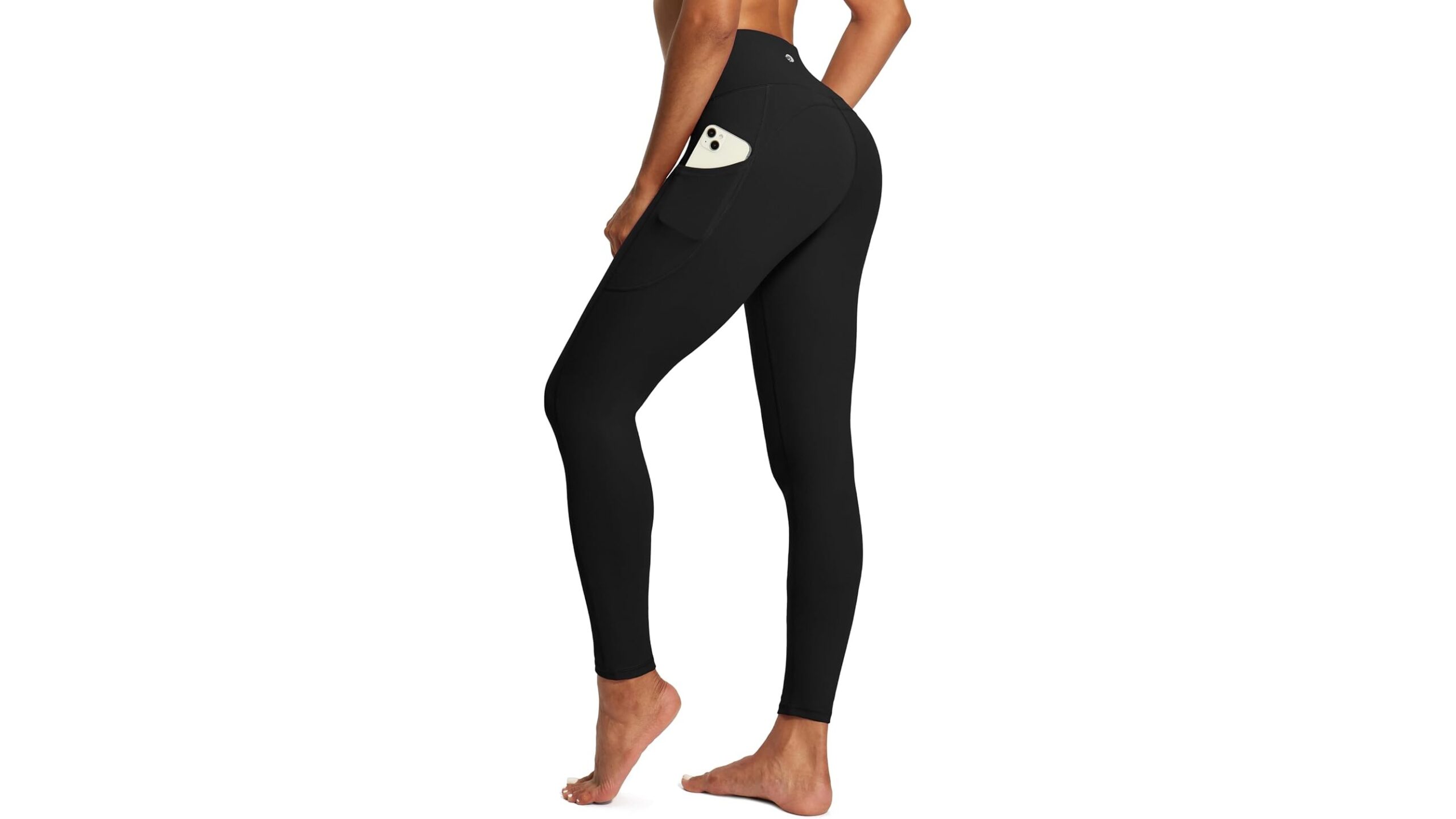
Leggings are the backbone of any home workout wardrobe, so choosing a pair that combines eco‑conscious materials with solid performance is key. Models like the IUGA Yoga Pants with Pockets, Workout Running Leggings for Women show what to look for: a soft, non‑shiny knit with reliable four‑way stretch, opaque coverage for squats and lunges, and side pockets for your phone and keys. Reviewers highlight how the fabric feels smooth rather than “nylony”, keeps its shape over time and washes well at low temperatures, which also supports sustainable garment care. For an eco‑aware choice, prioritise brands that mention recycled content, avoid overly rigid compression that may reduce longevity, and choose classic colours you’ll wear for years.
Moisture-wicking tops with lower impact
Your top is your first line of defence against sweat build‑up, especially in a warm home gym. Synthetics still dominate here, but you can choose more responsible versions. The ZITY Long Sleeve T Shirts for Men 5 Pack UPF 50+ Sports Gym Top is a good example of performance‑oriented design: lightweight fabric with strong moisture‑wicking, quick drying behaviour and UPF 50+ sun protection that works for balcony workouts or garden circuits. For better sustainability, look for tops that blend recycled polyester with organic cotton or that are certified for reduced chemical use. A close‑but‑not‑tight fit maximises breathability, while long sleeves add versatility across seasons so you buy less often and wear longer – a crucial, often overlooked pillar of sustainable fitness fashion.
Bamboo-soft comfort for yoga and low impact sessions
For yoga, Pilates or recovery days at home, ultra‑soft fabrics can make a big difference to how relaxed you feel. Pieces like the CRZ YOGA Butterluxe Women’s Capri Workout Leggings showcase the kind of buttery texture many bamboo and bio‑based polyester blends aim for. Users praise their gentle stretch, variety of lengths and non‑slip waistband – features that matter in long poses and floor work. When you consider bamboo‑rich items, remember that the plant itself is fast‑growing, but turning it into viscose can be resource‑intensive. Prioritise brands that state closed‑loop processing or hold environmental certifications, and treat these ultra‑soft leggings as your go‑to for low‑abrasion workouts to extend their life and minimise microfibre shedding.
How to read labels and avoid greenwashing
To truly choose eco‑friendly gym wear, you need to read beyond marketing slogans. Check the care label for exact fibre percentages: aim for high levels of recycled content where synthetics are needed, and prefer organic cotton or TENCEL/Modal for lighter sessions. Look for third‑party certifications rather than vague claims like “eco” or “natural”. Consider the entire garment: durable stitching, reinforced seams and timeless styling reduce replacement frequency. Also think about end‑of‑life: mono‑material pieces (e.g. 100% recycled polyester) are easier to recycle than complex blends. Finally, remember that washing at lower temperatures, air‑drying and using a microfibre filter bag are practical steps that further cut the footprint of your home workout apparel.
Building a minimal, high-performing sustainable kit
The greenest wardrobe is the one you use fully, so build a compact, purposeful home gym clothing rotation instead of chasing constant newness. A smart setup might include: one pair of durable, squat‑proof recycled leggings for high‑intensity training; one ultra‑soft pair for yoga and rest days; two or three moisture‑wicking tops (short or long sleeve) that layer well; and a couple of organic‑cotton tanks or tees for casual sessions. Choose neutral colours that mix and match with existing pieces, and resist fast‑fashion hauls in favour of considered purchases like the products mentioned above. Over time, this approach reduces waste, supports better brands and ensures every item in your drawer delivers both sustainability and genuine performance during your home workouts.
In summary, sustainable home workout apparel is about informed trade‑offs, not perfection. By prioritising recycled synthetics where sweat management and stretch really matter, organic or plant‑based fibres for comfort, and certified production standards, you can create a training wardrobe that respects both your body and the planet. Read labels carefully, favour durability over trends, care for your clothes gently and add new pieces only when they truly enhance your home sessions. The result is a lean, reliable kit that performs every time you press play on your next workout.