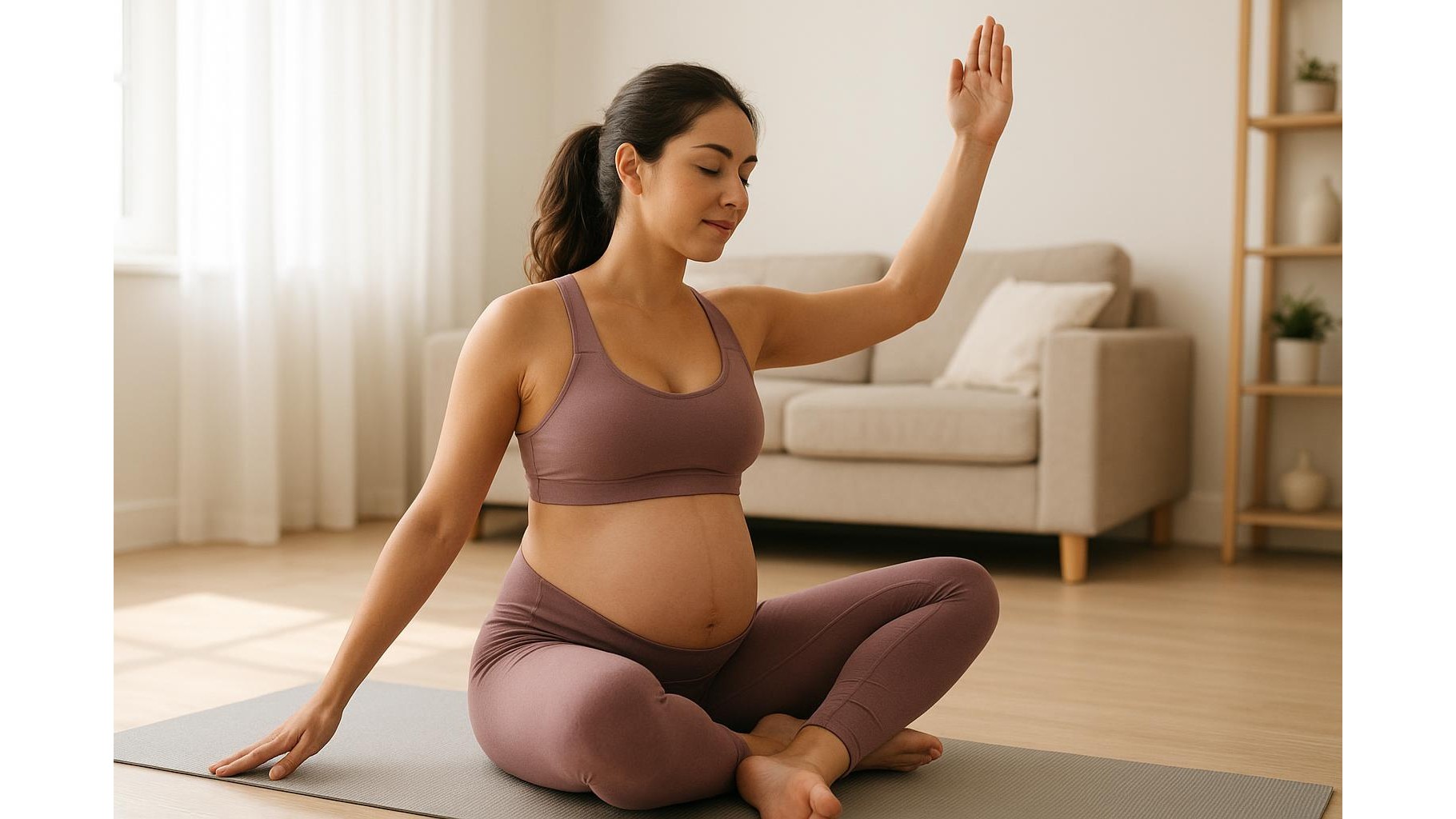
Staying active at home during pregnancy calls for a maternity sports bra that balances firm support with all‑day comfort. As your body changes from trimester to postpartum, a standard sports bra can start to feel restrictive, rub in the wrong places or simply stop fitting. Choosing the right bra is about more than size: you need smart adjustability, breathable fabrics and, if you plan to breastfeed, easy nursing access. This guide walks you through the key features to look for so you can enjoy home workouts without distraction.
Understanding support levels for pregnancy workouts
During pregnancy, your chest becomes heavier and more sensitive, so the first decision is the right level of support. For low‑impact home sessions such as prenatal yoga, Pilates or stretching, you can usually opt for a light to medium‑support maternity sports bra with soft cups and a wide under‑band. For faster walks on the treadmill, indoor cycling or body‑weight circuits, a high‑support maternity bra is safer for your ligaments and more comfortable over time. Look for features like a broad, elastic under‑band that doesn’t dig in, double‑layered cups and a racerback or cross‑back design that anchors movement. Avoid rigid underwires; instead, choose wire‑free designs with molded cups that lift without pressing on breast tissue.
Adjustability and fit as your body changes
The most important feature in a pregnancy sports bra is how well it adapts to weekly body changes. Prioritize bras with multiple hook‑and‑eye rows at the back and fully adjustable straps so you can loosen or tighten as needed. A wide back closure spreads pressure evenly and sits flat against the skin, avoiding the bulges that fixed‑band bras can cause in later trimesters. Stretchy but supportive side panels allow room for your rib cage to expand, while maintaining a secure hold during home workouts. When you try on a bra, make sure the band sits level all the way around and you can slip only two fingers under it. Cups should fully contain breast tissue without spillage at the top or sides, and there should be no rubbing along the seams when you raise your arms or perform overhead moves.
Nursing access for seamless postpartum training
If you plan to breastfeed and want to keep up home training, choosing a maternity sports bra with nursing access will save you time and frustration. Many nursing‑friendly sports bras use drop‑down cups with clips at the top of the straps: you simply unclip, feed, then clip back into place. Others integrate a pull‑aside front panel or overlapping layers that you can slide aside one‑handed. For practical use, test the clips or panels to see if they can be opened and closed while holding a baby. Inside, look for soft inner slings that support the breast during feeding and keep you covered. For hygiene, removable pads are useful: they help absorb leaks and can be taken out to wash or to make the bra feel less bulky for low‑impact sessions.
Fabric choice, breathability and skin comfort
Hormonal changes can make skin more sensitive, so the best maternity sports bras for home workouts use breathable, moisture‑wicking fabrics. A blend of soft polyester or nylon with elastane provides stretch and shape‑retention, pulling sweat away from the skin during living‑room cardio or strength circuits. Prioritize seamless or flat‑seamed designs around the under‑band and straps to minimize chafing, especially as the bra fits more snugly later in pregnancy. Inside, a smooth, brushed lining feels comfortable against sensitive nipples and reduces irritation during longer wear. If you tend to overheat, look for mesh panels at the back or between the cups to improve airflow. At home you may wear the bra for hours, so comfort while sitting, working and resting is just as important as performance during the workout itself.
Practical tips for choosing and using your maternity sports bra
When shopping, it helps to think practically about your home‑workout routine. If you mix yoga with light cardio, a medium‑support maternity bra with a racerback and adjustable band usually covers both. For heavier builds or more intense intervals, aim for a high‑support, compressive style that still stretches enough to accommodate growth. Try on bras later in the day, when slight swelling is more noticeable, and move around: perform a few squats, arm circles and gentle jumps to check for bounce and rubbing. Owning at least two or three bras allows you to rotate them and always have a dry option ready. Wash them in cool water, avoid fabric softeners that break down elastic, and let them air‑dry to preserve support. Listening to your body is key: if the bra leaves marks, causes soreness or makes you short of breath, it is too tight and should be adjusted or replaced.
Choosing the right maternity sports bra for home workouts means balancing support, adjustability, nursing‑friendly features and gentle fabrics. As your shape changes through pregnancy and into postpartum, a flexible, well‑designed bra allows you to move confidently without chafing or compression in the wrong places. By focusing on fit, breathable materials and practical access for feeding, you create a comfortable base layer that supports both your training goals and your everyday life at home.