Building a reliable home gym setup is not just about barbells and benches. What you wear under your loose joggers makes a huge difference to comfort, confidence and range of motion. A good pair of lightweight base-layer shorts keeps you covered during deep squats, hip hinges and floor work, while managing sweat and reducing irritation. Below you’ll find practical guidance on fit, fabrics, seams and ride-up, plus examples of features to look for when you shop on Amazon.co.uk.
Table of contents
Why base-layer shorts matter for home strength training
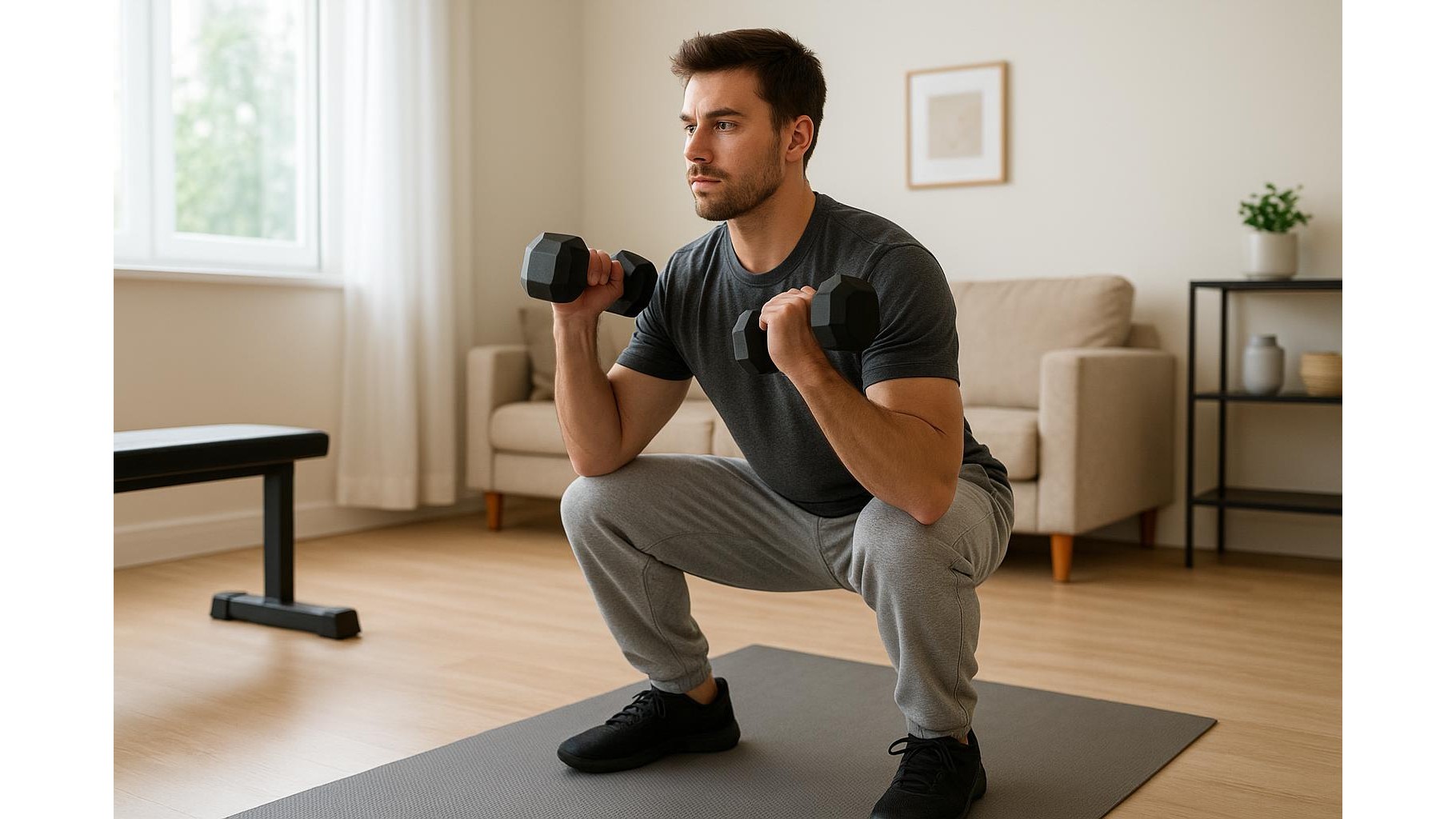
When you train at home, you move freely: deep squats, kettlebell swings, hip thrusts, push-ups, Turkish get-ups. Loose joggers or sweatpants are comfortable, but they can ride down or flap open, especially during hip hinge patterns. Base-layer shorts act like a second skin, providing discreet coverage so you never have to worry about exposure in a narrow stance squat or when stretching on the floor. Thin, compressive shorts also help keep your quads and glutes warm, which many lifters find helpful for joint comfort in cooler rooms. Crucially, a good base layer should be lightweight, breathable and barely noticeable under your outer pants so you can focus on your lifts rather than your clothing.
Choosing the right fit and length under loose joggers
Fit is the first thing to get right. Look for snug, body-hugging shorts with enough stretch to move in all planes without digging in. If they are too loose, the fabric will bunch and roll; too tight and you will feel restricted around the hips and thighs during lunges and split squats. For most people, an 8–10 inch inseam works well to stay under standard joggers and avoid the legs creeping up into the groin. If your outer pants are particularly baggy, a slightly longer inseam can help keep everything anchored. Prioritise a soft, wide waistband that sits comfortably above your hip bones; this helps the shorts stay in place when you brace hard for deadlifts or overhead presses. Check size charts and, if in doubt, size according to your waist and hip rather than only your usual jeans size.
Breathable fabrics that stay cool in a home gym
For home strength training, your base layer should manage heat and sweat efficiently, especially if you train in a compact room or garage gym. Lightweight blends of polyester and elastane (or nylon and elastane) are ideal: they wick moisture away from the skin and dry quickly between sets. Avoid heavy cotton shorts, which tend to get damp, clingy and slow to dry during repeated sets of squats or high-rep kettlebell work. Look for terms like quick-dry, moisture-wicking and breathable mesh panels in the product description. Some models also include anti-odour treatments, useful if you train daily and don’t want to wash your base layer after every single session. Thin, four-way stretch fabric ensures that even when you drop into a full-depth goblet squat, the shorts flex with you rather than fighting your movement.
Seam placement and comfort during squats and floor work
Seam design can make or break how comfortable your base-layer shorts feel during strength work. Seek out shorts described as “flatlock seam” or “chafe-free”, which use low-profile stitching that lies flat against the skin. This is particularly important along the inner thigh and around the glutes, where repeated friction from squats, hip thrusts and glute bridges can otherwise cause hot spots. A gusseted crotch or ergonomic panel around the groin adds room for deep hip flexion and reduces seam pressure when you sit back into deadlifts or perform ab work on the floor. Inside leg seams that are shifted slightly forward or backward – rather than sitting exactly on the inner thigh – can help minimise rubbing during walking lunges or step-ups. Before your first heavy session, try a few bodyweight squats and hip hinges at home to check that no seam is digging in.
How to reduce riding up and rolling during heavy movement
Nothing is more distracting than shorts that constantly ride up. To minimise this, combine the right size with specific construction details. A compressive fit with a moderate level of stretch helps the fabric cling to your thighs without feeling like a tourniquet. Look for a shaped leg opening and a slightly longer inseam, which give the material more surface area to grip. Some designs use a subtly tighter band around the hem to resist rolling without cutting into the skin. Avoid very slick fabrics under equally slick jogger linings, as this can encourage sliding; a matte finish tends to stay put better. During shopping, pay attention to customer comments about “staying in place” during running, HIIT or lifting – this is a strong indicator that the shorts will perform well for squats, hinges and core circuits on your living room floor.
Putting it all together in your home workout wardrobe
To build a practical home workout wardrobe, start with one or two pairs of lightweight, breathable base-layer shorts that you can rotate through the week. Pair them with your favourite loose joggers or tapered sweatpants so you get the best of both worlds: relaxed outerwear with secure, close-fitting coverage underneath. Keep colours simple – black, navy or charcoal tend to stay discreet under lighter fabrics – and prioritise performance over logos. Wash your base layers on a gentle cycle and avoid heavy fabric softeners, which can reduce moisture-wicking performance. With the right shorts in place, you’ll be able to move confidently through every rep, from your heaviest deadlift to simple mobility drills, without ever thinking about exposure or discomfort.
By investing a bit of thought into fit, fabric, seam placement and anti–ride-up design, your base-layer shorts become a quiet but essential part of your home strength training toolkit. You’ll stay covered under loose joggers, stay cooler in your home gym and stay focused on lifting better, not on adjusting your clothes between sets.