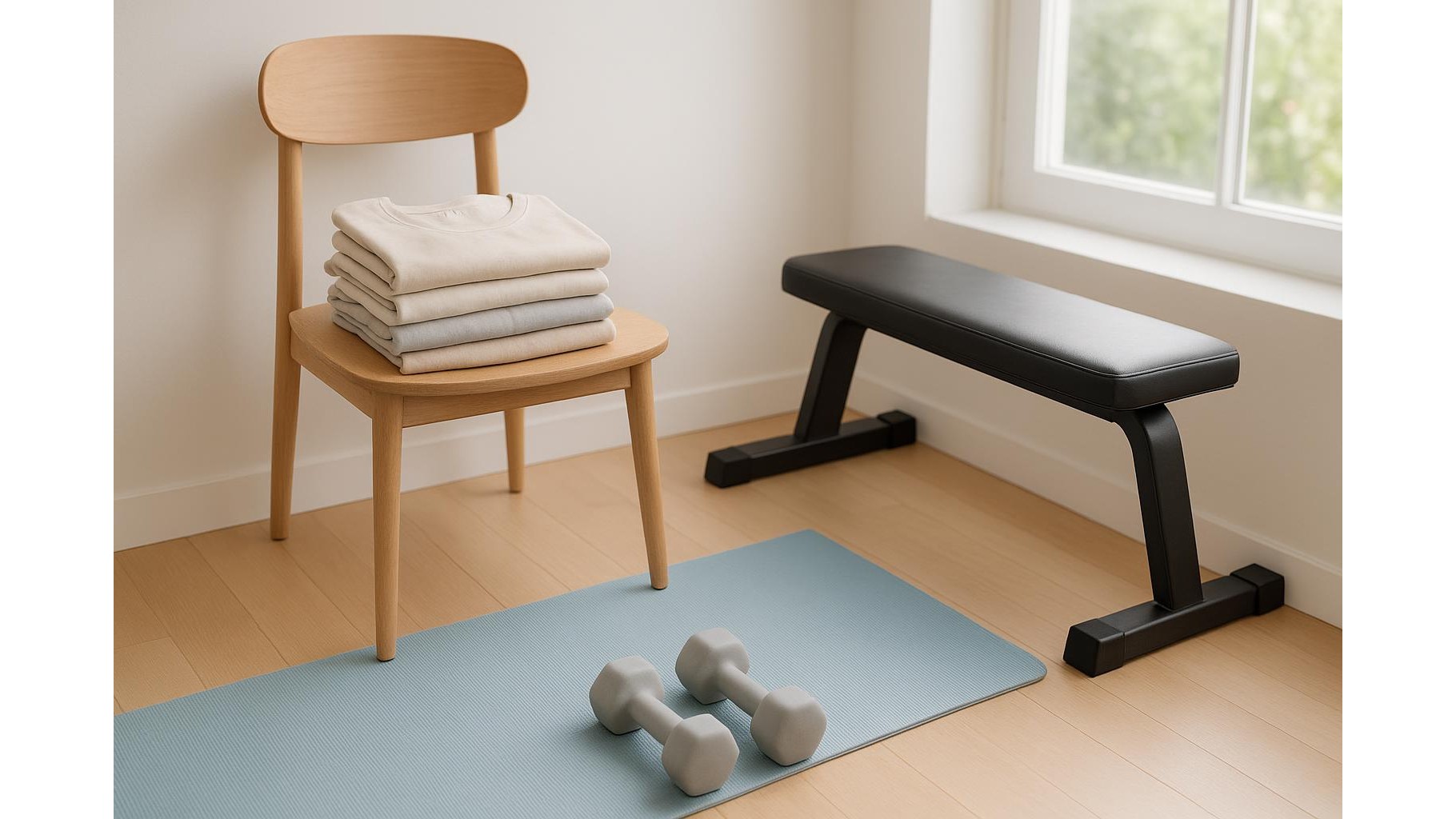
Building a home gym is exciting, but if you live with eczema, contact allergies or chronic skin irritation, the wrong outfit can turn every session into a flare‑up. Heat, sweat and friction all intensify reactions to harsh dyes, rough fibres and aggressive detergents. Choosing truly hypoallergenic workout clothes – from shirts to leggings and even underwear – is essential to protect your skin barrier while you train at home.
Why sensitive skin reacts during home workouts
When you exercise in a home gym, your body temperature and sweat levels rise quickly, especially in smaller, less ventilated rooms. Standard synthetic gym wear often traps heat and moisture against the skin, creating the perfect environment for eczema flare‑ups, itching and contact dermatitis. Seams, labels and elastic waistbands add friction on already compromised areas. Fragranced detergents and fabric softeners used on tight‑fitting sports gear can introduce additional irritants. Understanding these triggers is the first step in choosing clothes that reduce, rather than amplify, stress on your skin.
Best fabrics for hypoallergenic workout tops
For home sessions, prioritise breathable, natural fibres in your workout shirts and tanks. Organic cotton and bamboo viscose are favourites for sensitive skin because they are soft, allow air flow and absorb sweat without aggressive chemical finishes. Look for labels that specify GOTS‑certified organic cotton or Oeko‑Tex Standard 100 certification, which limits harmful substances. Avoid tops marketed as “cooling” or “anti‑odour” if they rely on chemical treatments or antibacterial finishes, as these can trigger reactions. Instead, choose looser fits with flat seams and tag‑free designs so sweat can evaporate and fabric doesn’t rub on hot spots like the neck, underarms and inner elbows.
Leggings and shorts that reduce friction and heat
Lower body garments can be a major source of chafing and irritation, particularly around the waistband, groin and behind the knees. For leggings and shorts, seek out soft, high‑cotton blends or bamboo‑rich fabrics with minimal elastane (just enough for stretch). Opt for wide, gentle waistbands rather than thin, tight elastic that digs into the skin. At home you rarely need compression gear, so there is no reason to wear ultra‑tight, plastic‑feeling synthetics unless your sport requires it. Flatlock or covered seams are crucial to prevent rubbing during squats, lunges and cycling sessions. If you are prone to sweat rashes, slightly cropped leggings or relaxed shorts that allow air circulation around the knees and thighs can be far more comfortable.
Underwear and base layers for eczema‑prone skin
Even the most skin‑friendly outer layers will not help if your underwear is rough, synthetic or heavily elasticated. For home training, choose seamless or low‑seam briefs and sports bras made from organic cotton or modal, avoiding lace, mesh and rigid bands. Prioritise designs that have encased elastics, so rubber does not sit directly on your skin. A simple, soft cotton bralette or supportive crop top can replace highly structured bras with hooks and underwires that dig in and trap sweat. If your eczema mainly affects areas under straps or bands, wearing a very light, longline cotton layer between your skin and your sports bra or waistband can reduce friction during longer home workouts.
Care, washing routines and practical home‑gym tips
Even the best hypoallergenic fabrics can cause issues if you treat them with harsh products. Wash all workout clothes with a fragrance‑free detergent and skip fabric softeners, which often leave irritating residues. Double‑rinse garments if you are highly reactive. After each home session, change out of sweaty clothes immediately and rinse your skin with lukewarm water before applying your usual moisturiser. Keep your home gym well ventilated or use a fan to reduce overheating. Finally, rotate between a few trusted outfits so you can wash them thoroughly and avoid wearing the same damp, bacteria‑laden pieces too often, which is a common trigger for folliculitis and contact dermatitis.
Choosing hypoallergenic workout clothes for home gyms is about respecting your skin as much as your training plan. By focusing on natural, breathable fabrics, low‑friction cuts and gentle washing routines, you can significantly reduce eczema, allergic reactions and general irritation. Building a small wardrobe of trusted shirts, leggings and underwear designed with sensitive skin in mind will make every home workout more comfortable, consistent and enjoyable – and that comfort is often the key to staying active over the long term.