If you train mostly at home, it is easy to ignore your workout shoes until they start to smell, flatten out or feel uncomfortable. Yet the way you wash and dry training shoes has a huge impact on how long their cushioning and support last. With a few simple routines and the right accessories, you can keep your favourite home gym shoes fresh, hygienic and responsive for far longer.
Know when your workout shoes actually need washing
Before you throw your shoes in the machine, check whether they need a full wash or just a quick refresh. If the upper is only lightly dusty from home workouts on mats or flooring, often a wipe with a damp cloth and mild soap is enough, preserving the glue and foam midsole. Save full washing for when there is visible dirt, sweat build-up, or a persistent odour. Remove the insoles and laces and air them separately: this lets sweat evaporate and slows down the breakdown of the shoe’s cushioning. If the foam feels hard, creased or uneven underfoot even after airing, it is a sign that support is compromised and no amount of washing will restore it.
How to wash training shoes without wrecking the cushioning
To protect the supportive structure, avoid hot water, aggressive detergents and high spin cycles. Hand washing is safest: mix a small amount of mild liquid detergent in lukewarm water, then use a soft brush or cloth to clean the upper and midsole. Focus on sweat-prone areas like the tongue and heel. If you do use a washing machine, choose a cold, gentle cycle, place shoes in a mesh laundry bag and wash them with a few towels to reduce impact. Always remove the insoles first so they can dry thoroughly; damp insoles can compress faster and harbour odour. Never use bleach or fabric softener, as both can weaken adhesives and speed up the breakdown of foam cushioning.
Drying shoes properly to keep them supportive
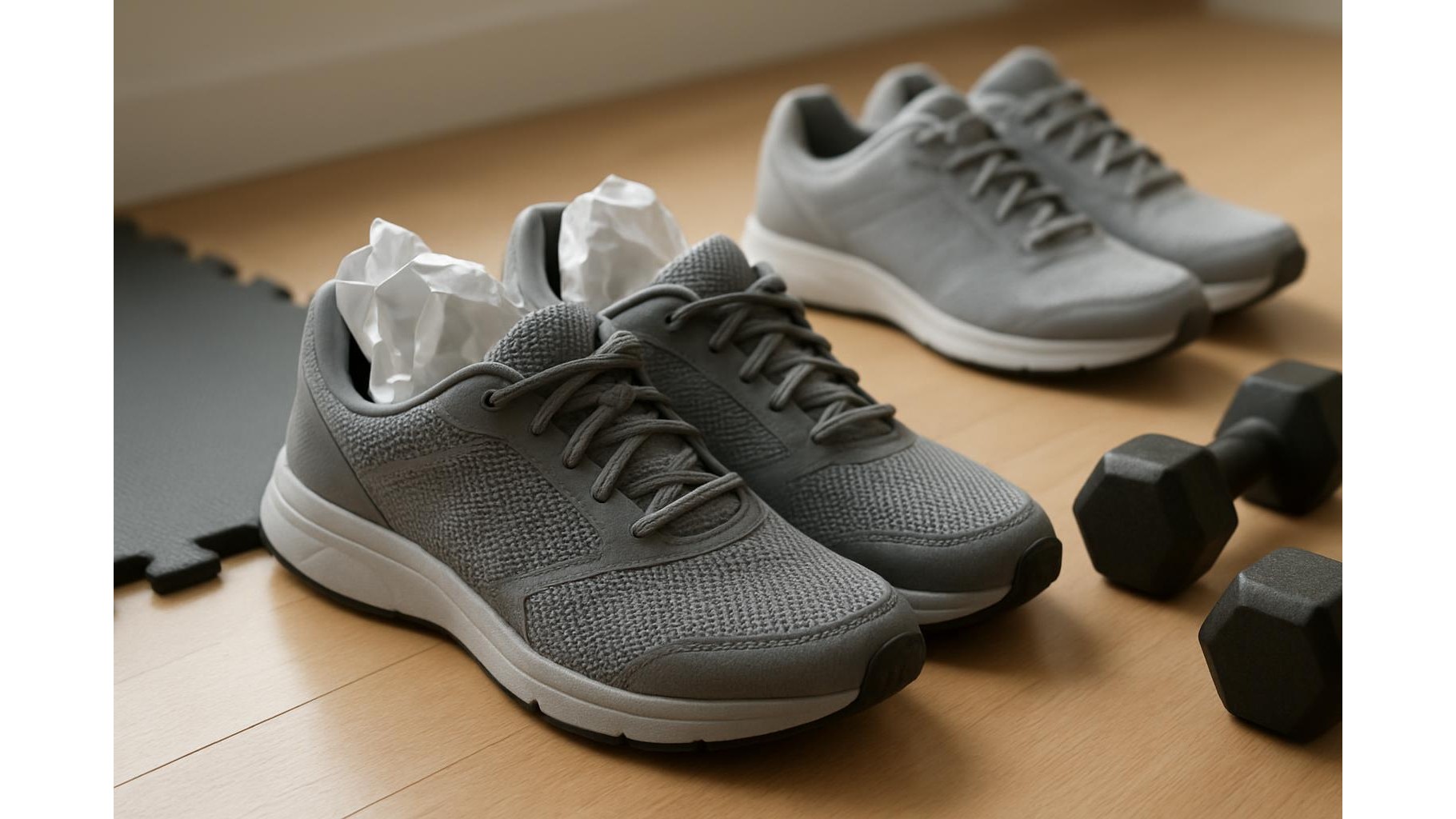
Drying is where many people accidentally destroy their shoes. High heat from radiators, a tumble dryer or direct sun can warp the midsole, harden the foam and separate glue. Instead, gently press out excess water with a towel, then stuff the shoes with dry paper to help them keep their shape and absorb moisture from inside. Replace the paper every couple of hours until it stays dry. Leave the shoes to air dry in a warm, well-ventilated space, away from direct heat sources. Make sure the insoles are fully dry before putting them back, as trapped moisture can flatten cushioning and encourage bacteria. Patience at this stage pays off with shoes that remain springy and supportive.
Smart rotation and storage to extend shoe life
One of the simplest ways to preserve cushioning support is to rotate between at least two pairs of training shoes. Foam needs time to rebound after each session; by alternating pairs, you give the midsole 24–48 hours to recover, which reduces permanent compression. When you are not training, store shoes in a cool, dry spot, out of direct sunlight. Avoid piling heavy equipment on top of them, which can crush the heel counter and deform the support. You can also slip a pair of clean, breathable socks inside each shoe to help maintain shape and absorb lingering moisture. These small habits help your home workout shoes feel newer for longer.
Keeping your home gym shoes fresh between washes
Since you often train on the same mat or in a small room at home, odour can build up quickly. Let shoes breathe after every session by removing them as soon as you finish and opening the laces wide. Take out the insoles and place both shoes and insoles in a ventilated area. Use a light sprinkle of bicarbonate of soda inside the shoes overnight to absorb moisture and smells, then shake it out the next day. You can also wipe the insoles with a cloth lightly dampened with water and mild soap, then air dry completely. Regular quick care like this means you will need fewer deep washes, which in turn protects the midsole cushioning and keeps your home gym footwear performing at its best.
By choosing gentle washing methods, slow air drying, thoughtful rotation and good storage, you protect both the support and the cushioning of your home workout shoes. Clean, dry and well-rested trainers feel better, reduce your risk of discomfort and make each home session more enjoyable, all while saving you money by extending the life of your favourite pair.