Home workouts can move quickly from squats and stretches to intervals, so shorts need to feel secure without restricting movement. A built-in liner can add support and reduce friction, but only when its fit, length and fabric suit your training. Use these practical checks to find lined training shorts that stay comfortable through strength, mobility and cardio sessions.
Check the liner fit and support
The liner should sit close to the body without pinching, rolling or pulling at the leg openings. Look for a smooth, supportive fit that stays in place when you walk, squat and lift your knees. If the fabric bunches during a bodyweight squat, it is likely to distract you during a longer workout. The waistband and liner should work together: a snug liner cannot compensate for shorts that slide down, and an overly tight inner layer can feel restrictive even when the outer shorts fit well. When shopping online, use the brand’s size chart and compare it with a pair you already find comfortable. If you fall between sizes, check the garment’s stretch and the stated fit before choosing.
Choose an inseam for your movements
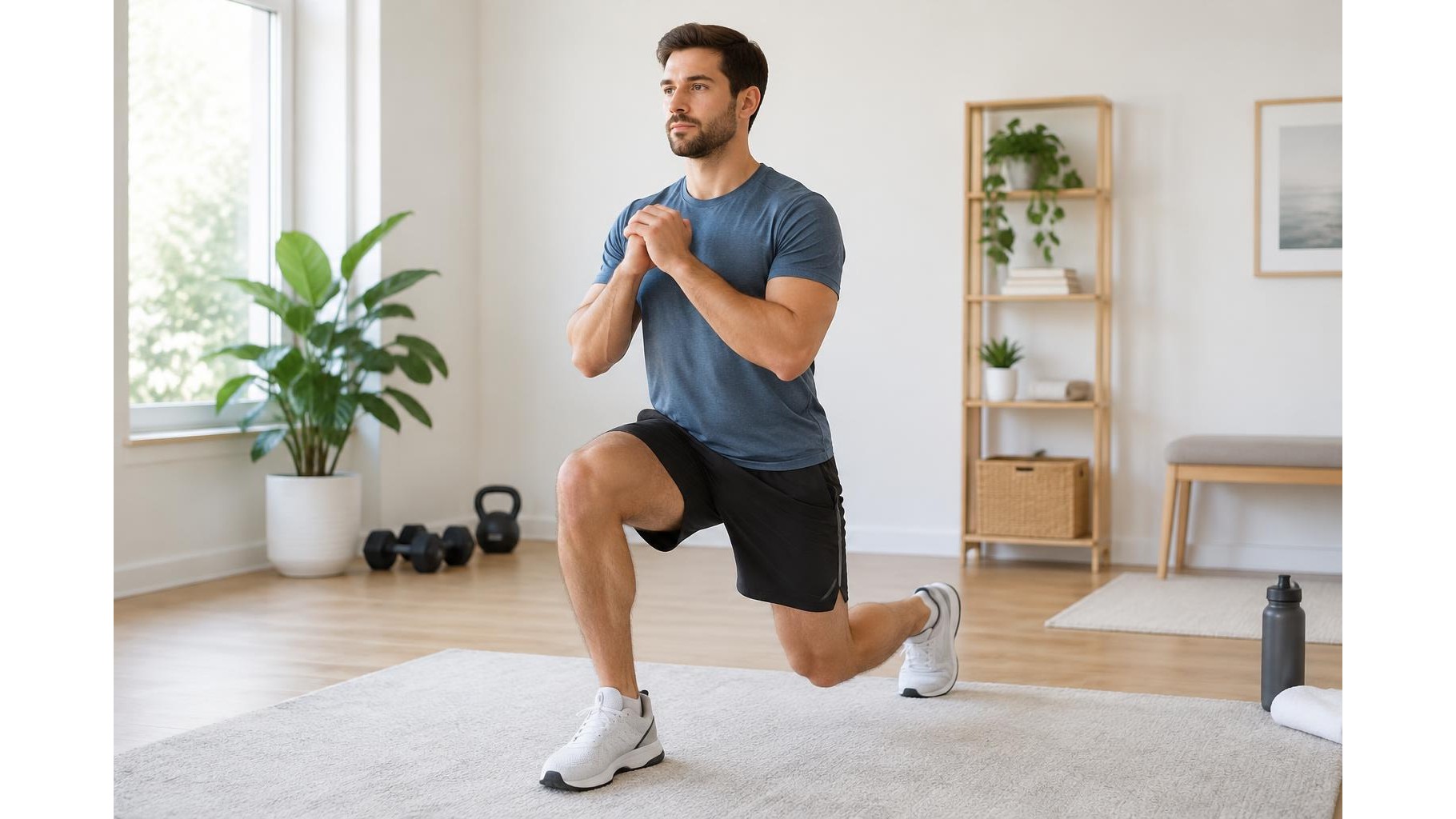
Inseam length affects coverage, mobility and how much fabric you feel around your thighs. A shorter cut can feel airy during cardio and make it easier to see your leg position during exercises. A longer inseam may provide more coverage and reduce skin-on-skin friction, particularly during lunges or cycling-style intervals. There is no single best length for everyone: consider your height, preferred coverage and the exercises you do most often. Test the range of motion by lifting each knee, stepping into a lunge and sitting into a deep squat. The hem should not ride up excessively or catch against your thighs.
Look for a waistband that stays put
Repeatedly pulling up your shorts interrupts concentration. A secure waistband should feel evenly snug around your waist without digging in when you bend or brace. A drawcord can help fine-tune the fit, especially if your waist and hips suit different sizes. Check whether the cord is internal or external and whether it stays tied during movement. Wide, soft waistbands often distribute pressure more comfortably than narrow elastic, though personal preference matters. Try a few dynamic movements before a workout: jog in place, hinge at the hips and reach overhead. If the waistband rolls or shifts, adjust the drawcord or try another size or cut.
Assess opacity and fabric quality
For confidence during deep bends and floor exercises, check fabric opacity in bright light. Stretching can make thin material more transparent, so consider how the outer fabric looks when pulled across the thighs. Darker colours may make transparency less noticeable, but they do not replace a well-made fabric. Look for smooth seams and a liner that offers coverage without adding bulky layers. If possible, check care instructions and customer feedback for notes about pilling, seam durability or fabric thinning after washing. A well-constructed pair should retain its shape and coverage through repeated home sessions.
Balance breathability with sweat management
Home workouts can still get warm, especially in rooms with limited airflow. Lightweight, breathable materials help heat escape, while moisture-wicking fabric can move sweat away from the skin. The liner should feel soft and quick-drying rather than heavy or clammy. Ventilation panels or a lighter outer fabric may suit high-intensity cardio, while a slightly more substantial weave can feel reassuring for strength sessions. Consider your room temperature and how long you train, and follow the care label to preserve stretch and fabric performance. Avoid fabric softener if the manufacturer advises against it, as it may affect moisture-wicking finishes.
Before choosing, prioritise the features that matter most to your routine: a liner that stays smooth, an inseam that allows full movement, and a waistband that remains secure. Then check opacity, breathability and care details. The right lined training shorts should feel supportive without requiring constant adjustment, so you can focus on your workout rather than your kit.