The right pair of training leggings should move with you, stay comfortable through repeated sessions and provide reliable coverage during every exercise. For home workouts, small details can make a noticeable difference: where seams sit, how the fabric stretches, whether the waistband stays put and how opaque the material remains when you squat or bend. Flatlock stitching can help reduce bulky ridges, but fit and construction matter just as much. Use these practical checks to choose leggings that feel good for strength training and floor work.
Check where the seams sit
Flatlock seams join fabric panels with a low-profile stitch designed to lie flatter against the skin than a raised seam. That can reduce pressure and rubbing when you move repeatedly, especially during exercises where fabric is compressed against a bench or mat. Still, seam placement matters: inspect the inner leg, crotch, waistband and side panels, where seams may experience the most friction. Look for smooth finishes and avoid a seam that crosses a sensitive area or pulls tight when you bend. A gusseted crotch can offer more room for movement and help reduce strain at the inner-leg joins. Try walking, lunging and sitting on the floor to see whether any seam twists, pinches or rubs.
Choose stretch that supports movement
Leggings should stretch comfortably in more than one direction, then return to shape rather than sagging at the knees or seat. A fabric with good four-way stretch can make deep squats, bridges and dynamic warm-ups feel less restrictive. Check the product details for the fabric composition, but treat percentages as a guide rather than a guarantee: knit structure and fit also affect how a garment moves. During a try-on, perform a controlled squat, high knee lift and wide stance. The fabric should not feel tight across the hips or pull at the crotch. If it becomes sheer or the waistband strains during these checks, consider a different size or cut.
Assess waistband fit and stability
A waistband should feel secure without digging in or making breathing uncomfortable. High-rise waistbands can provide a larger area of contact around the torso, while a wide, well-finished band may help distribute pressure. Neither feature guarantees that leggings will stay up: the rise, waist-to-hip shape and size all play a part. Bend, twist and lie on your back to check whether the waistband rolls, slips or presses uncomfortably into your abdomen. A drawcord can offer extra adjustment, but check that it does not create a hard lump during floor exercises. Choose a close fit that stays in place without requiring constant pulling up.
Test opacity in workout positions
Opacity depends on fabric density, colour, stretch and fit. A material that looks opaque while standing may become more transparent when stretched over the hips or thighs. In bright indoor light, perform a squat and forward fold in front of a mirror; if possible, ask someone to check coverage from behind. Avoid sizing down to achieve a compressed feel, since excessive stretch can reduce coverage and strain seams. Dark shades may make transparency less obvious, but they are not a substitute for a proper fit test. Check that the fabric remains comfortable and covered across the full range of motion you use.
Match the fit to indoor sessions
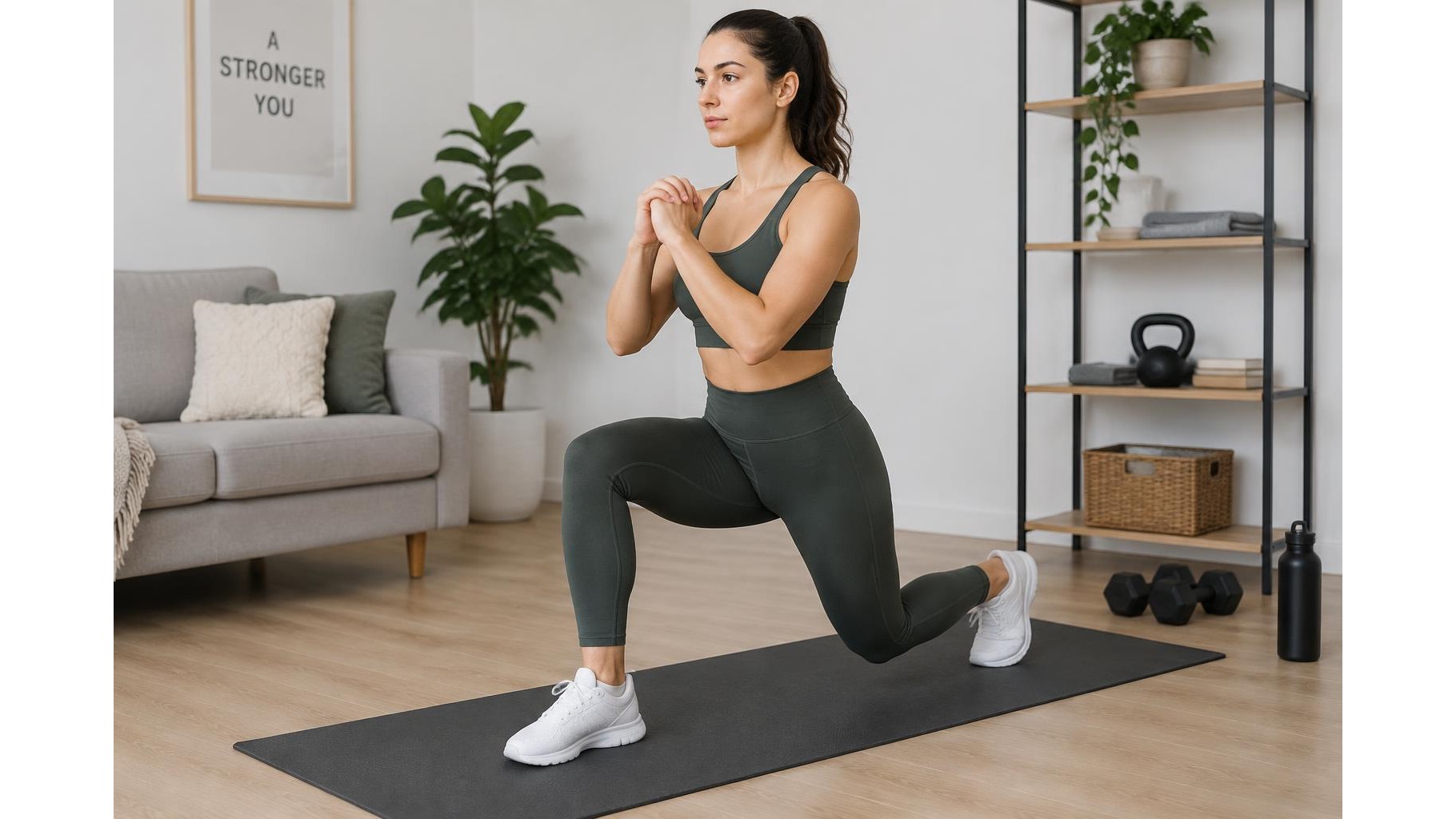
Consider how often you train, how warm your workout space gets and whether you prefer a close or relaxed feel. A smooth, breathable fabric can be useful for frequent sessions, while a brushed interior may feel cosy in a cool room but warmer during intense training. Check the care label and follow washing instructions to help preserve elasticity and stitching. For a practical fit check, wear the leggings for several minutes and try squats, lunges, glute bridges and seated stretches. Notice any rubbing, bunching, slipping or restricted movement. Prioritise comfort over a particular compression level or fashionable detail.
Make comfort the deciding factor
Well-chosen leggings combine flat, comfortable seams, dependable stretch, a stable waistband and coverage that holds up when you move. Before buying, review the size guide, fabric details and return policy, then use movement checks rather than relying on appearance alone. The best pair is the one that stays comfortable from warm-up to floor work without distracting you or needing constant adjustment. A few minutes spent checking fit can make frequent home workouts feel smoother and more confident.