When you work out in a hot home gym or a small room with limited airflow, the wrong outfit can quickly turn a great session into an exhausting, sticky struggle. Choosing breathable workout clothes that manage sweat, allow air circulation and reduce friction is essential to stay comfortable and safe. By focusing on the right fabrics, fit, ventilation, colour choices and anti-chafing strategies, you can build a simple home workout wardrobe that keeps you cool even when the room heats up.
Table of contents
Choose lightweight, moisture-wicking fabrics
The foundation of a cool outfit in warm environments is the fabric. Look for lightweight, moisture-wicking materials such as polyester blends, polyamide and technical fabrics labelled as “dry-fit”, “climalite” or “sweat-wicking”. These fibres pull sweat away from your skin and let it evaporate faster, helping your body regulate temperature. Avoid heavy cotton that soaks up moisture and stays wet, making you feel hotter and causing more friction. Instead, opt for thin, smooth knits or mesh zones that feel dry against the skin. Minimal seams and flatlock stitching also reduce irritation when you are moving and sweating in a confined, warm room.
Get the right fit: not too tight, not too loose
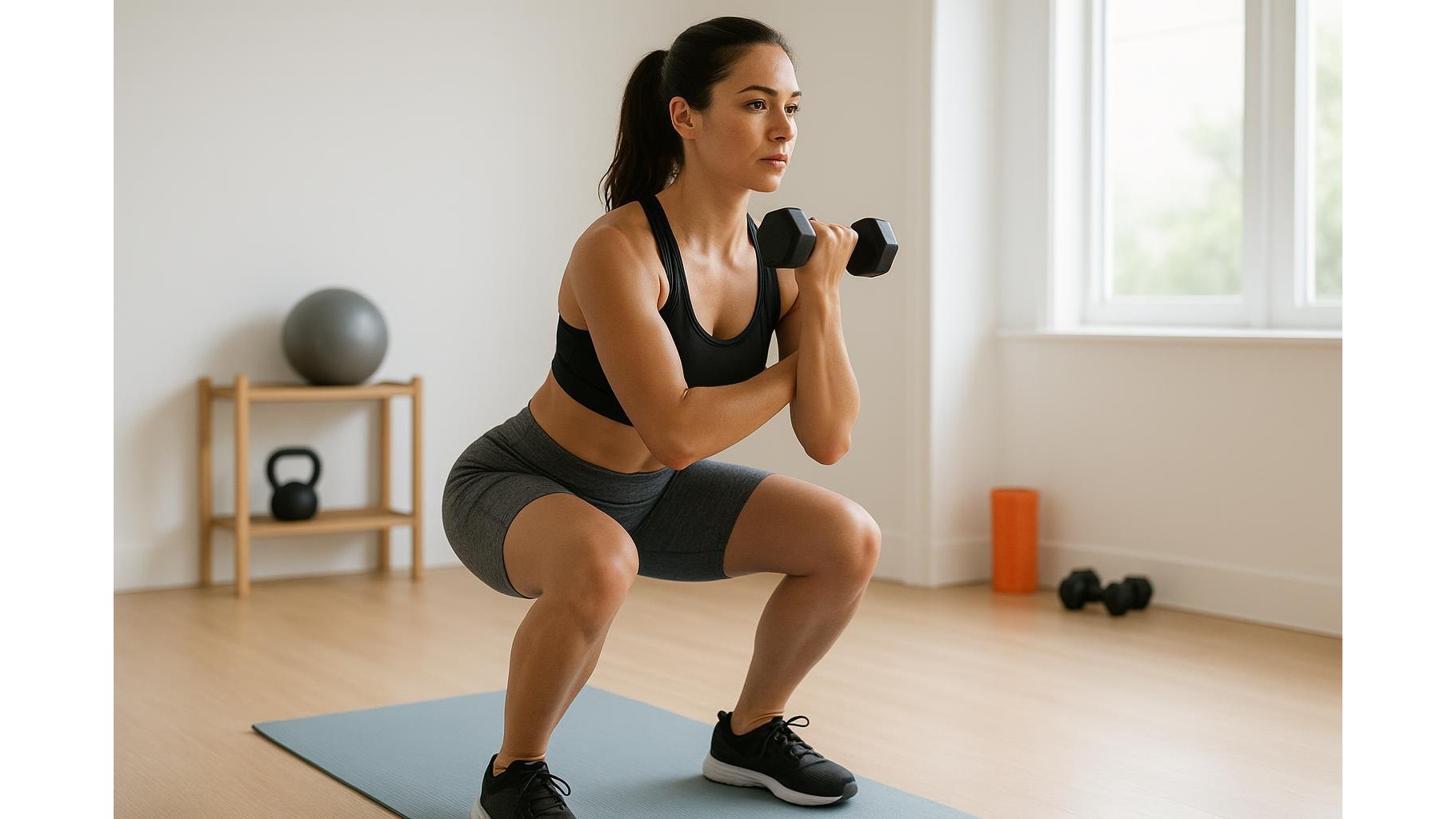
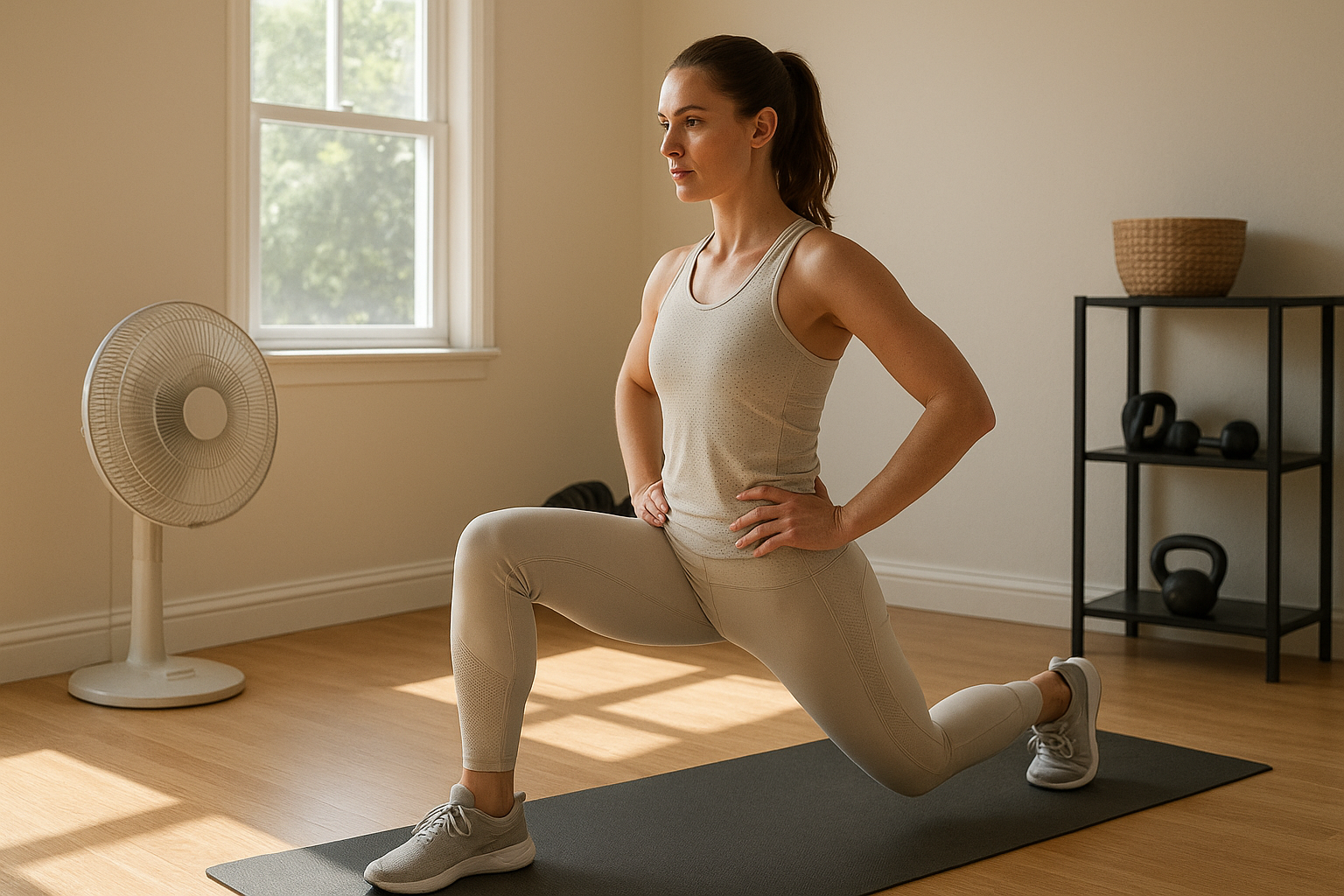
When training in heat, fit matters as much as fabric. Ultra-tight compression pieces can trap warmth and restrict air circulation, while overly loose items may cling to sweat and flap around, causing distraction and chafing. Aim for a slim, skimming fit that follows your body without squeezing. Tops should give you room to lift your arms overhead without rolling up, and shorts or leggings should stay in place during squats, lunges and core work. In small home spaces, you often move close to furniture or equipment, so streamlined fits help prevent clothes from catching, while still allowing enough airflow between fabric and skin to keep you cooler.
Prioritise ventilation panels and open designs
Ventilation is your best friend in hot rooms, where air does not circulate as well as in a commercial gym. Choose pieces with mesh panels on the back, underarms or sides to release built-up heat. Racerback or sleeveless tops and sports bras with cut-outs at the back let warm air escape and speed up drying. Look for shorts or leggings with breathable inserts behind the knees or along the thighs, where sweat tends to accumulate. In a home workout setting, you can also pair a breathable sports bra with a very light open-back tank for maximum airflow. The goal is to create natural air channels around the body, so every movement encourages cooling rather than trapping heat.
Use colour and layering strategically
Colour choices can influence how hot you feel during workouts. Dark colours like black and deep navy can absorb more heat, especially near windows with sunlight. For hot rooms, favour light colours such as white, light grey or pastels, which reflect more light and help keep your temperature down. At the same time, smart layering lets you adapt to changing conditions: start with a breathable base layer and add a very light, airy top that you can remove once you are warmed up. Even if you are training at home, this approach prevents early over-heating and gives you flexibility if the room gets progressively warmer during a long session.
Prevent chafing and overheating in tight spaces
In warm, cramped home gyms, you sweat more and move closer to equipment, so chafing and hot spots can become a real problem. Choose leggings or shorts with smooth, flat seams and soft waistbands that do not dig into the skin. A longline sports bra or top that covers more of the ribcage can reduce under-bust rubbing. Apply anti-chafe balm to high-friction areas such as inner thighs, underarms and around sports bra straps, especially if you do high-rep circuits or cardio. Make sure your outfit stays put when you jump, bend and twist; constant adjustment increases irritation. Finally, keep a small towel nearby to blot sweat quickly, helping your workout outfit stay drier and more comfortable throughout your session.
Building a breathable home workout outfit for hot rooms is about combining the right technical fabrics, a balanced fit, smart ventilation, cooler colour choices and simple anti-chafing habits. You do not need a huge wardrobe: a few well-chosen tops, bras and bottoms that wick sweat, let air flow and stay comfortable during movement can transform how you feel when training in a warm, limited space. Invest in pieces that work with your body, not against it, and your home workouts will feel cooler, safer and far more enjoyable.