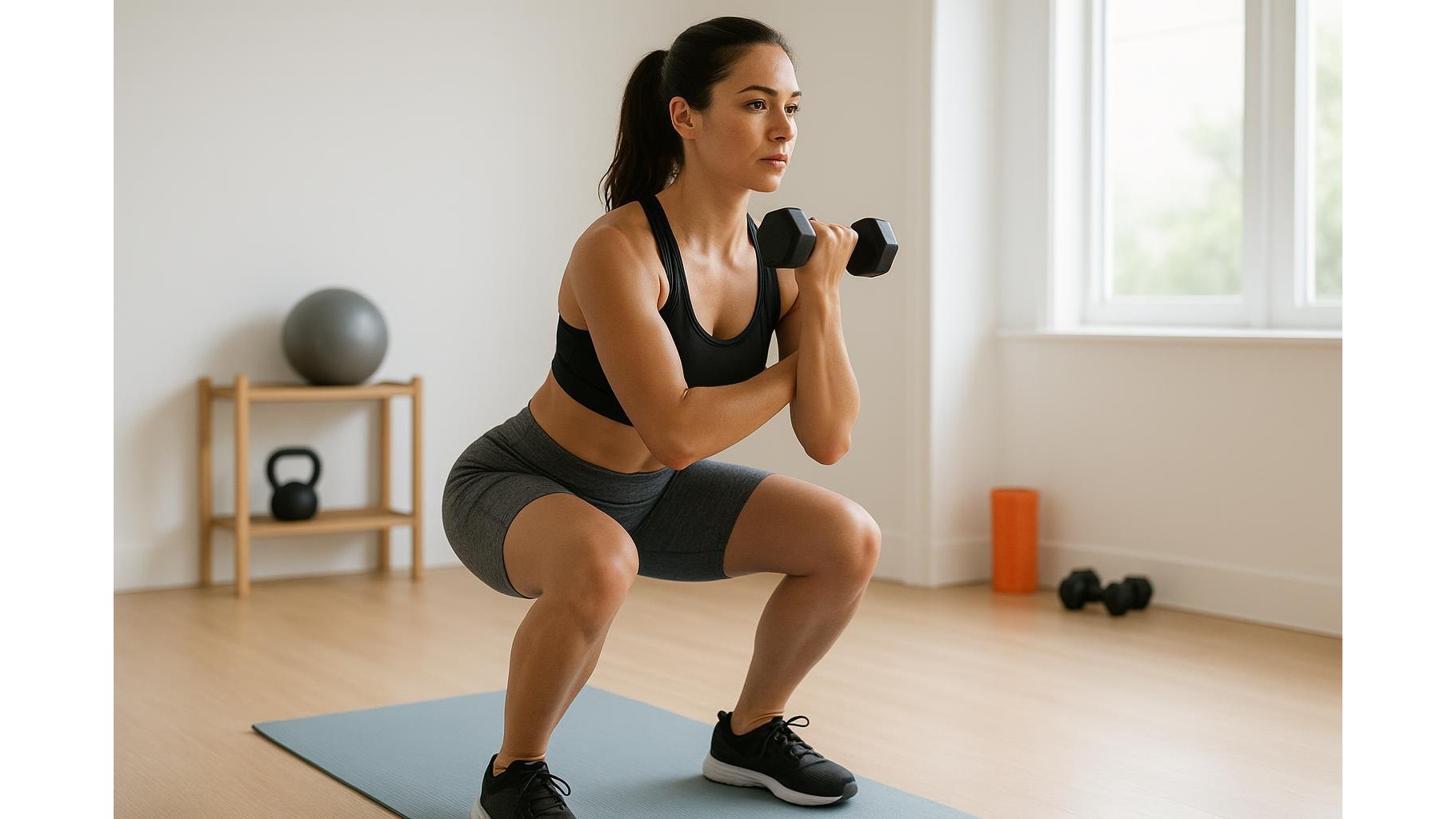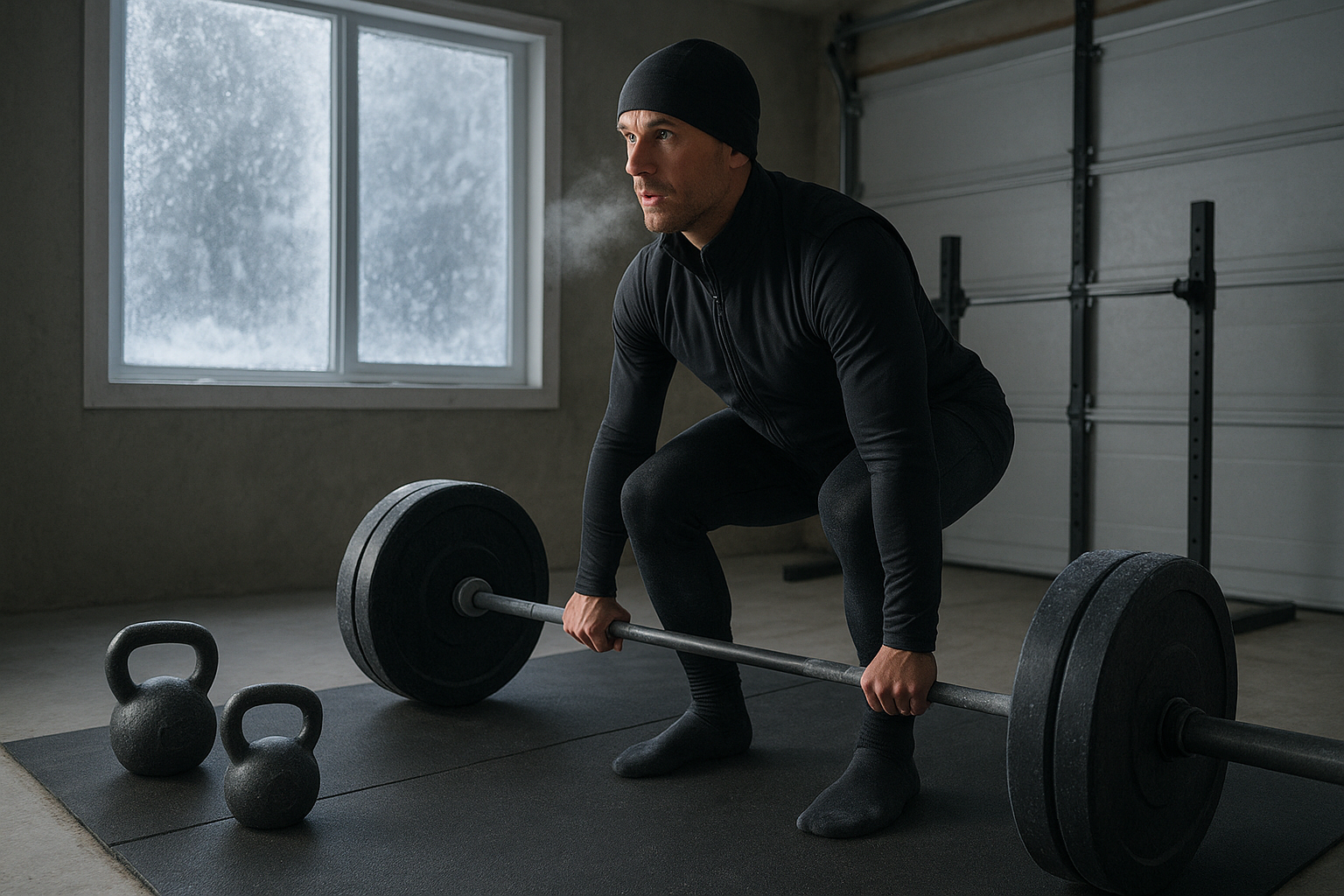
Training in a cold garage or basement can be uncomfortable if you get the layering wrong. You need enough insulation to stay warm during the warm-up, but also plenty of breathability once your heart rate climbs. The key is to choose pieces that trap heat without locking in sweat, and to build a flexible system you can tweak as your session progresses. Below you’ll find style and technical tips, plus a few specific items from Amazon.co.uk that balance warmth, sweat management and freedom of movement for your home workouts in cold rooms.
Table of contents
Start with a breathable thermal base layer
Your first layer should hug the body and move sweat away from the skin. A great example is the TACVASEN Mens Thermal T Shirt Lightweight Fleece Lined Base Layer Long Sleeve Undershirts Crewneck Workout Tops, designed as a lightweight but warm base layer. Its soft fleece lining adds gentle thermal insulation, while the fabric remains relatively thin and flexible so you can still perform presses, rows and mobility work without feeling restricted. Look for similar tops with a close fit, moisture-wicking fibres and smooth seams to prevent chafing during push-ups and rowing sessions in your home gym.
Add warm but stretchy bottoms
On the lower half, you want leggings or joggers that feel cosy when you first step into a cold garage gym, yet won’t overheat you once you start squatting and lunging. For women, the SINOPHANT Fleece Lined Leggings for Women, Soft Elastic High Waisted Thermal Warm Winter Thick Yoga Pants are a solid benchmark. They use a soft fleece interior for warmth, paired with a very elastic outer fabric that moves easily through deep squats and hip hinges. Reviews highlight that they feel like a “second skin”, warm without excessive bulk, which is exactly what you want in a cold room: a snug, high-waisted fit that traps heat while still breathing as your workout intensifies.
Use an insulated gilet for adjustable warmth
Instead of a bulky hoodie that traps sweat around your arms, choose a sleeveless layer to keep your core warm and your shoulders free. A good pattern is the 33,000ft Women’s Softshell Full Zip Gilet Fleece Lined Windproof Vest Outerwear Lightweight Sleeveless Jacket for Running Hiking Golf. This style of softshell gilet is fleece-lined for warmth and uses a windproof outer to cut drafts in unheated basements, yet the sleeveless design keeps ventilation high and allows unrestricted pressing and rowing. Look for zip-front gilets so you can open them during high-intensity intervals and close them again for cool-downs, effectively “dialling in” your temperature without changing your whole outfit.
Don’t forget moisture-wicking socks
Your feet often get ignored in cold-room outfit planning, but if they get damp and cold, your whole body feels it. Choose moisture-wicking training socks with light cushioning. The Comression Sports Socks for Men Women, Tennis Socks, Cushioned, Moisture-wicking Athletic Training Socks for Running Padel Badminton Gym Basketball Hiking Cricket…6-pack show what to look for: breathable technical fibres, cushioned zones and a snug fit that resists slipping during jumps or heavy lifts. In a cold home gym, this combination helps pull sweat away from your skin while adding just enough padding for comfort on concrete or rubber flooring, reducing the risk of blisters and keeping your feet warmer for longer.
Protect your head and ears while staying ventilated
In chilly garages, a huge amount of heat escapes from your head. A lightweight, breathable beanie or skull cap keeps you comfortable without causing overheating. The WRELS Thermal Running Skull Cap with Ear Flaps – Winter Hat for Men & Women, Windproof Beanie Helmet Liner, Ponytail Design for Women, Cold Weather Athletic Beanies with Ear Flap is a good template: slim enough to fit under headphones or a helmet, windproof around the ears and designed for cold-weather training. For home workouts, this kind of cap keeps your ears warm during warm-ups and rest periods, but its lightweight construction and snug fit ensure it still breathes well when you start sweating through circuits or kettlebell flows.
Layer smart and adapt during your session
Ultimately, the ideal cold-room workout outfit is a flexible system: a breathable thermal base layer, warm but stretchy bottoms, an adjustable insulating gilet, moisture-wicking socks and a light skull cap or beanie. Start your session with all layers on; as your body temperature rises, unzip your gilet, roll up sleeves or remove your hat to prevent overheating. Aim for fabrics that combine insulation with sweat management, and avoid heavy cotton that traps moisture. With the right pieces, like the examples above from Amazon.co.uk, you can train comfortably and safely in garages, basements and other cold rooms all winter while keeping your movement free and your outfit breathable.