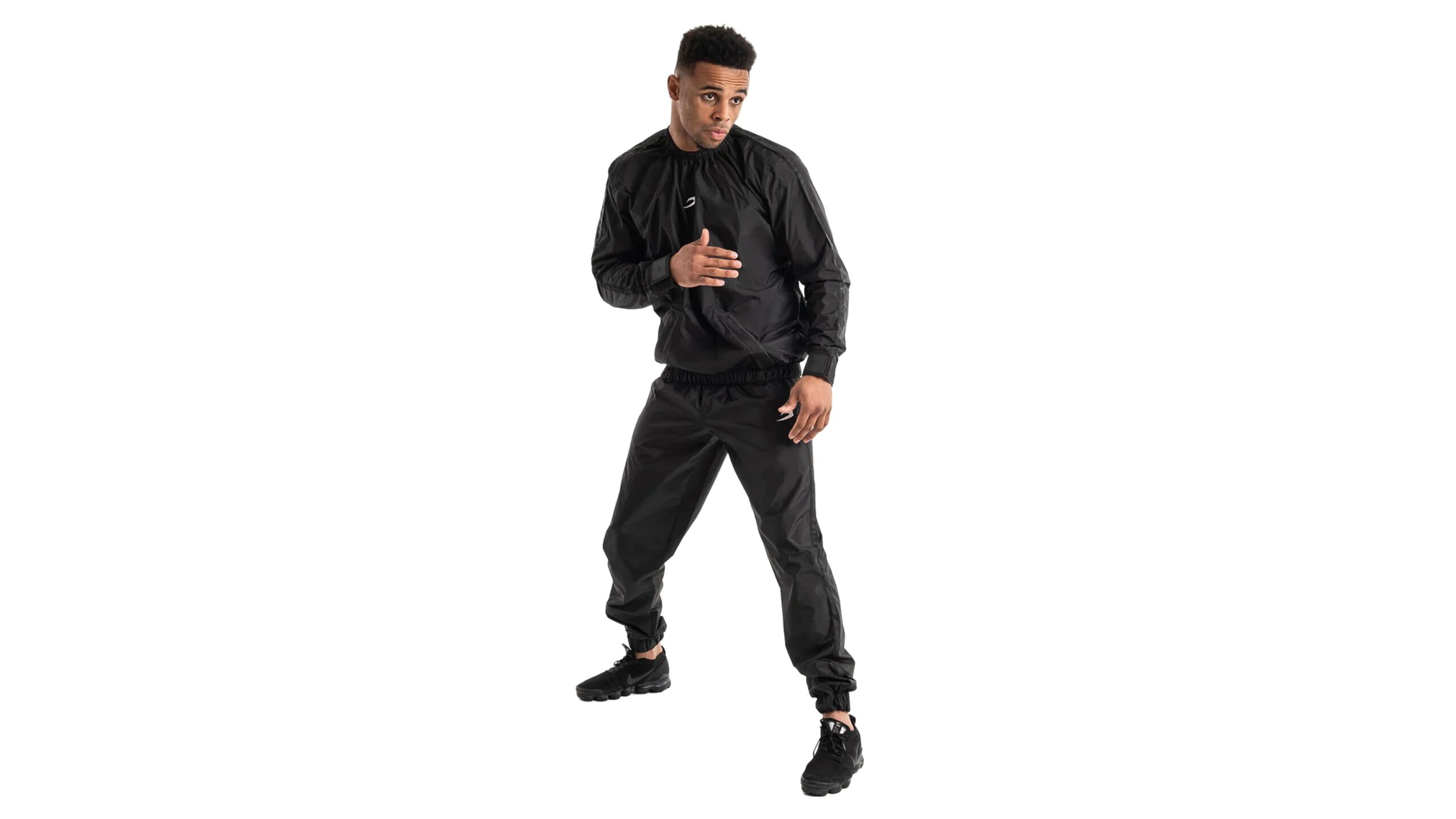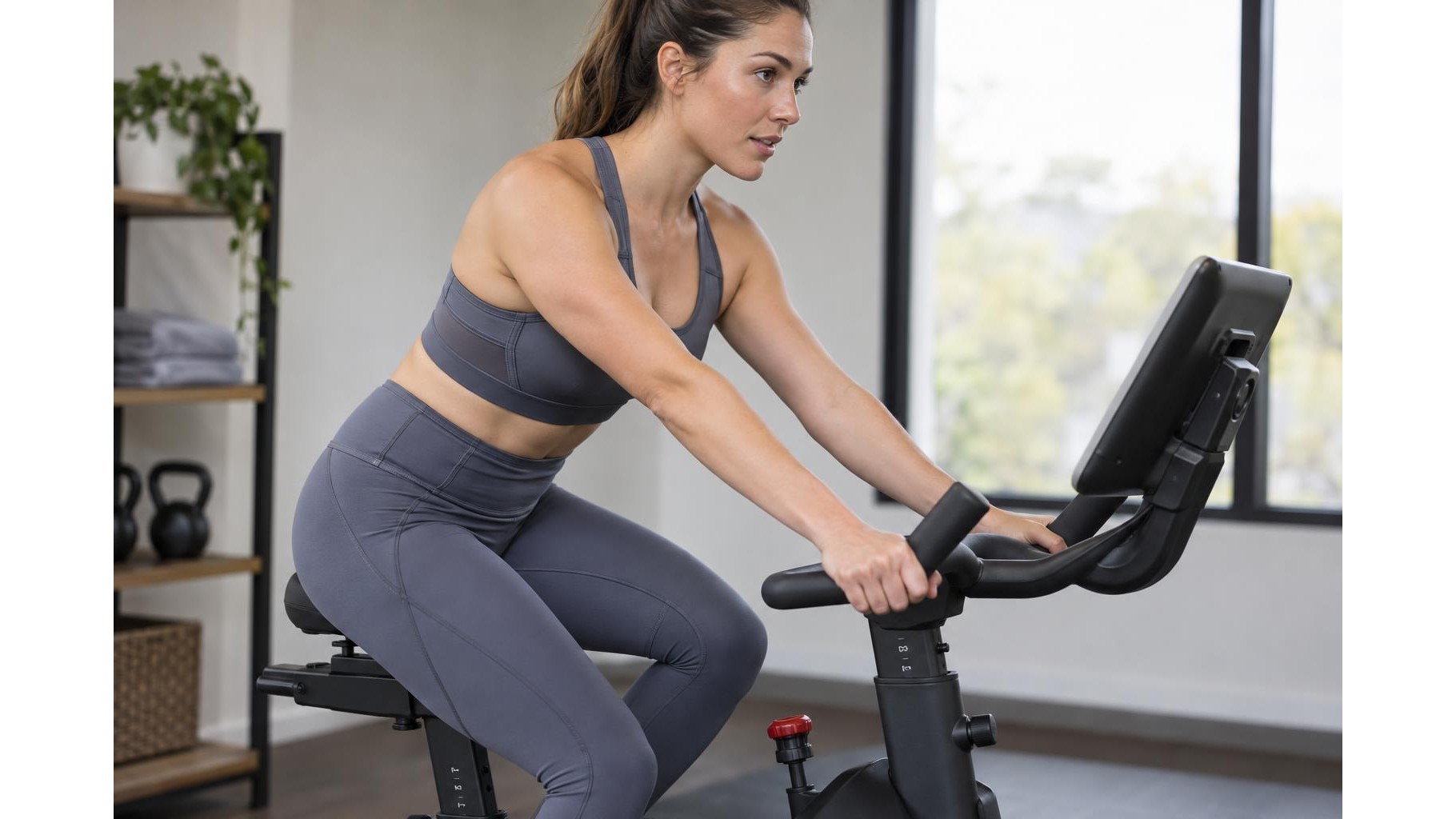
Indoor cycling and rowing repeat the same movements for hundreds or thousands of strokes, so small points of friction can become distracting fast. The right kit should manage sweat, stay in place and move freely without bulky seams or folds. Rather than looking for a single “anti-chafe” label, compare fabric, construction, fit and ventilation against the positions and contact points of your workout.
Choose smooth, moisture-managing fabrics
Look for lightweight synthetic blends, such as polyester or nylon with elastane, that wick sweat and dry quickly. Damp fabric can cling to skin and increase rubbing, especially at the inner thighs, underarms and waistband. A smooth face and a little stretch help clothing glide as your legs cycle or your torso rocks through a rowing stroke. Merino blends can also work well for some people, but check that the garment feels smooth against your skin and dries at a pace suited to your session. Avoid relying on fabric claims alone: feel the material, check its weight and consider whether it remains comfortable when warm and damp.
Inspect seams and chamois carefully
Seams are often the deciding detail. Flatlock or low-profile seams can reduce raised edges, while carefully placed panels can keep stitching away from high-friction areas. Turn shorts inside out and check the inner thighs, crotch, waistband and leg openings. For cycling, a well-positioned chamois can reduce pressure on the saddle, but excessive padding may bunch or rub; choose a pad suited to your ride duration and anatomy. For rowing, a bulky pad may feel awkward against the seat, so smooth, close-fitting shorts without unnecessary cushioning can be more comfortable. Check labels for abrasive tags and remove or cover any that sit against skin.
Get a secure fit without compression overload
Clothing that shifts can create folds, while clothing that is too tight can pinch, restrict movement or concentrate pressure. Shorts should stay put through a full pedal rotation and a deep rowing catch, with leg hems that do not roll or dig in. A wide, soft waistband is often more comfortable than a narrow elastic edge. Tops should follow the torso without pulling across the shoulders during the rowing recovery or riding out of the saddle. Try garments in your normal workout positions: sit on a bike or hinge forward as if holding a handle. Check that fabric does not tug at the crotch, shoulders or underarms.
Balance coverage with ventilation
Breathable panels and mesh zones can help release heat and moisture, particularly on the back, chest and underarms. However, ventilation should not come at the cost of rough mesh edges or seams in areas that rub. For indoor cycling, where airflow may be limited, a lightweight top and sweat-wicking base layer can help keep moisture from accumulating. During rowing, a close-fitting top avoids loose fabric catching or bunching as the arms move. Choose coverage for the room temperature and your own sweat level, and avoid layering more than needed.
Test garments in your actual movement
Before committing to a long session, wear new kit for a short, easy workout. Notice whether hems ride up, seams press into skin or fabric becomes clingy as you sweat. Check again after washing, since fit and texture can change; follow care instructions and avoid fabric softener if it affects moisture-wicking performance. If irritation tends to recur, identify the precise contact point and change one factor at a time—such as seam placement, leg length or fabric weight. Well-fitting clothing can help, but persistent skin irritation may need advice from a healthcare professional.
Comfort comes from the combination
For indoor cycling and rowing, anti-chafe comfort is a result of several details working together: smooth moisture-managing fabric, low-profile seams, a secure but unrestrictive fit and ventilation suited to your workout. Compare shorts, tops and base layers in motion rather than judging by appearance alone. A short test session can reveal problems early and help you choose kit that supports repetitive cardio without distracting rubbing.