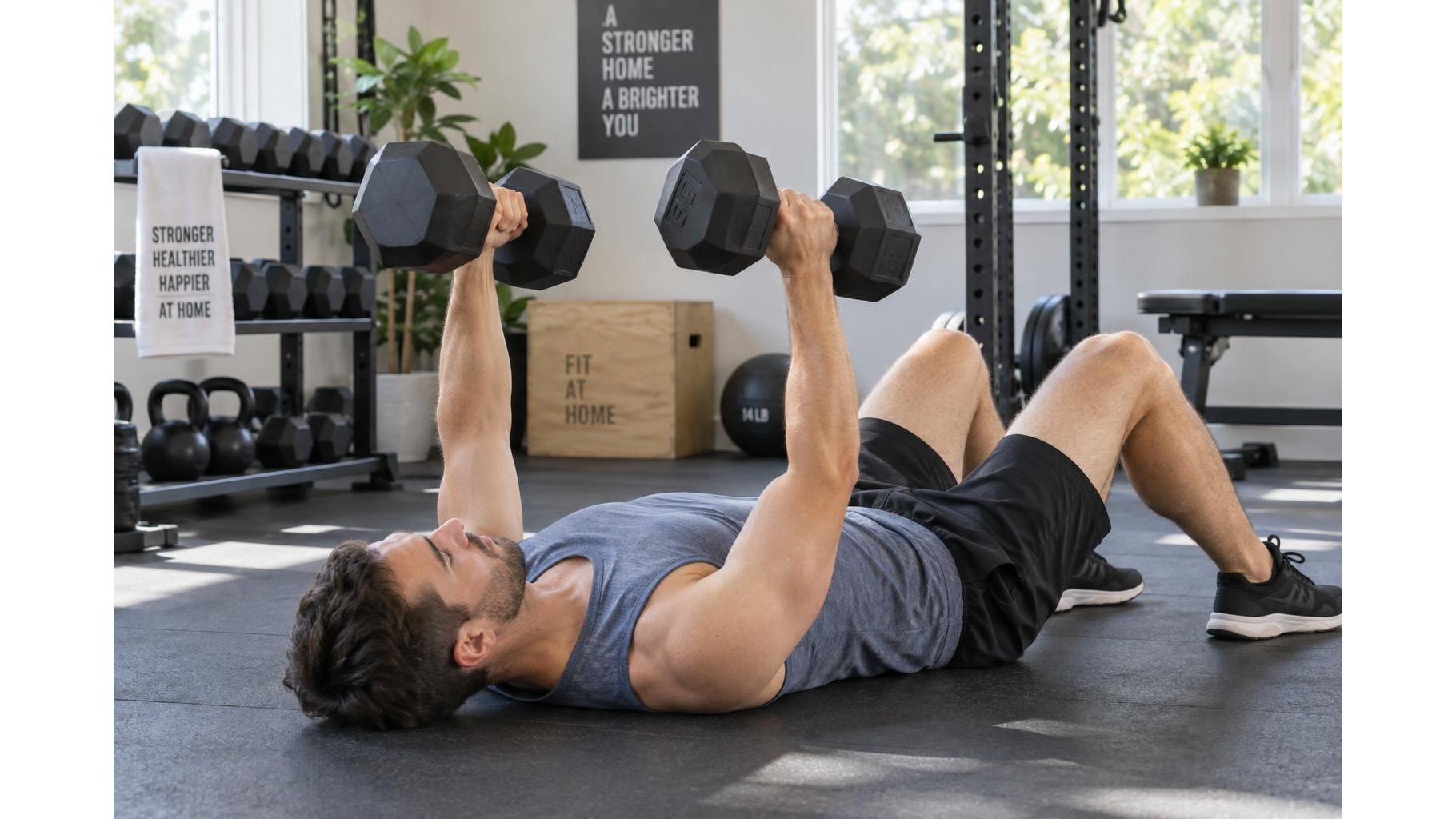
The right technical workout tank top should feel unobtrusive from your first warm-up set to the last stretch. At home, you may move between bench or floor presses, rows, overhead work and bodyweight exercises, often in a warm room without the airflow of a commercial gym. Choosing well means balancing fabric weight, armhole coverage, stretch and sweat management—not simply picking the lightest or most open style.
Choose fabric weight for your room and routine
Fabric weight affects how a tank feels, drapes and holds warmth. A lightweight knit can be comfortable for hot rooms and high-rep circuits, but very thin material may cling when damp or feel less substantial during floor work. A medium-weight performance fabric often offers a useful middle ground: breathable enough for lifting, with enough body to sit smoothly against the torso. If you train in a cool garage or prefer a more covered feel, a slightly heavier knit may be more comfortable. Look for a fabric description that explains its intended use, and check care instructions; a tank that needs delicate handling may be less practical for frequent sessions.
Check armhole coverage in pressing positions
Armholes that are too low can expose more of the chest or side than you want, and loose fabric may shift during floor presses or push-ups. A higher-cut armhole generally gives more coverage and keeps the garment closer to the body, which can feel secure under a backpack or bench. Wider openings offer greater airflow and freedom, but they are not automatically better: reach overhead, cross your arms and mimic a press before deciding. Consider whether the tank will be worn alone or layered, and choose a cut that stays put without rubbing around the armpit.
Prioritise stretch and recovery
Strength training asks a top to move in several directions. Reaching overhead, pulling elbows behind the body and rotating through rows all benefit from four-way stretch or a flexible knit with some elastane. Stretch should make movement easier without making the tank feel compressive. Also consider recovery: after being pulled across the shoulders or torso, a good fabric should return to its shape rather than sagging. If possible, check the size guide and garment measurements instead of relying on a generic small, medium or large. A relaxed fit gives more airflow; a closer fit is less likely to bunch beneath your back during floor exercises.
Look for practical sweat management
Moisture-wicking polyester or blended performance fabrics can move sweat away from the skin and dry faster than many heavy cotton tops. That can make a difference during supersets or when you cannot change immediately after training. Wicking is not the same as feeling dry in every situation, so consider fabric thickness, ventilation and the temperature of your workout space together. Mesh panels may improve airflow, but check that they do not create unwanted exposure. For odour control, follow the care label and wash promptly; avoid assuming an anti-odour claim means a garment never needs careful laundering.
Match construction to home-gym use
Small details matter when equipment and floor work are involved. Flat or well-finished seams can reduce rubbing under shoulder straps or against a bench, while a tag-free neck can prevent irritation during longer sessions. A hem that stays in place is useful for bending, stretching and lying down. Check that logos, prints or seams do not sit where a bar, bench edge or floor contact will press against them. If you train with adjustable weights or resistance bands, test your usual range of motion and make sure the fabric does not catch on handles or restrict your shoulder movement.
In short, choose a tank that suits your training space and preferred coverage: a breathable, medium-weight fabric is a versatile starting point, while secure armholes, dependable stretch and easy-care sweat management make it more useful across presses, pulls and floor work. Use the size chart, assess the fit in motion and prioritise comfort over appearance alone. The best strength-training tank top is the one you can forget you are wearing while you focus on your sets.