A technical workout shirt can feel comfortable on day one and still look worn after a few weeks of training. Pilling and snags often come from friction, yarn and fabric construction, not simply from a low price or a particular fibre. Understanding how these factors work helps you choose a shirt that can handle repeated home workouts, contact with equipment and regular laundry. Use the product label and close-up fabric details to judge durability alongside fit, breathability and comfort.
Start with the knit construction
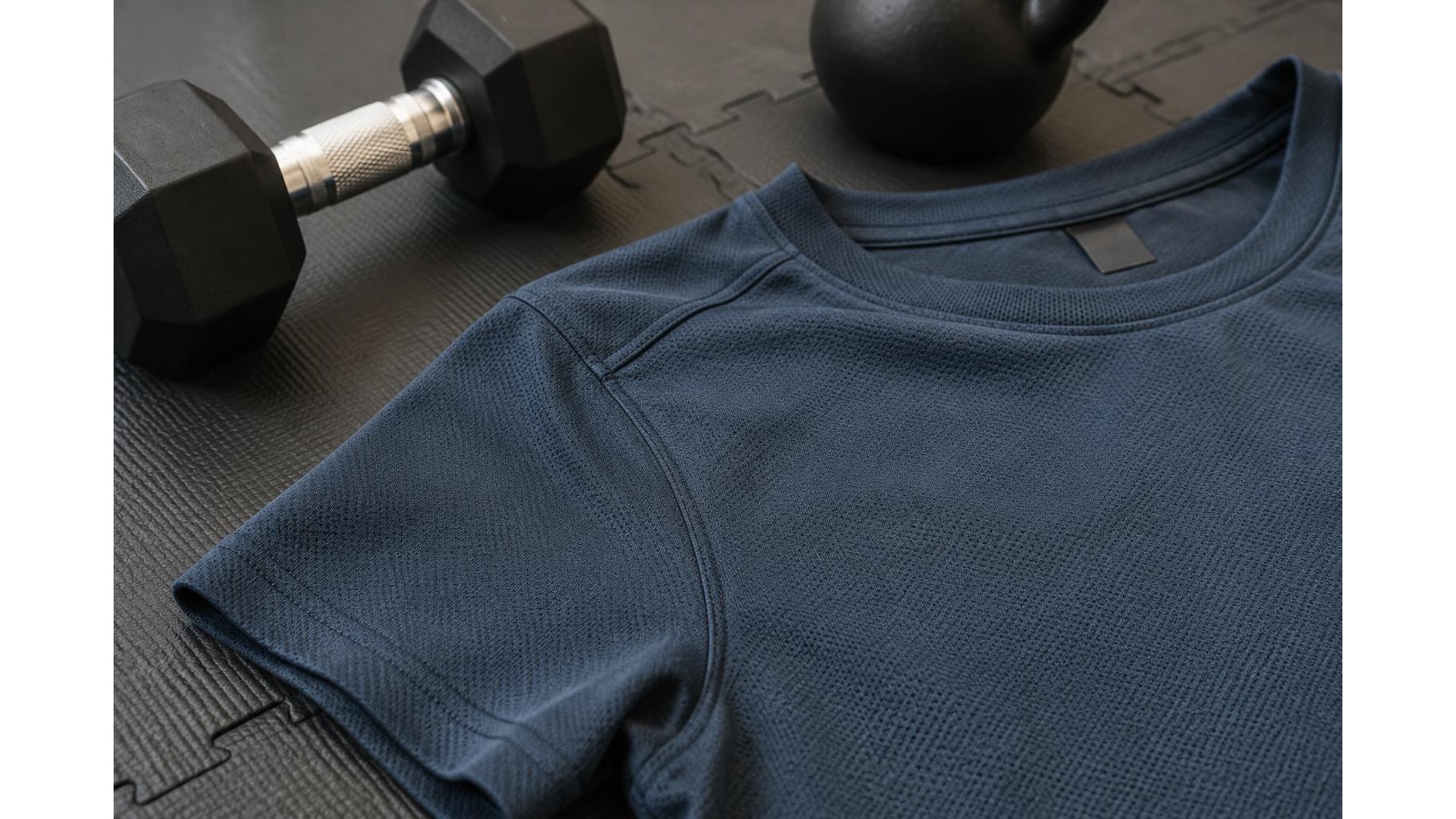
The way yarns are formed into fabric affects how easily loops or fibres can be pulled out of place. A smooth, compact knit generally presents fewer exposed loops for rough surfaces to catch than a loose, open structure. Look closely at the fabric, especially around the sides and underarms: visible, long loops may snag more readily against bench upholstery, hook-and-loop straps or textured equipment. A very fine, lightweight jersey can feel airy, but it may be less forgiving when repeatedly rubbed. For general training, seek a fabric that feels consistent and stable rather than unusually thin or loosely knitted. No knit is snag-proof, so consider the surfaces you regularly train against.
Understand the fibre blend
Many performance shirts combine polyester with elastane for stretch. Polyester is commonly used for quick-drying sportswear, while elastane helps the garment move with you. The blend alone, however, does not guarantee resistance to pilling: yarn quality, fibre length, twist and fabric finish all matter. Pilling occurs when loose fibres work to the surface and form small balls under repeated rubbing. A tightly constructed fabric with a smooth surface is often a more useful sign than a bold claim about fibre content. Cotton blends can feel soft, but may hold moisture longer; choose according to workout intensity and how quickly you want the shirt to dry.
Check the surface and finishing
Run your hand lightly over the fabric and inspect product photos at high resolution. A smooth, even face with no obvious fuzz is a sensible starting point. Garment finishing can help control loose fibres and improve the hand feel, but finishes may wear with washing, so they cannot compensate for a fragile base fabric. Check seams and hems too: neat stitching, secure joins and clean edges reduce the chance of loose threads catching during wear. Avoid pulling at a snag if one appears; carefully ease the yarn back into place rather than cutting it, which can leave a hole or weaken the knit.
Match the shirt to your home gym
Think about the sources of friction in your routine. Barbell knurling, rough bench covers, abrasive straps and even repeated rubbing from a backpack can damage a shirt’s surface. A closer-fitting top may reduce excess fabric catching on equipment, but it should not restrict shoulder movement or breathing. If you use adjustable benches or resistance bands, keep the shirt away from exposed hook-and-loop fasteners when storing or washing it. Choose a robust-feeling training top for high-contact sessions, and reserve a lighter, looser shirt for low-friction activities such as mobility work.
Wash carefully to preserve the fabric
Laundry habits influence how long a shirt stays smooth. Follow the care label, turn the garment inside out and wash it with similar lightweight sportswear. Fasten zips and hook-and-loop tabs on other items, and avoid washing the shirt with towels or garments with rough trims. Use a gentle cycle and avoid excessive heat; high temperatures can affect stretch fibres and encourage wear. Fabric softener is often unnecessary for technical sportswear and may interfere with moisture-management performance. Air-drying is a practical way to reduce heat exposure. If pilling develops, use a fabric comb cautiously instead of aggressively rubbing the affected area.
For a workout shirt that holds up, prioritise a compact, smooth knit, a well-made fibre blend and tidy garment finishing over marketing claims alone. Consider the equipment and laundry conditions the shirt will face, then inspect it regularly for loose loops or wear. A thoughtful choice and gentle care can help keep a comfortable training top looking presentable through repeated home workouts.