Working out at home means your feet, joints and floors take on roles that gym rubber flooring normally covers. The wrong socks or shoes can lead to slips, joint pain or scratched parquet. Choosing the right home workout socks and indoor shoes is essential for stability, cushioning, hygiene and for keeping your parquet and tiles in good condition.
Table of contents
Why your home workout needs grippy socks and indoor shoes
Most homes have smooth tiles, laminate or parquet, which can be slippery when you start doing lunges, planks or yoga flows. Barefoot training offers great foot feedback, but sweat on smooth floors quickly becomes a hazard. Grippy socks and indoor‑only shoes balance natural movement with traction, so you can move confidently without fear of sliding. They also create a barrier between your skin and the floor, improving hygiene and reducing wear on delicate wood finishes. Unlike outdoor trainers, which can bring in dirt and tiny stones, clean indoor footwear protects both your joints and your flooring.
Grippy socks for yoga, Pilates and low‑impact training
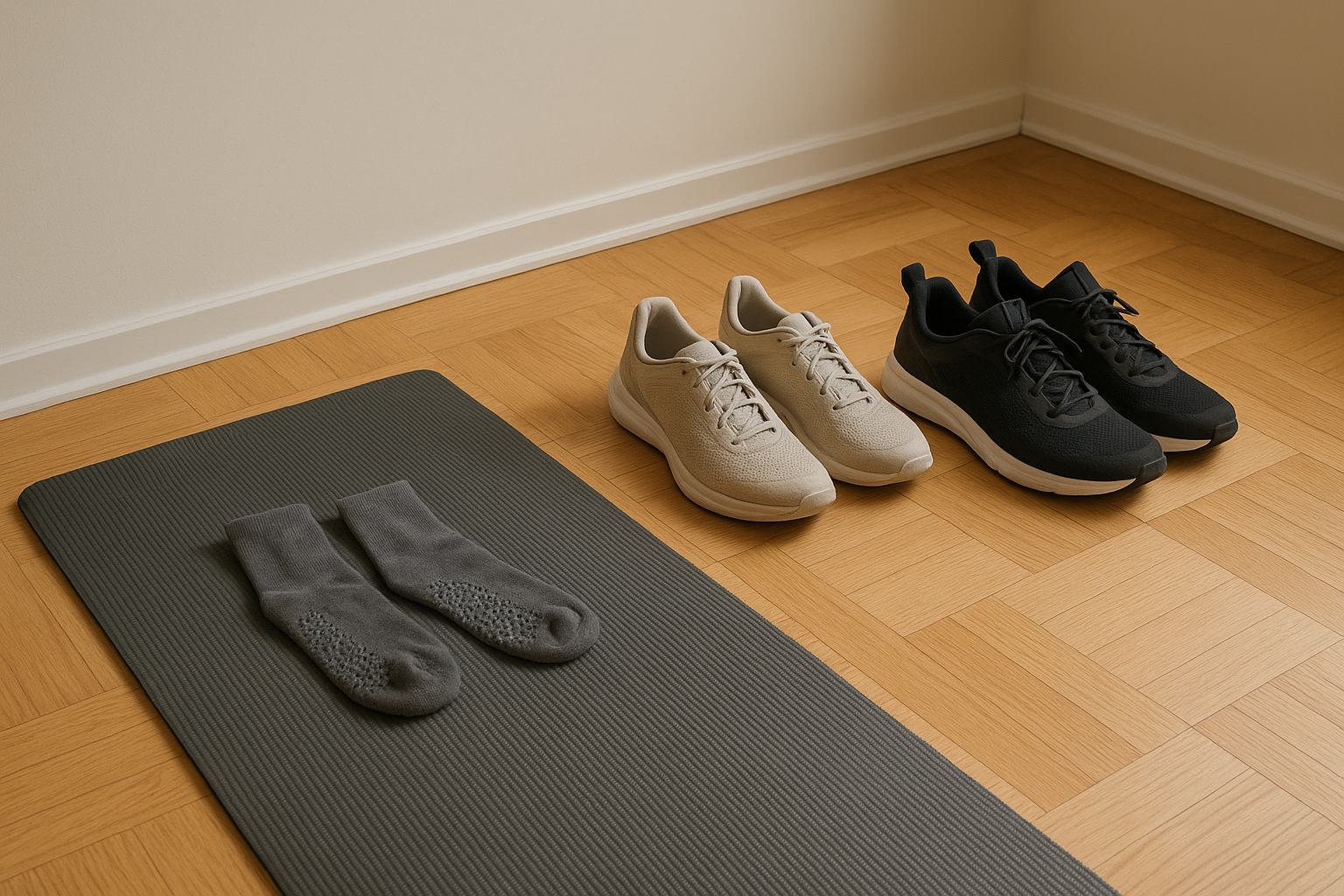
For low‑impact home workouts like yoga, Pilates, barre and mobility sessions, non‑slip socks are often the best choice. Look for models with silicone or rubber grips across the entire sole rather than just at the heel. This keeps you stable in downward dog, warriors and single‑leg balances. Breathable blends with cotton and elastane help manage sweat while hugging the arch, so the sock doesn’t twist. A fitted heel cup and elastic band over the mid‑foot improve security. Opt for socks you keep strictly for indoor use to maintain hygiene and maximise grip over time. If you have particularly cold floors, slightly thicker grip socks add comfort without the bulk of shoes.
Minimalist indoor shoes to protect joints and floors
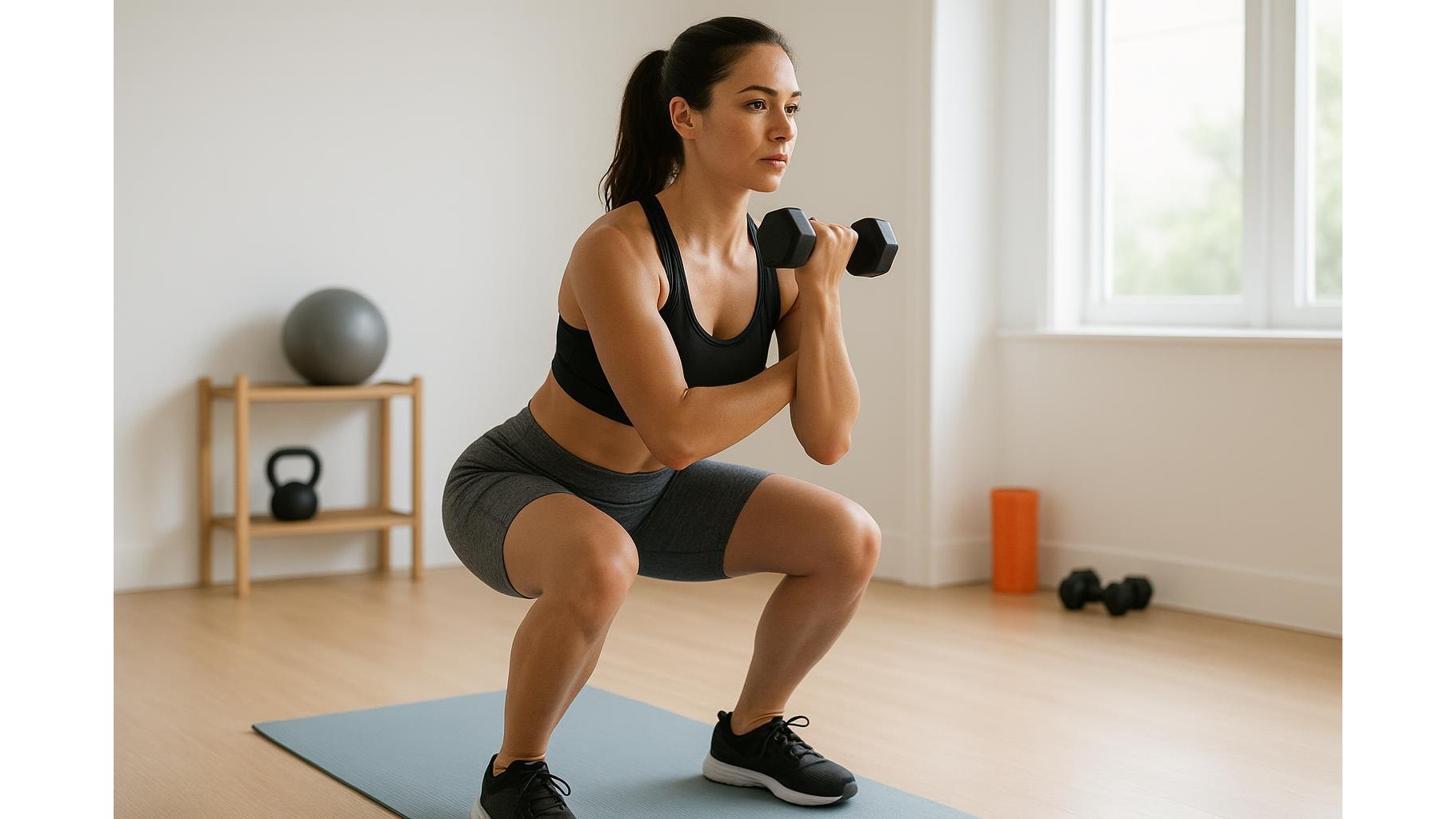
When you add strength training, HIIT or circuit work to your home routine, minimalist indoor shoes provide more protection than socks while staying close to the ground. Look for a flat, flexible sole with a wide toe box that allows your toes to splay for stability in squats and deadlifts. A thin layer of cushioning is enough to soften landings without making you feel wobbly on narrow stances. To protect parquet and tiles, choose outsoles in non‑marking rubber with a smooth, multidirectional tread; avoid aggressive lugs that can scuff surfaces. Keep these shoes for indoor use only so the soles stay clean and can’t grind grit into the floor.
Cross‑training sneakers for high‑impact and mixed workouts
If your home workouts include jump squats, burpees, skipping, step‑ups or mini‑circuit training, consider cross‑training sneakers designed for lateral movement and repeated impacts. Compared to running shoes, a good cross‑trainer has a lower heel‑to‑toe drop and a more stable midsole, so you don’t tip forward during lifts. Look for targeted cushioning under heel and forefoot to absorb shock, combined with a supportive upper that locks the foot in for side‑to‑side moves. For floor protection, prioritise models advertised as indoor court or non‑marking, with relatively flat, wide outsoles that spread pressure instead of digging into wood or tile joints.
How to choose based on your floor and training style
Start by matching your gear to your floor type and main activities. On smooth tiles, maximum grip is crucial: full‑sole grip socks or non‑marking cross‑trainers with tacky rubber work best. On parquet, prioritise non‑marking outsoles and avoid black rubber that can leave streaks; minimalist indoor shoes with light‑coloured soles are a safe bet. If your routine is mostly yoga and mobility, high‑quality grip socks are often enough. For mixed strength and cardio, combine minimalist shoes for lifting days with more cushioned cross‑training sneakers for plyometrics. Whatever you pick, ensure a snug but not tight fit and always test a few lateral shuffles and single‑leg stances to check stability.
Care, hygiene and making your gear last longer
To keep your home workout socks and indoor shoes performing at their best, treat them as dedicated training gear. Wash grip socks inside out on a gentle cycle to preserve the silicone dots, and avoid fabric softeners that can reduce traction. Let minimalist shoes and cross‑training sneakers air‑dry completely between sessions to prevent odour and bacteria build‑up. Wipe soles regularly with a damp cloth so dust doesn’t turn your floor into a slide. Finally, inspect the outsole and grip pattern: if rubber has gone shiny and hard, or the grip prints on socks are worn smooth, it’s time to replace them to maintain both safety and floor protection.
Choosing the right mix of grippy socks, minimalist indoor shoes and cross‑training sneakers transforms your home into a safer, more efficient training space. With proper stability, cushioning, hygiene and care for your parquet and tiles, you can focus on progressing your workouts instead of worrying about slips, sore joints or damaged floors.