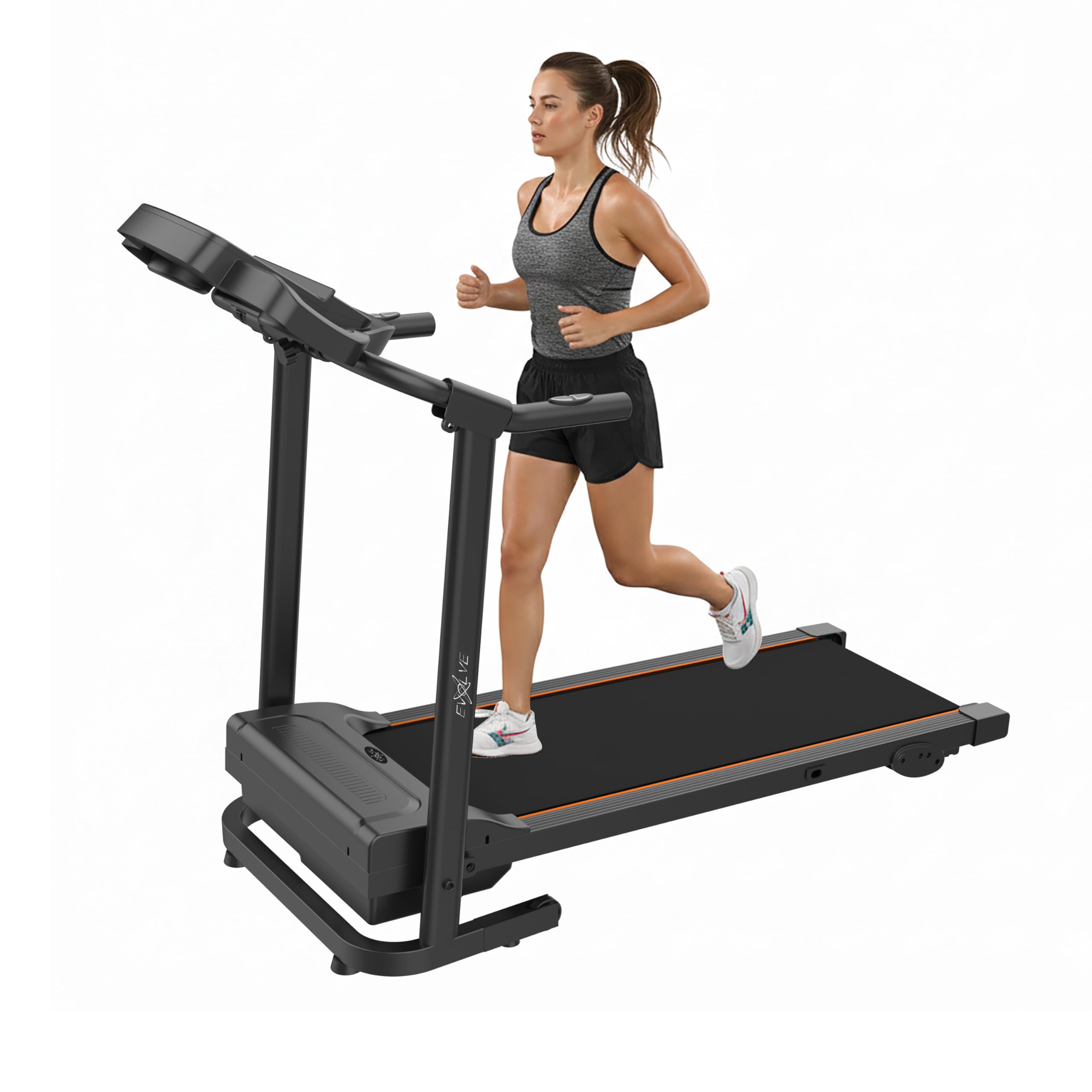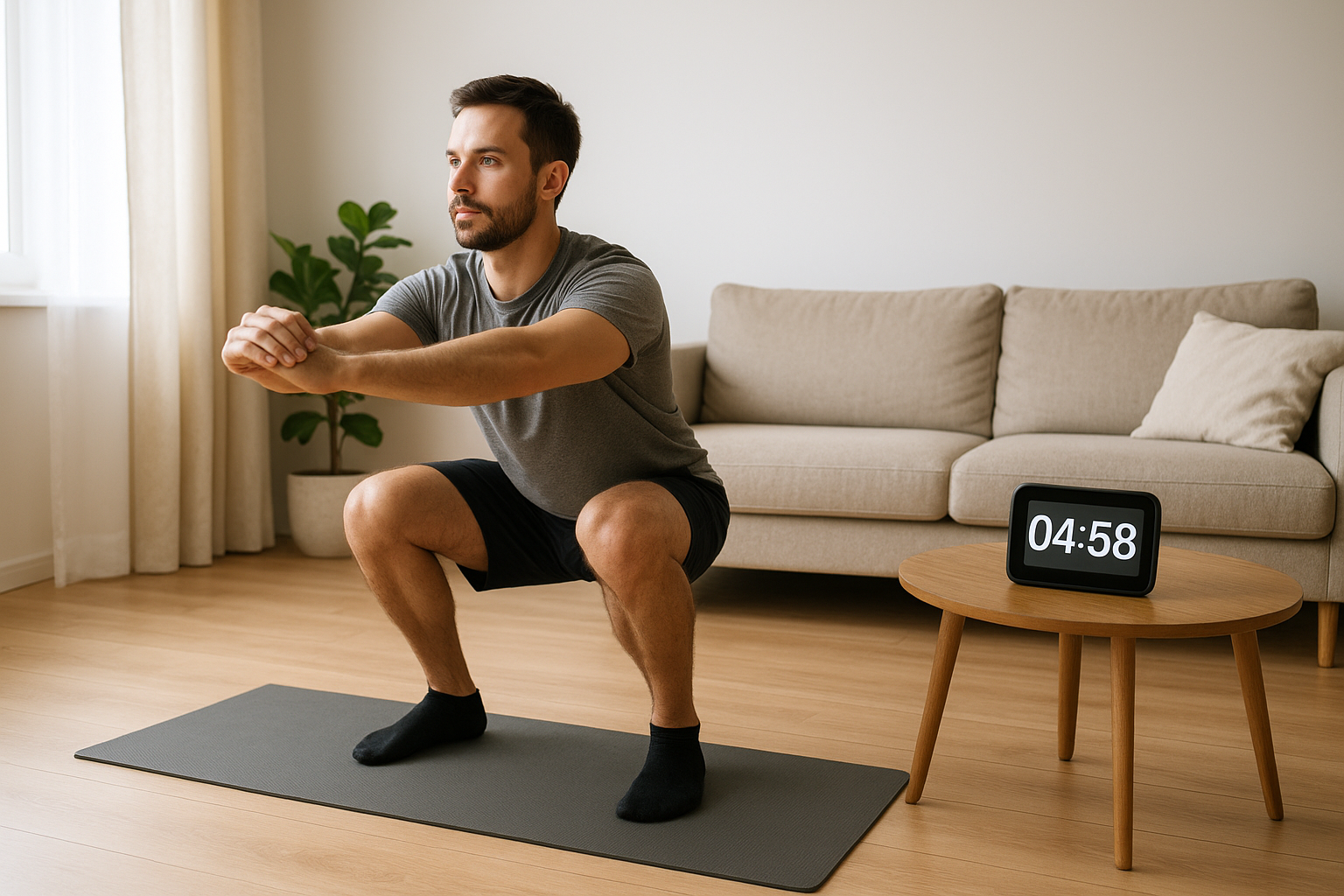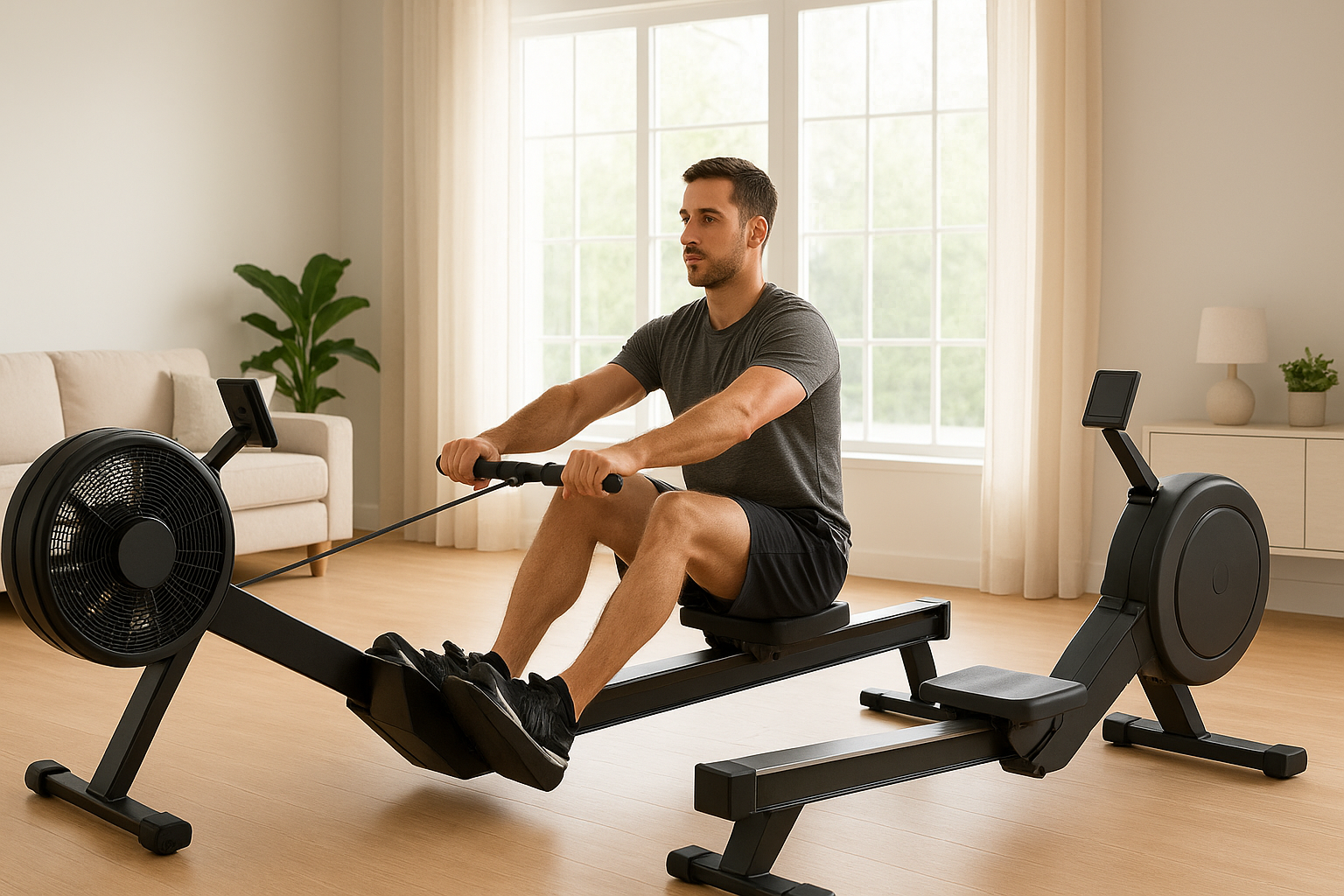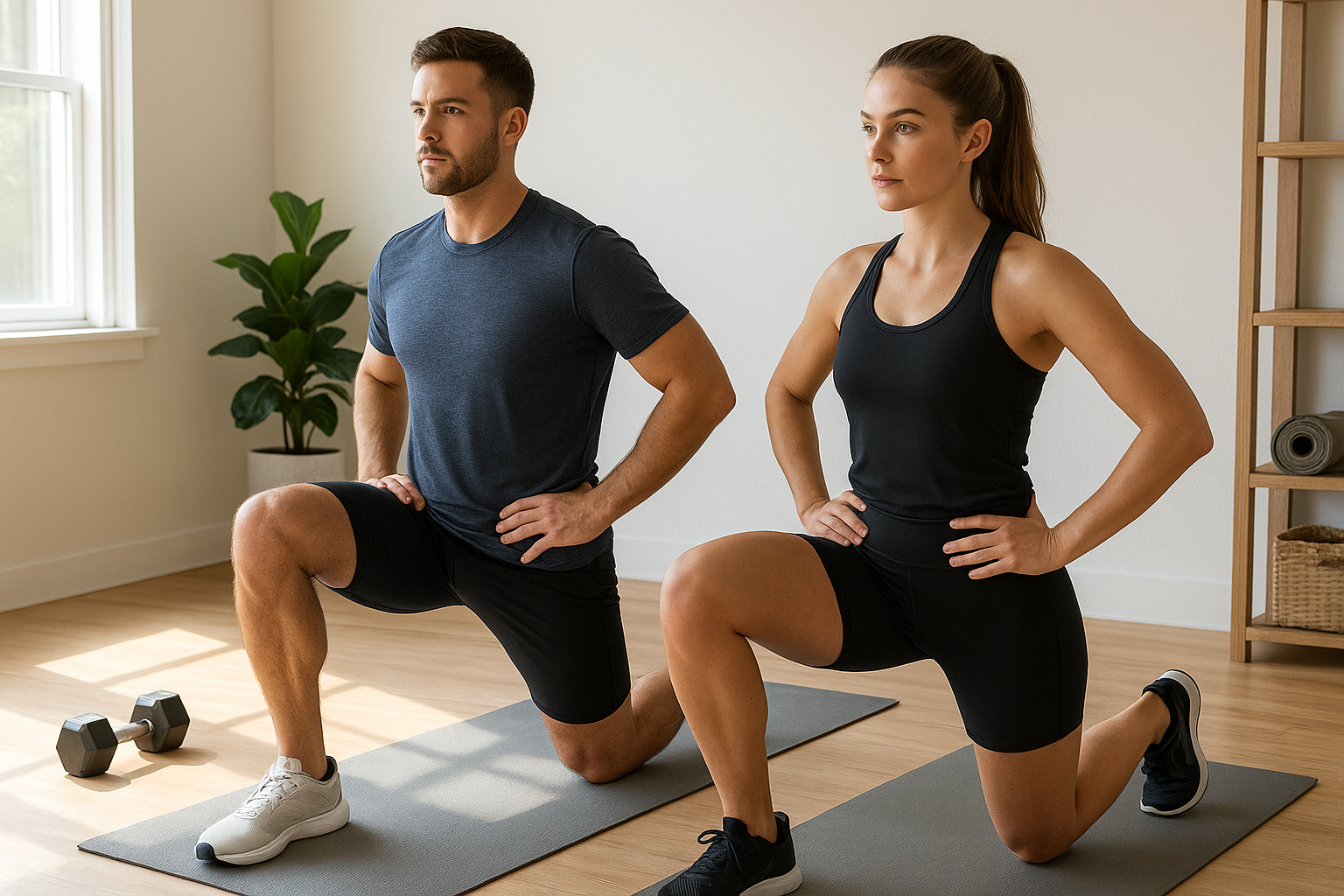
Choosing the right home workout shorts can make the difference between a focused training session and one spent tugging at fabric, overheating or worrying about transparency. When you train in your living room, you need a smart balance of flexibility, coverage and durability that works for everything from yoga flows to dumbbell squats and living‑room HIIT. Below you’ll find a practical guide to fabrics, fit, waistbands and pockets, with real product examples you can use as a reference.
Table of contents
Fabric first: breathability, stretch and opacity
For home training, look for moisture‑wicking performance fabrics with enough four‑way stretch to squat and lunge without resistance. A classic example is a polyester‑spandex blend as found in many gym styles: this combo dries quickly, resists wrinkles and offers great mobility. Prioritise opaque fabrics so they don’t go see‑through during deep squats or yoga poses, especially in lighter colours. If you prefer a softer touch, opt for brushed knits or cotton‑rich blends but make sure there is at least 10–15% elastane or similar to prevent sagging at the knees and seat. For intense HIIT or cardio, lightweight technical weaves are ideal, while thicker knits are better suited to strength work and cooler rooms.
Finding the right fit and length for home workouts
Fit and length are crucial for both coverage and comfort. Women who like minimal distraction during yoga or Pilates often prefer mid‑thigh compression shorts or bike shorts, which stay put during inversions and floor work. Men may opt for mid‑thigh training shorts with a close, but not tight, cut to avoid fabric flapping during jump squats. In both cases, avoid overly baggy options that can catch on equipment or ride up when you lie on a mat. As a rule of thumb, a 5–7 inch inseam works well for mixed training, while 7–9 inches offers more modesty for shared spaces. Make sure there is enough room through the hips and glutes to move freely without the fabric pulling or the hem cutting into your thighs.
Waistband design: staying secure without digging in
A well‑designed waistband keeps your shorts in place through burpees, planks and loaded squats. Look for a wide elastic waistband that distributes pressure evenly and doesn’t roll when you bend forward. Internal drawcords are particularly useful if you switch between low‑impact yoga and high‑impact cardio, because you can cinch them tighter for jumping sessions. High‑rise waistbands can offer extra core support and a feeling of security for women during dynamic movements, while mid‑rise works well for men who prefer less coverage around the torso. Avoid thin, rigid bands that dig into the waist, as they become uncomfortable during longer sessions or when you’re seated between sets.
Pockets, liners and details that matter in the living room
Even at home, pockets and internal liners can elevate your workout experience. A couple of discreet side pockets or a zipped rear pocket are handy for holding your phone, remote or small accessories while you train. For men, built‑in mesh liners can replace separate underwear for a more streamlined feel and less chafing, especially in sweaty HIIT workouts. Women might appreciate hidden waistband pockets for keys or earbuds during balcony or garden sessions. Flatlock seams and tagless labels reduce irritation during movements like sit‑ups or Russian twists, where your waistband or side seams rub repeatedly against the floor or mat. Reflective details are less critical indoors but become useful if you occasionally take your home‑gym routine outside for an evening run.
Matching shorts to your training style
Different training styles call for slightly different short designs. For strength training, prioritise stable, mid‑length shorts that won’t ride up under a barbell or resistance bands, with enough stretch to hit full depth in squats and lunges. For yoga and Pilates, compressive bike shorts or soft, body‑hugging styles provide security in deep stretches and inversions. If you love high‑intensity cardio in the living room—think mountain climbers, jump squats and sprints on the spot—look for ultra‑breathable fabrics, quick‑dry technology and a lock‑in waistband to prevent constant readjustment. Having at least two pairs—one more compressive, one more relaxed—means you can rotate based on the day’s workout and the room temperature.
Ultimately, the best home workout shorts for men and women are the ones you forget you’re wearing. Balance flexibility, coverage and durability by choosing breathable, opaque fabrics, a secure but comfortable waistband, and a fit that suits your primary training style. Pay attention to practical details like pockets, liners and seam placement, and you’ll build a small rotation of shorts that serve you from quiet morning stretches to loud evening HIIT—without ever needing to leave your living room.