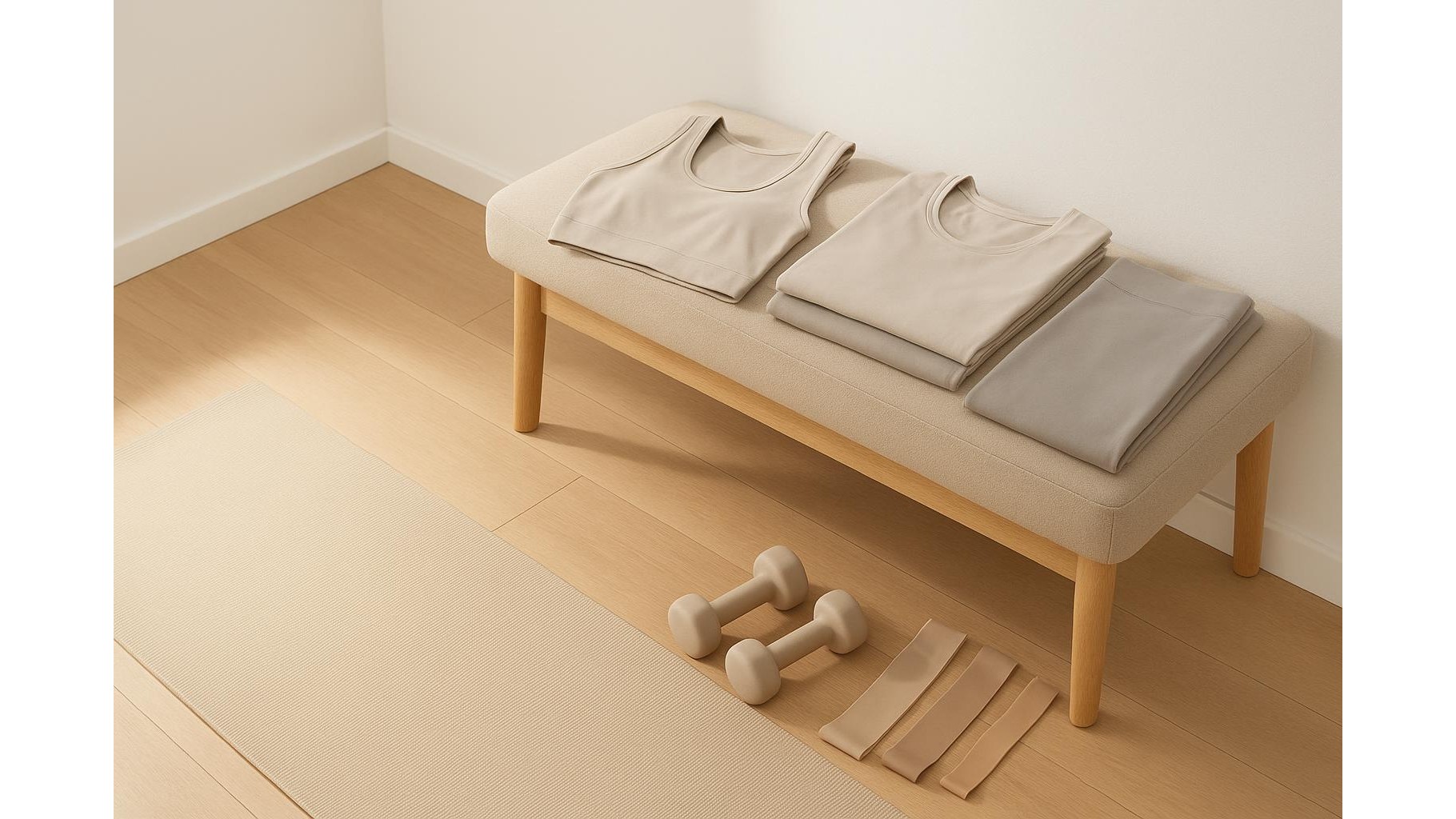
For athletes who are sensory-sensitive, building a home gym is only half the battle. The wrong outfit can turn a great training session into a constant distraction of scratchy seams, tight waistbands and stiff fabrics. Choosing the right home workout clothes means paying attention not just to style and support, but to tags, seam placement, and fabric texture. With a few smart criteria, you can assemble a kit that feels almost invisible on your skin while still supporting serious training.
Understanding sensory triggers in workout clothing
If you’re sensitive to touch, you probably notice details most brands ignore: a raised seam on the inner thigh, a printed logo that feels like plastic, or a narrow waistband that digs in after a few squats. Common triggers include itchy neck tags, thick overlocked seams, abrasive synthetic blends, and compression that’s too tight. At home, where you want to relax and focus, these distractions are even more frustrating. Start by listing your personal “no-go” sensations: maybe it’s brushed elastics, maybe it’s any kind of mesh. Use that list as a filter when reading product descriptions and reviews so you avoid designs that are likely to irritate your skin.
Fabrics that actually feel soft on sensitive skin
The fabric is the first thing your skin feels, so it matters more than the colour or cut. Look for high-cotton blends, modal, or bamboo-viscose fabrics when you want a naturally soft hand-feel that breathes well during home workouts. For performance, some brushed nylon and polyester blends can also feel cloud-soft if they have a high percentage of elastane and a peached surface. Avoid rough polyester, shiny “swishy” fabrics and any description that emphasises compression without mentioning softness. When shopping online, search terms like “super soft”, “buttery feel”, “second skin” and “for sensitive skin” can help you narrow options that are more likely to feel comfortable for long, sweaty sessions at home.
Seams and tags: small details, big difference
For sensory-sensitive athletes, seams and labels are often the real villains. Prioritise tagless workout tops and leggings with printed care labels instead of sewn-in tags at the neck or waistband. Seek out designs marketed as seamless or with flatlock seams; these lie flatter against the skin and reduce rubbing, especially in high-friction zones like inner thighs, armpits and under the sports-bra band. When you find a top or pair of leggings that works, note how the seams are placed—side seams moved slightly forward, or shoulder seams that are offset, often feel better under movement and during floor work. At home, you can also customise gear by carefully removing any remaining tags and wearing items inside out if external seams feel smoother.
Finding the right balance of support and softness
Comfort does not have to mean flimsy. The goal is to combine gentle support with irritation-free design. For bottoms, look for wide waistbands that distribute pressure instead of narrow elastic that pinches. A mid-compression legging in a soft, four-way stretch fabric usually offers enough support for squats, lunges and cycling without the “sausage casing” sensation. For sports bras, choose encapsulated designs or soft, wide underbands with minimal hardware. Adjustable straps are helpful, but avoid sharp-edged sliders or hooks that might dig in during floor exercises. At home, you can also rotate between higher-support pieces for jump-heavy workouts and ultra-soft sets for yoga, mobility and recovery days, so your skin gets regular breaks from tighter gear.
Practical tips for building a sensory-friendly home workout wardrobe
Building a sensory-friendly workout wardrobe is a process of testing and refining. Start with one or two pieces that meet your fabric and seam criteria, and try them across different home sessions: strength, mobility, cardio. Pay attention to what bothers you after 20–30 minutes, not just when you first put the item on. Use layering—a super soft base layer with a looser top or joggers over it—to reduce friction from rougher pieces you already own. Stick to a few trusted colours and cuts so getting dressed for your home workout becomes automatic, not overwhelming. Over time, phase out anything that makes you fidget, and invest instead in duplicates of your most comfortable items so you always have a clean, irritation-free option ready.
Ultimately, the best home workout outfits for sensory-sensitive athletes are the ones you barely notice while moving. By focusing on soft fabrics, tagless construction, minimal seams and the right level of support, you can create a kit that respects your nervous system and lets you train hard without constant discomfort. A few intentional choices now can turn your living room, garage or spare room into a space where both your body and your skin feel genuinely at ease.