Working out at home should feel like a safe space, but if you struggle with body image, even choosing what to wear can trigger discomfort. The goal is not to squeeze into aspirational outfits, but to build a small rotation of home workout clothes that offer comfort, coverage and gentle confidence. With the right fabrics, cuts and layering strategies, you can move freely, stay cool and feel mentally ready to train consistently.
Prioritise comfort over performance aesthetics
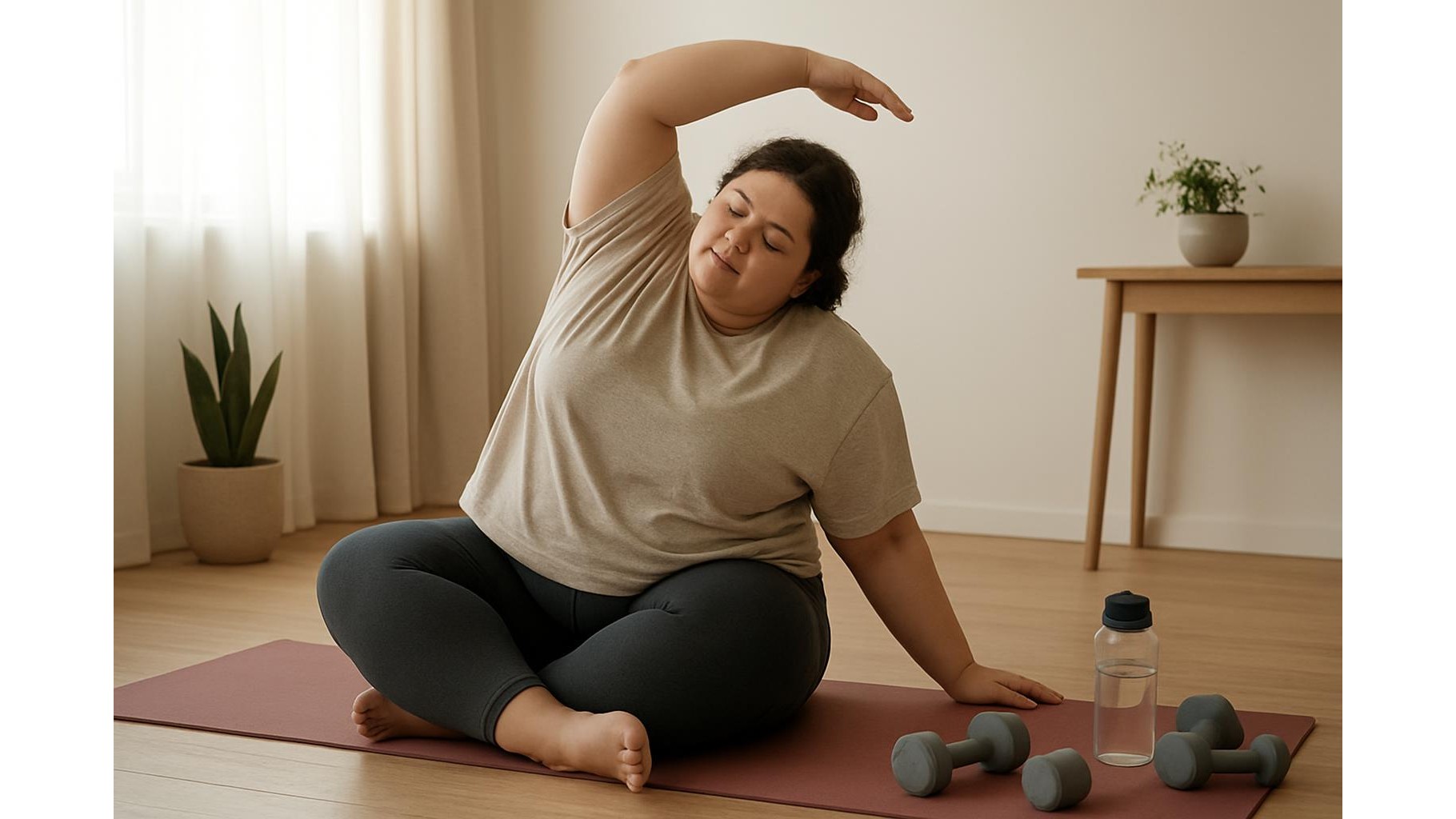
When your relationship with your body is complicated, hyper–revealing or compressive styles can make movement feel like a spotlight, not a support. Start by choosing soft, stretchy fabrics that do not dig in at the waist, under the bust or around the arms. Look for tags like “seamless” or “4‑way stretch” and avoid anything that leaves marks on your skin after a few minutes. Opt for relaxed silhouettes for tops and gently supportive leggings or joggers for bottoms. At home, you do not need fashionable cut‑outs or extreme compression: you need pieces that let you forget about your clothing so you can focus on your breathing and your reps.
Choose coverage that feels safe, not suffocating
Coverage is a powerful tool when you feel self‑conscious, but it must be balanced with breathability. Instead of piling on heavy layers, focus on strategic coverage: tops that are slightly longer over the stomach and hips, sleeves that reach mid‑bicep if you dislike your upper arms, and high‑rise waistbands to prevent rolling when you bend or sit. Lightweight, opaque materials are key: thin fabrics that you can move in without worrying about see‑through moments. You might feel more secure in darker colours for leggings while keeping tops in softer, uplifting shades. The aim is to feel held and covered without overheating or feeling trapped in your clothes.
Use simple layering to manage anxiety and temperature
Layering is one of the most effective ways to support both body confidence and temperature control in a home gym. Start with a breathable base like a light sports bra or fitted vest, then add a loose T‑shirt or thin long‑sleeve as your comfort layer. As you warm up and your anxiety drops, you can remove a layer without ever feeling exposed. Consider keeping a thin zip‑up hoodie or open cardigan nearby for moments when you feel vulnerable between sets. Because you are training at home, you can experiment freely: some days you might prefer a bigger T‑shirt over leggings, other days a longline top over soft shorts. Your outfit should adjust to your emotional state as much as to the room temperature.
Pick fabrics that support movement and modesty
Fabric choice is crucial when you care about coverage but dislike feeling hot and restricted. Look for moisture‑wicking materials that draw sweat away from the skin without clinging excessively. Blends with polyester or nylon plus elastane are ideal for leggings, while cotton‑rich knits with a touch of stretch can work well for tops if they are not too heavy. Avoid overly shiny fabrics that highlight every contour; instead, aim for matte finishes that visually smooth the silhouette. Check how the fabric behaves in movement: squat in front of a mirror at home to see if it becomes sheer, twist your torso to test if it rides up. When your clothes behave predictably, your brain is free to focus on effort, not on whether your outfit is betraying you.
Style tricks to build quiet confidence and consistency
Small, intentional styling choices can make your home workouts feel more like self‑care than punishment. Choose one or two workout outfits that you mentally label as your “training uniform”; this reduces decision fatigue and builds a comforting ritual. Coordinate colours in a way that makes you feel grounded – tonal outfits in blacks, navies or earth tones often feel less exposing than bright contrasts. If mirrors feel triggering, position them behind you or use them only for form checks, not body checks. Most importantly, align your outfit with your workout purpose: if today is about gentle mobility, choose your softest, loosest clothes; if you are lifting heavier, wear pieces that give you a slight sense of structure. Over time, your brain will associate these outfits with competence and progress, not criticism.
The right home workout outfits are not about impressing anyone; they are about creating a private environment where your body feels respected and your mind feels safe enough to show up consistently. By prioritising comfort, intelligent coverage, breathable layers and a few simple styling habits, you give yourself one less barrier between intention and action. Your clothes become quiet allies in rebuilding trust with your body, one home session at a time.