Training in a cold garage or basement can be a shock to the system, but the right layering strategy turns a chilly space into a highly effective home gym. Instead of throwing on a single thick hoodie, combining base layers, mid layers and light jackets allows you to warm up quickly, manage sweat and avoid overheating during intense sets. This guide explains how to build a smart clothing system so you stay comfortable from your first warm‑up rep to your final cooldown stretch.
Why layering matters in cold home gyms
Cold garages and basements are usually poorly insulated, with concrete floors that drain heat from your body. If you start lifting or doing HIIT in a bulky sweatshirt, you might feel fine for the first few minutes, then suddenly get drenched in sweat and chilled as soon as you pause between sets. Proper home workout layering fixes that by using thin, breathable pieces you can adjust throughout your session. A good system has three roles: a base layer that wicks sweat from your skin, a mid layer that traps warmth without adding bulk, and an outer layer that blocks drafts when you’re resting. The goal is simple: stay warm while you ramp up, shed heat during hard work, and avoid that post‑set shiver that kills motivation.
Building an effective base layer for cold workouts
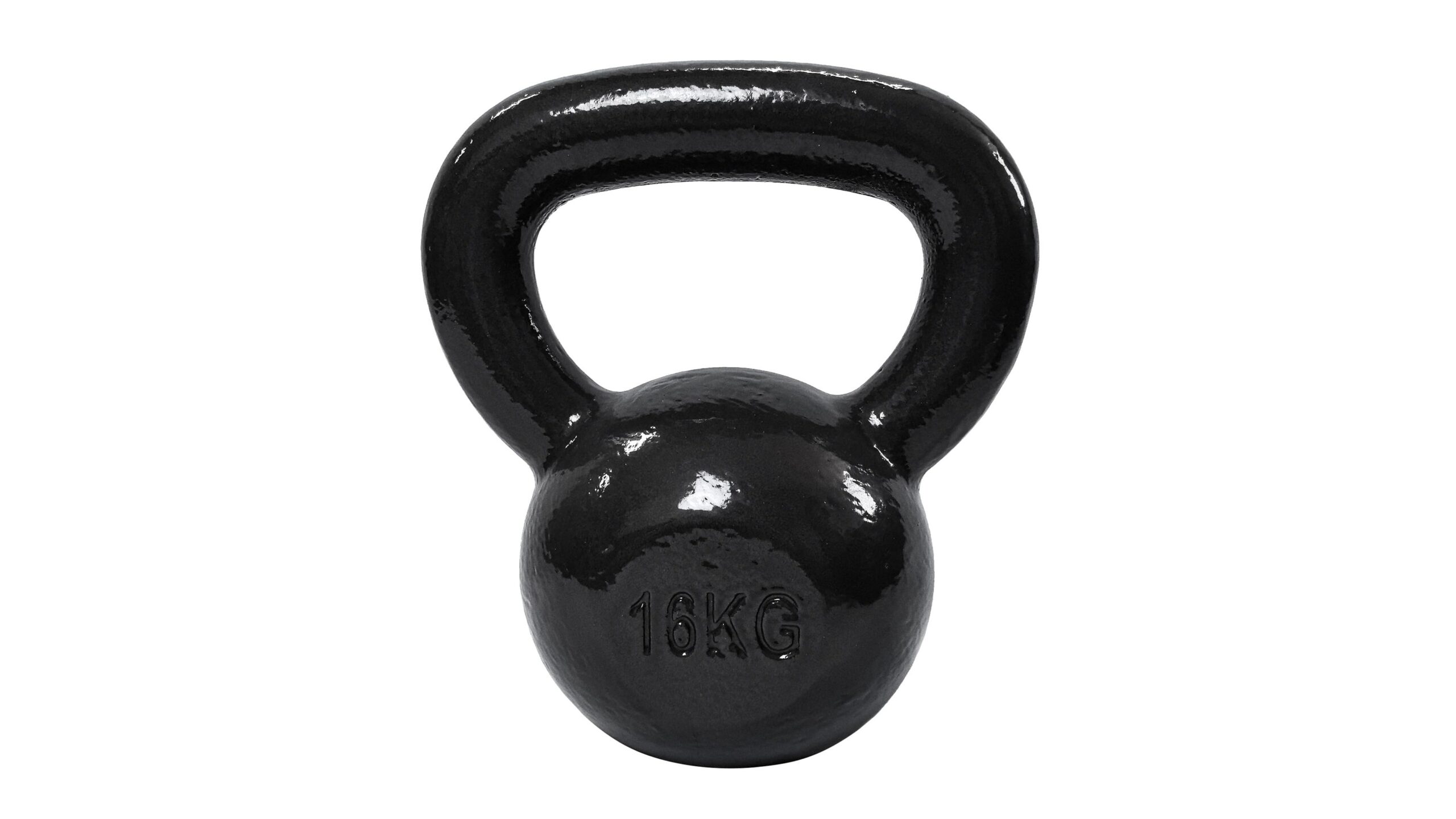
Your base layer is the foundation of your cold‑garage outfit. It should be moisture‑wicking, close‑fitting and stretchy, so it moves with you during squats, presses and rows. Synthetic blends (like polyester and elastane) or merino wool are ideal, because they pull sweat away from your skin and dry quickly. Avoid heavy cotton, which holds moisture and makes you feel clammy as soon as the temperature drops between sets. Look for long‑sleeve compression tops or thermal leggings labelled as breathable and quick‑dry; flat seams are also a plus to prevent chafing during dynamic movements like jump squats or kettlebell swings. The right base layer should feel like a second skin: barely noticeable, but keeping that first layer of warmth locked in while you work.
Choosing smart mid layers that trap heat without bulk
On top of your base layer, the mid layer provides insulation. For most home workouts, a light fleece or fitted sweatshirt works best: warm enough to take the chill off a 5–10 °C garage, but not so heavy that you overheat during compound lifts. Prioritise pieces with full zips or at least a half‑zip, so you can open them up mid‑set to dump excess heat without fully stripping off. Stretch panels under the arms or along the sides help maintain mobility for pressing and overhead movements. Many athletes like a thin grid‑fleece or technical training hoodie that fits snugly over a base layer without bunching. Start your session with the mid layer fully zipped while you warm up, then gradually unzip or remove it as your core temperature rises, throwing it back on during longer rest periods.
Outer shells and jackets: blocking drafts without overheating
In very cold or draughty garages, a lightweight outer shell or training jacket is the final piece of your layering system. You don’t need a heavy winter coat; look for breathable wind‑resistant jackets with mesh panels or venting on the back. A slim, packable running jacket works well over a mid layer, keeping cold air off your chest when you’re setting up equipment or resting between circuits. Full‑length zips, adjustable hems and cuff closures let you fine‑tune airflow. The key is to use the jacket dynamically: wear it zipped up when you first step into the garage, then unzip or take it off entirely once your body temperature climbs. If you’re doing interval training, you can throw it back on for cool‑downs or any low‑intensity work like mobility drills or core finishers.
Practical layering tactics for different workout styles
Different home workouts demand slightly different layering tactics. For heavy strength training with long rest periods, it’s wise to keep your base layer and mid layer on, adding or removing the jacket as needed to avoid cooling down too much between sets. For high‑intensity circuits or garage cardio, start with all three layers, then quickly strip back to base+mid once you feel warm, and even down to just the base layer if you’re sweating heavily. Keep your mid layer nearby so you can put it back on during cooldown stretches. Don’t forget extremities: thin training gloves, a beanie and moisture‑wicking socks can make a big difference to comfort when the floor is icy. Experiment with combinations until you find the sweet spot where you feel warm, dry and unrestricted throughout the entire session.
Dialling in your home workout layering is one of the most underrated upgrades you can make to a cold garage or basement gym. By combining a breathable base layer, flexible mid layer and adjustable outer shell, you can warm up quickly, shed heat as your session intensifies and stay comfortable during every pause. Instead of battling the temperature, your clothing works with your body, keeping you focused on rep quality, progression and consistency. Treat your training outfit like equipment: choose pieces that wick, insulate and ventilate, and your cold home gym will feel like a professional training space year‑round.