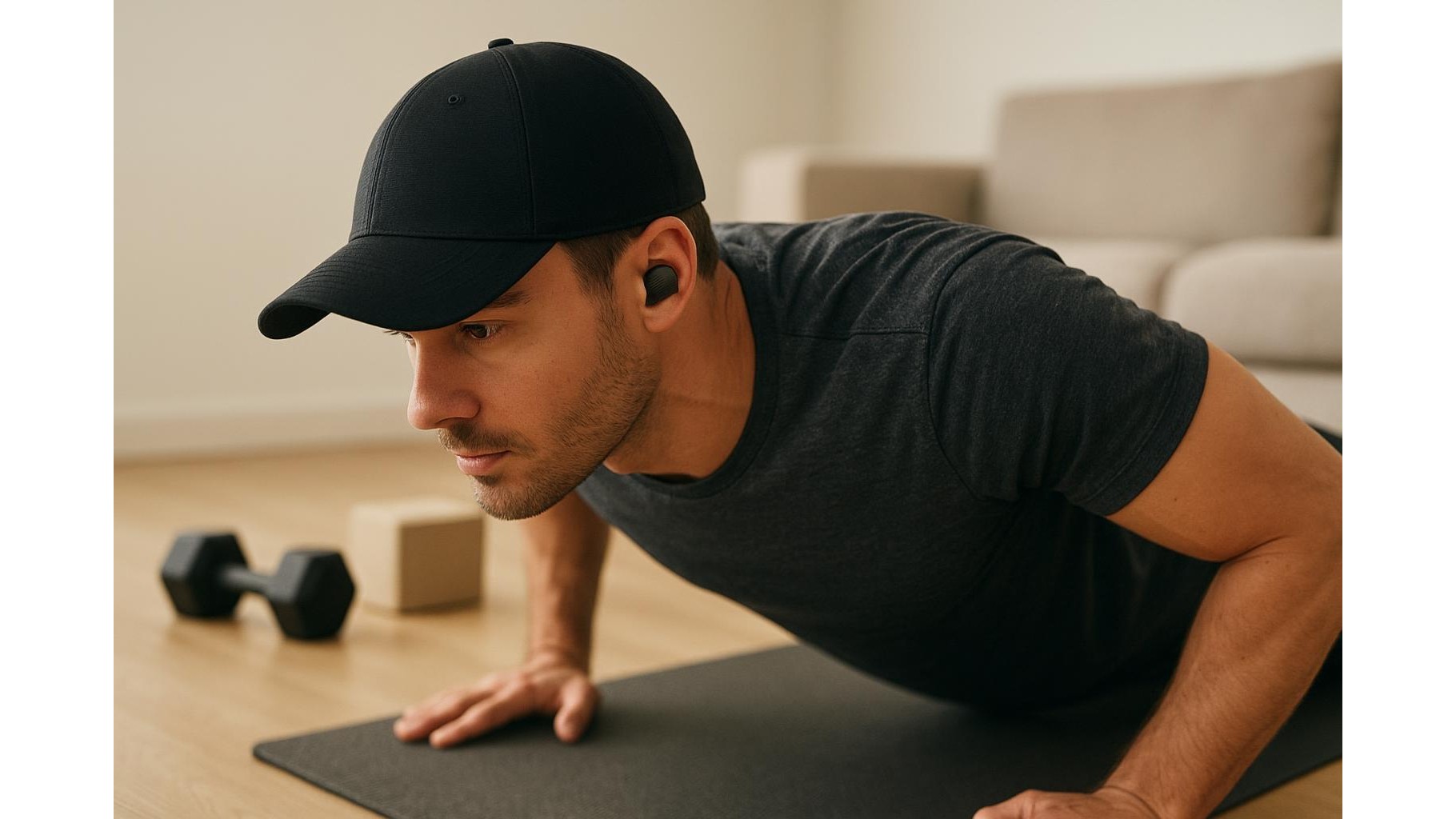
Home training is no longer limited to a yoga mat and a pair of dumbbells. Wearable audio is now entering the home gym too, and one of the most interesting niches is home workout caps with built‑in headphones and audio beanies. These hybrid accessories promise music, podcasts and coaching cues without the hassle of loose cables or bulky over‑ear headphones. But are they really comfortable, safe and effective for different types of indoor training, or are they just a novelty?
What are workout caps and beanies with integrated audio?
At the most basic level, these products combine a hat or beanie with either Bluetooth headphones sewn into the fabric or bone‑conduction speakers integrated into the headband area. Most models pair wirelessly with your phone or smart TV and include simple controls for volume, play/pause and calls. They are mainly designed for casual workouts, light cardio, stretching and mobility sessions rather than heavy, high‑impact training. Compared with traditional earbuds, they feel more like clothing than tech, which can be a big plus if you dislike things inside your ears during longer home sessions.
Comfort and fit for different home workout styles
The main promise of caps with built‑in headphones is comfort. With the speakers embedded in the fabric, there is less pressure on the ear canal, which many users find more comfortable for 45–60 minute routines. However, fit is crucial: if the hat is too loose, the speakers can drift away from your ears and the sound becomes thin and quiet; if it is too tight, it can cause headaches during longer sessions. For low‑intensity yoga, Pilates and mobility work, a soft beanie with flat speakers is often the most comfortable option. For faster HIIT circuits, body‑weight workouts or treadmill intervals at home, a cap or headband design with a slightly firmer structure keeps the audio drivers in the right position when you jump, lunge or sprint.
Safety, situational awareness and hearing health
Even in a home gym, audio safety matters. Traditional in‑ear buds can block household sounds like a doorbell, a child calling or an appliance alarm. Integrated‑audio caps, especially those using bone‑conduction speakers, sit outside the ear and allow more ambient sound through, which improves situational awareness. This can be particularly useful if you share your living space, train while supervising children or need to hear timers from other rooms. On the flip side, many of these products are not as loud or detailed as premium earphones, so you may be tempted to increase the volume. Keeping volume at moderate levels and limiting total listening time is still important to protect your hearing, even if the sound does not feel as intense as sealed in‑ear headphones.
Audio quality, battery life and durability in a home gym
Because they prioritise convenience and form factor, training caps with integrated headphones typically offer good‑enough audio for mainstream use rather than audiophile‑grade sound. Expect clear podcasts and fitness classes, decent pop playlists and enough bass for casual cardio, but not the detail or dynamic range of high‑end headphones. Battery life is a key consideration: most integrated modules provide several hours of playback, enough for multiple sessions between charges, but you should check whether the charging port is easily accessible and whether the controls are intuitive mid‑workout. Durability is equally important in a home gym environment. Look for washable or at least removable electronic modules, sweat‑resistant materials and reinforced seams around the speaker pockets, as this is where cheaper products often fail first.
Who do audio caps and beanies really suit?
These hybrid accessories are best suited to home exercisers who value convenience and lightness over maximum sound isolation. They are ideal if you do low to moderate‑intensity workouts, prefer not to wear in‑ear buds and want to keep some connection to your surroundings. They can also work well for early‑morning or late‑night sessions where you need to keep external noise low but still follow a guided workout on your screen. However, if you train with heavy free weights, perform explosive movements or rely on deep, bass‑heavy music to push you through intense sessions, traditional sports earbuds or over‑ear headphones might still serve you better. Ultimately, workout caps with built‑in headphones are a smart, comfortable option for a specific type of home athlete, but they are not a universal replacement for all other audio solutions.
In summary, home workout caps with built‑in headphones and audio beanies offer a clever blend of comfort, wireless convenience and situational awareness for indoor training. They shine in low‑impact and mixed‑use home settings where you want background audio, coaching cues or podcasts without sealing off the world. Their main limitations are average sound quality, potential fit issues during very dynamic moves and the need to care for both fabric and electronics. If your home workouts are moderate and you dislike conventional earbuds, they are worth considering as a specialised, lifestyle‑friendly addition to your home gym toolkit.