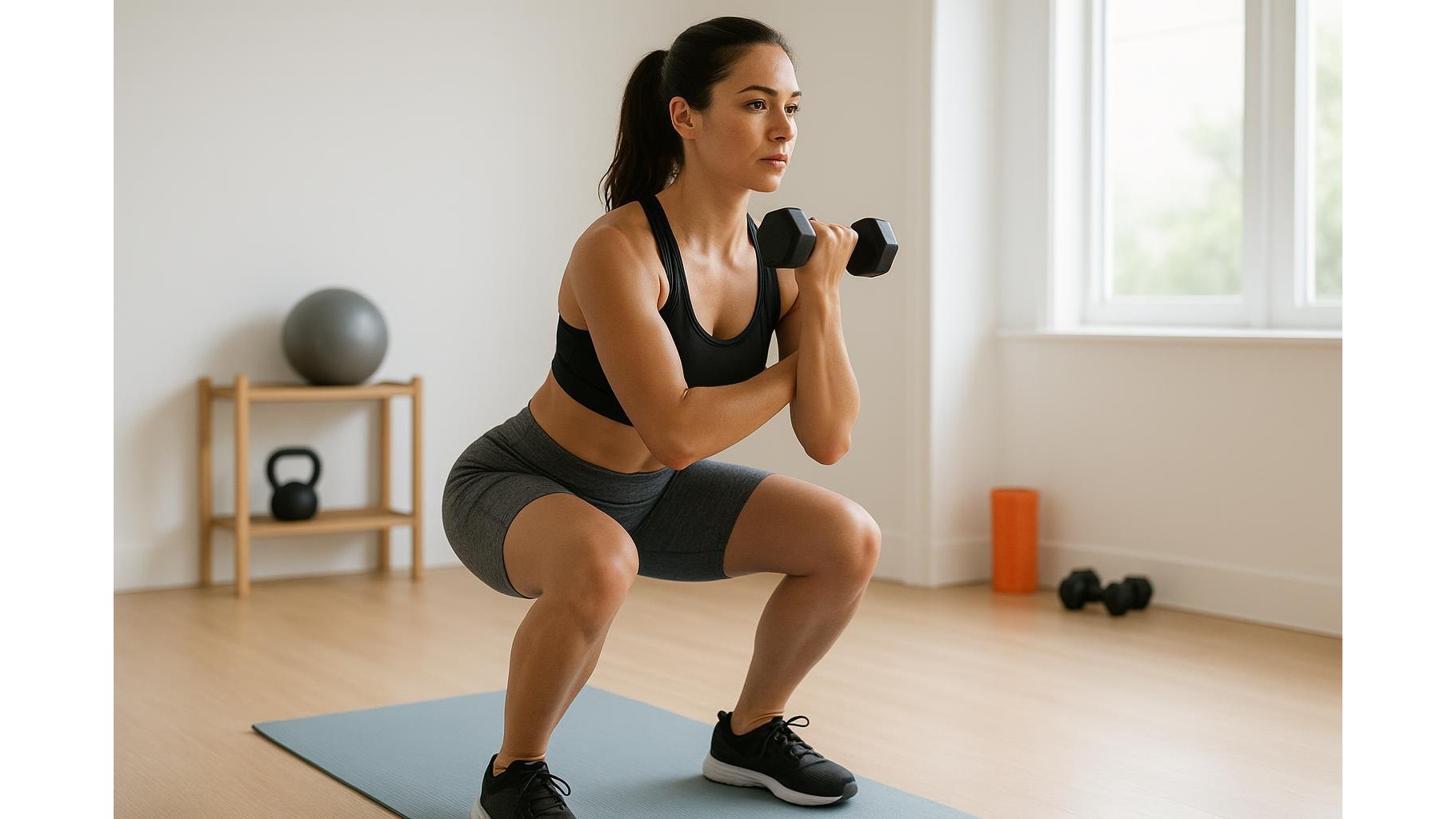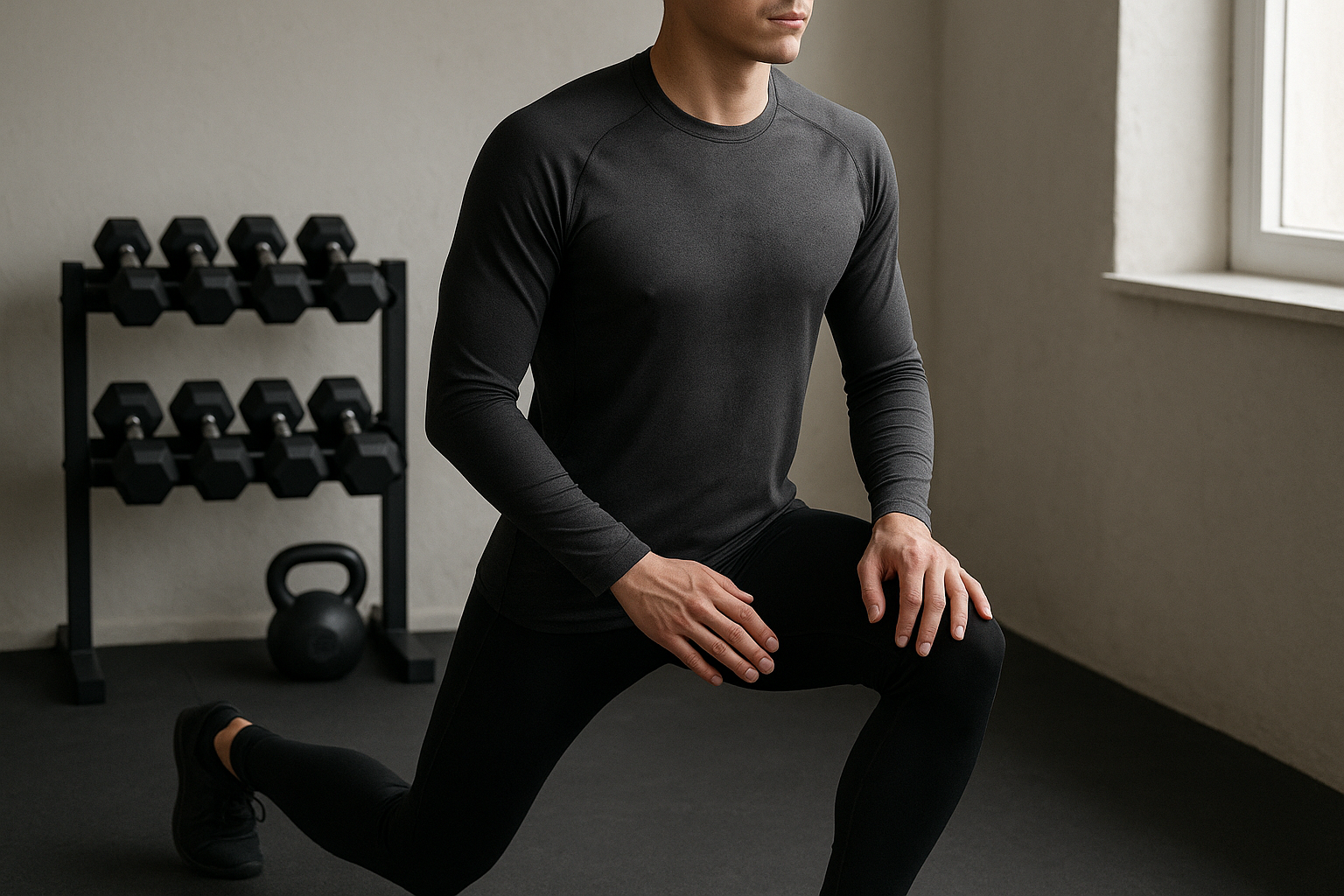
Building a reliable home workout routine is not just about equipment; it’s also about what you wear closest to your skin. The right base layer helps you manage sweat, avoid chills and overheating, and stay focused on training instead of constantly changing clothes. Whether your home gym is a cold garage, a warm spare room or a poorly ventilated corner of the living room, choosing smart, technical layers makes every session more comfortable and effective.
Table of contents
Why base layers matter in a home gym
In a controlled gym environment, air conditioning and ventilation do part of the work. At home, temperatures can swing from icy to stuffy within a single workout. A good technical base layer acts as a second skin: it wicks moisture away from your body, dries quickly and helps regulate temperature. This prevents that clammy feeling during high‑intensity sets and the post‑workout chills that often follow. Instead of relying on heavy hoodies or constantly opening windows, you let the fabric manage your micro‑climate, keeping you drier, fresher and more consistent with your training.
Cold garage sessions: warm yet breathable layers
If you train in a cold basement or garage, you need warmth without bulk. Look for brushed synthetic or merino blend base layers that trap a thin layer of warm air while still moving sweat away from the skin. A long‑sleeve top paired with lightweight leggings works well under shorts or joggers, giving you mobility for squats, deadlifts and kettlebell work. Prioritise a close athletic fit so the fabric can wick efficiently, but avoid anything so tight it restricts deep breathing during heavy sets. Thumb loops, dropped backs and high collars can also help minimise heat loss in draughty spaces while keeping you comfortable as your body temperature rises.
Training in warm or stuffy rooms
When your home gym is a small, warm room with limited airflow, overheating quickly becomes a problem. In these conditions, the best base layers for indoor training are ultra‑light, mesh‑panelled or highly ventilated designs in technical polyester or nylon blends. They pull sweat away and allow it to evaporate fast, helping you keep cool during circuits, HIIT and indoor cycling. Short‑sleeve or sleeveless base layers can be enough, especially when paired with breathable shorts. Focus on pieces that feel almost weightless and dry within minutes between sets, so you avoid the sticky, heavy feeling that often makes home workouts uncomfortable and cuts sessions short.
Choosing the right fabrics and fit
The fabric of your base layer largely determines comfort. Merino wool excels at odour control and temperature regulation, making it ideal if you train daily and don’t want to wash gear after every single session. Synthetic fibres such as polyester, polyamide and elastane deliver superior moisture wicking, fast drying and good stretch for strength training and mobility work. Look for flatlock seams to reduce chafing and a fit that follows your body without compressing your chest or shoulders. A slightly longer hem stops tops from riding up during deadlifts, planks and overhead presses. Remember that a base layer should feel like a second skin: snug enough to function technically, but still allowing full range of motion.
Layering strategies for every season
Smart layering lets you adapt one base layer system to any season in your home gym. In winter, start with a warm, moisture‑wicking base layer and add a light mid‑layer you can remove after your warm‑up. In transitional seasons, a single long‑sleeve base layer may be enough, as long as it balances insulation and breathability. In summer or in poorly ventilated rooms, switch to the lightest, most breathable base layer you own, and rely on fans and hydration rather than thick clothing. Rotate between a couple of tops so you always have a dry option ready, and pay attention to how quickly each fabric dries between sets: that’s a strong indicator of how effectively it manages sweat across changing conditions.
Ultimately, the right home workout base layers act as invisible performance enhancers, keeping you dry, comfortable and focused from warm‑up to cool‑down in any season. By understanding how different fabrics, fits and ventilation features work together, you can build a small, smart wardrobe that suits cold garages, warm lofts and everything in between. Invest in a couple of well‑chosen technical pieces, pay attention to how your body feels during and after each session, and adjust your layering strategy accordingly. Your training will feel smoother, your motivation will last longer, and your home gym will finally work with you rather than against you.