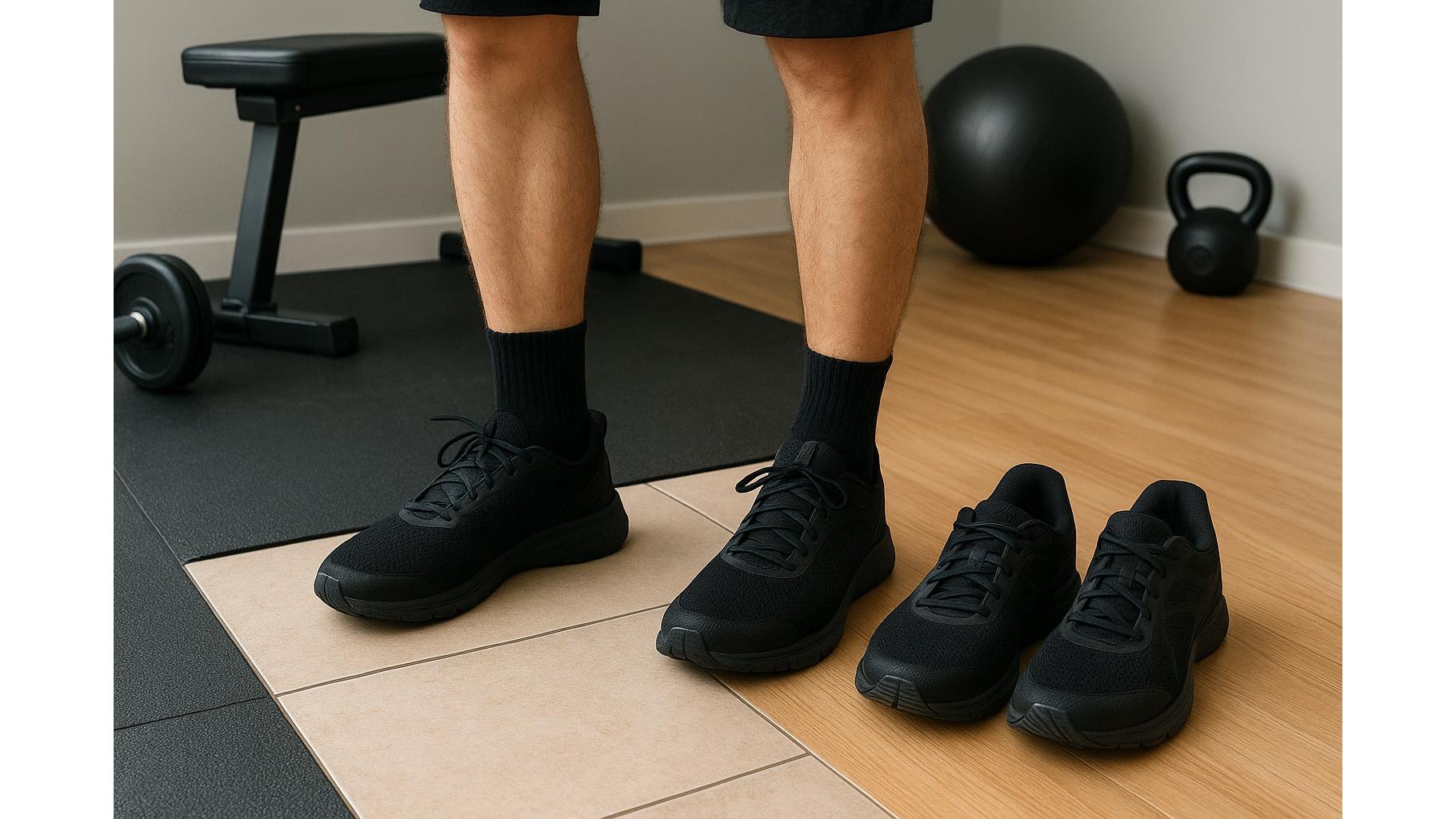
Setting up a home gym often means working out on a patchwork of rubber mats, tiles and wooden floors. Choosing the right home gym shoes is crucial to stay stable during squats, lunges and cardio moves without leaving marks or sliding around. This guide explains what to look for in outsoles, cushioning and upper materials so you can rely on one pair of training shoes for every room in your house.
Outsole grip that works on rubber, tiles and wood
The outsole is the foundation of any good home workout shoe, and it matters even more on mixed flooring. Look for flat, full‑rubber outsoles with a multi‑directional tread pattern: shallow, closely spaced lugs grip rubber flooring without catching, while finer patterns prevent slipping on smooth ceramic tiles and polished wood. Avoid aggressive trail‑style lugs, which can feel unstable on hard indoor surfaces. A slightly wider base through the midfoot and heel improves stability for strength training, while a non‑marking rubber compound helps protect light‑coloured tiles and wooden floors from scuffs.
Cushioning balance: stable for lifting, soft enough for cardio
At home you might go from heavy dumbbell squats to HIIT intervals in the same session, so your shoes need versatile cushioning. Seek out medium‑firm midsoles made from EVA or similar foams that compress slightly for comfort but do not feel squishy under load. Excessively soft running‑style trainers can compromise balance on wooden floors, especially during single‑leg work, while ultra‑minimal shoes can be too harsh when you jump on tiles. A low to moderate heel‑to‑toe drop (around 4–8 mm) helps keep your weight centred for strength work but still feels natural for short cardio bursts, step‑ups and light treadmill running.
Upper materials that breathe and support
The upper of your cross‑training shoes should provide a secure hold without overheating. Look for engineered mesh or knit uppers with strategic reinforcement around the midfoot and heel. This design keeps your foot locked in during lateral moves on slippery tiles while allowing enough airflow for long sessions on dense rubber mats. Synthetic overlays or a sturdy midfoot cage add structure without the weight and stiffness of full leather. A padded, but not bulky, heel collar helps prevent slipping when you change direction quickly, reducing the risk of ankle rolls on smooth wooden flooring.
Fit, stability features and safety at home
In a home gym, clutter and narrow spaces increase the risk of slips, so dialling in the fit of your shoes is essential. Aim for a snug midfoot with enough toe box room to spread your toes during heavy lifts. A wide, stable heel base offers better contact with both rubber and hard floors, enhancing balance during overhead presses or kettlebell swings. Look for features like internal heel counters and midfoot shanks, which reduce unwanted twisting when you move from a grippy rubber mat onto smooth tiles. Good lacing systems—ideally with extra eyelets for a runner’s loop—let you customise lockdown so the shoe moves with you rather than against you.
Practical tips to extend traction and shoe life
Even the best home gym trainers lose grip if you neglect basic care. Keep your rubber mats, tiles and wood swept and dry; dust and sweat create a film that can defeat high‑quality outsoles. Wipe the outsole rubber regularly with a damp cloth to remove chalk, dirt and dried sweat that reduce friction. Rotate your shoes if you train daily, so the midsole foam can recover and maintain its support. If you notice significant smoothing of the tread under the forefoot or heel, especially where you push off for lunges or jumps, it is time to replace them to maintain safe traction across your mixed home surfaces.
Choosing the right home gym shoes for mixed flooring comes down to understanding how outsole pattern, cushioning firmness and upper support work together. A flat, grippy rubber sole, medium‑firm cushioning and a breathable yet supportive upper will keep you stable on rubber mats, tiles and wood alike. By prioritising grip, stability and fit—and maintaining both shoes and floors—you can train confidently anywhere in your home gym setup.