Weekend warriors who love long home gym sessions know that the wrong outfit can ruin the best training plan. Overheating, chafing seams or saggy waistbands make it harder to focus on your reps, your breathing and your motivation. The right home workout clothes should balance all-day comfort with enough technical performance to support strength, cardio and mobility blocks in a single session.
Table of contents
Build a breathable base for long strength blocks
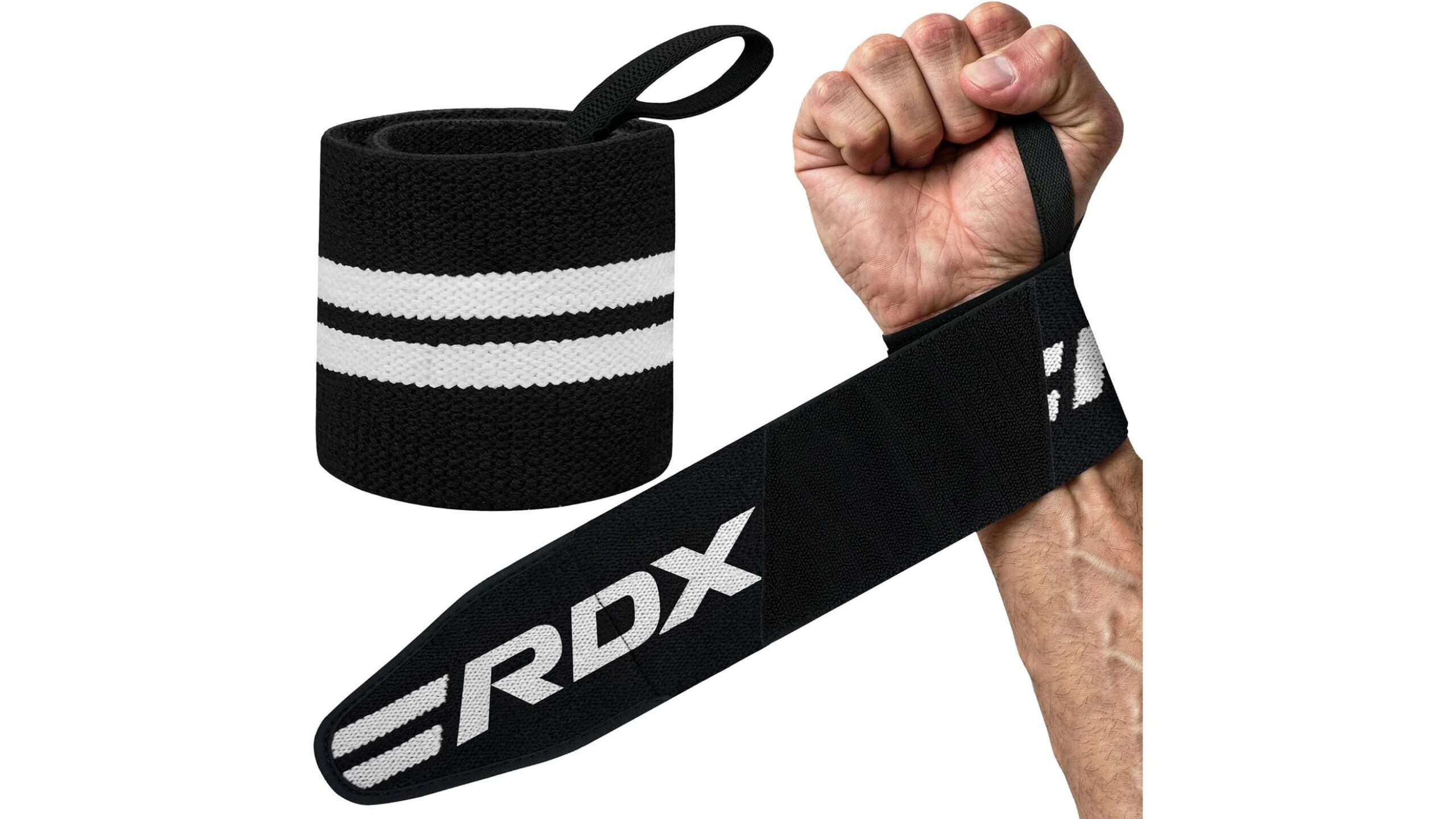
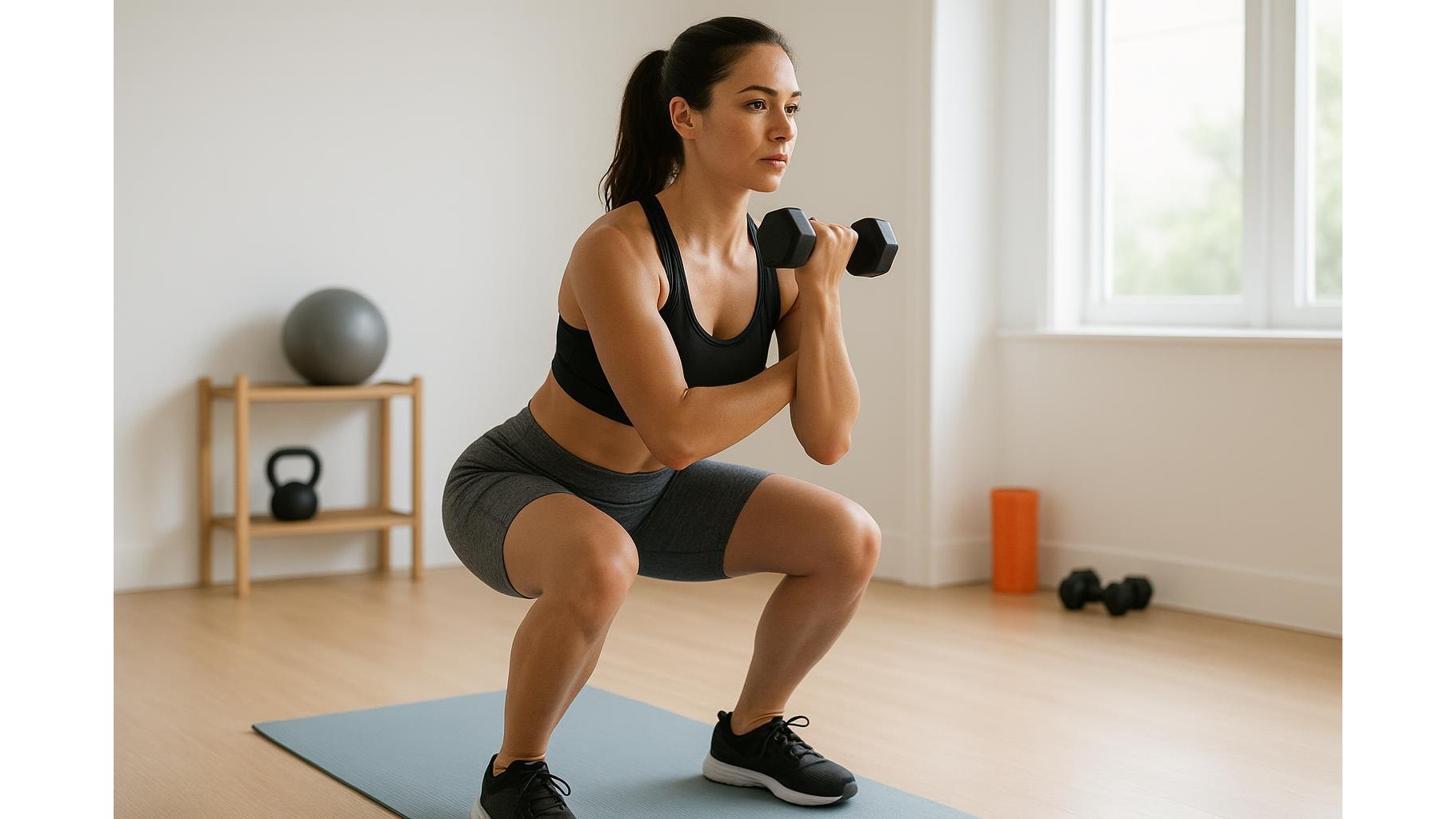
For extended strength training at home, your base layer needs to manage heat and sweat without feeling restrictive. Look for moisture‑wicking fabrics such as polyester or nylon blends with a touch of elastane for stretch. A fitted but not skin‑tight training top keeps your torso warm at the start yet ventilated as the weights get heavier. Avoid heavy cotton, which soaks up sweat and becomes clammy during high‑rep sets. Prioritise smooth, flat seams around the shoulders and underarms to prevent rubbing during presses, rows and overhead movements with resistance bands or dumbbells. A slightly longer hem that doesn’t ride up when you hinge at the hips or lift overhead is ideal for deadlifts, squats and kettlebell swings in your home gym.
Cardio comfort: staying cool on the bike or treadmill
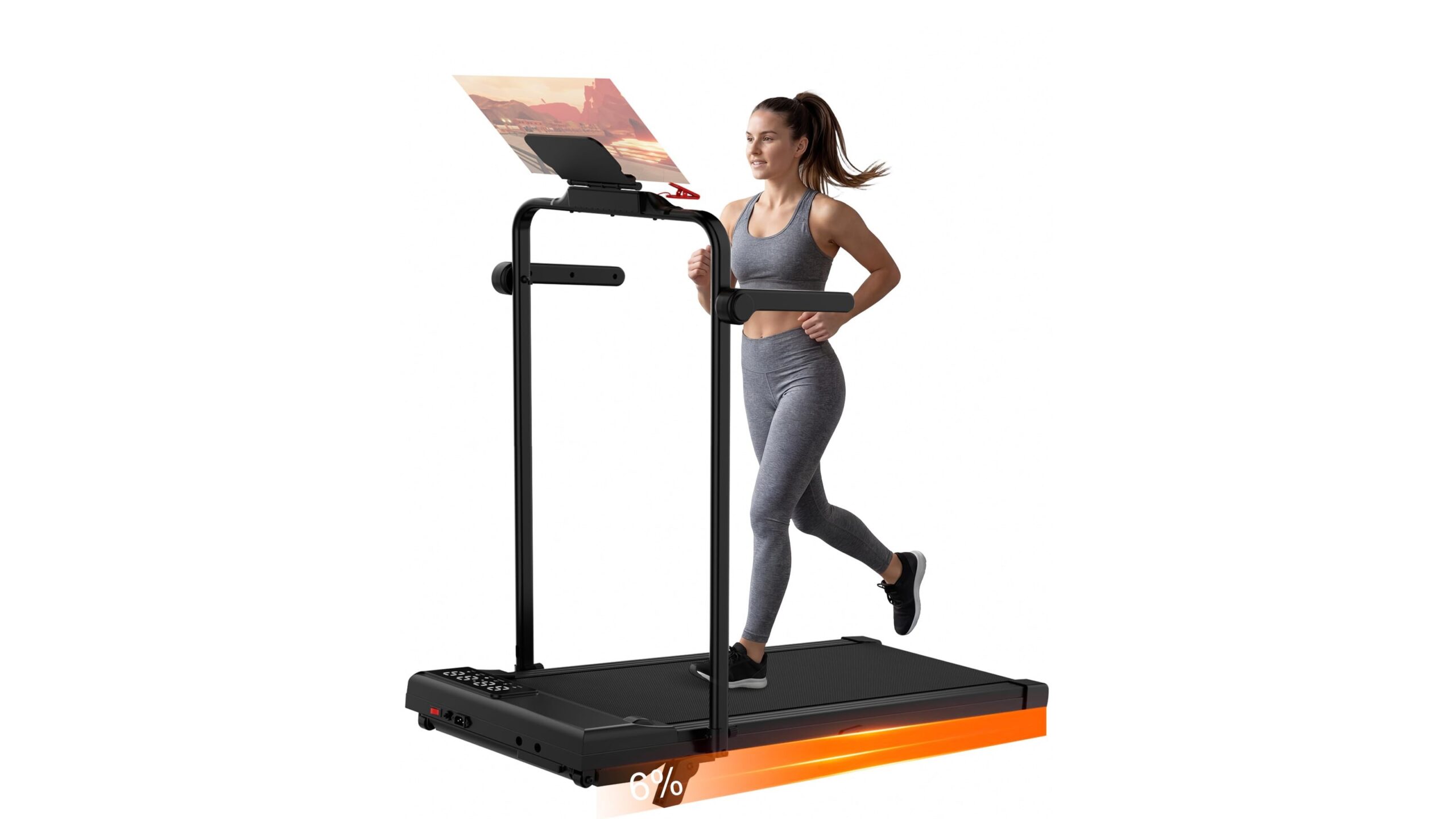
When your plan includes a long indoor bike ride, treadmill run or HIIT circuit, the key is temperature regulation. Choose lightweight, quick‑dry tops with mesh panels or perforated zones along the spine and under the arms to release heat. For bottoms, mid‑thigh or full‑length leggings in breathable, four‑way stretch fabric support your muscles without restricting stride length or pedal stroke. A wide, high waistband will stay put during sprints or burpees, reducing the need for constant readjustments. If your home gym is in a cooler garage, add a thin, zip‑up layer you can easily remove after your warm‑up. Prioritise fabrics that dry quickly between blocks, so you don’t feel chilled when you move from cardio back to slower strength work.
Outfits that support mobility, yoga and recovery work
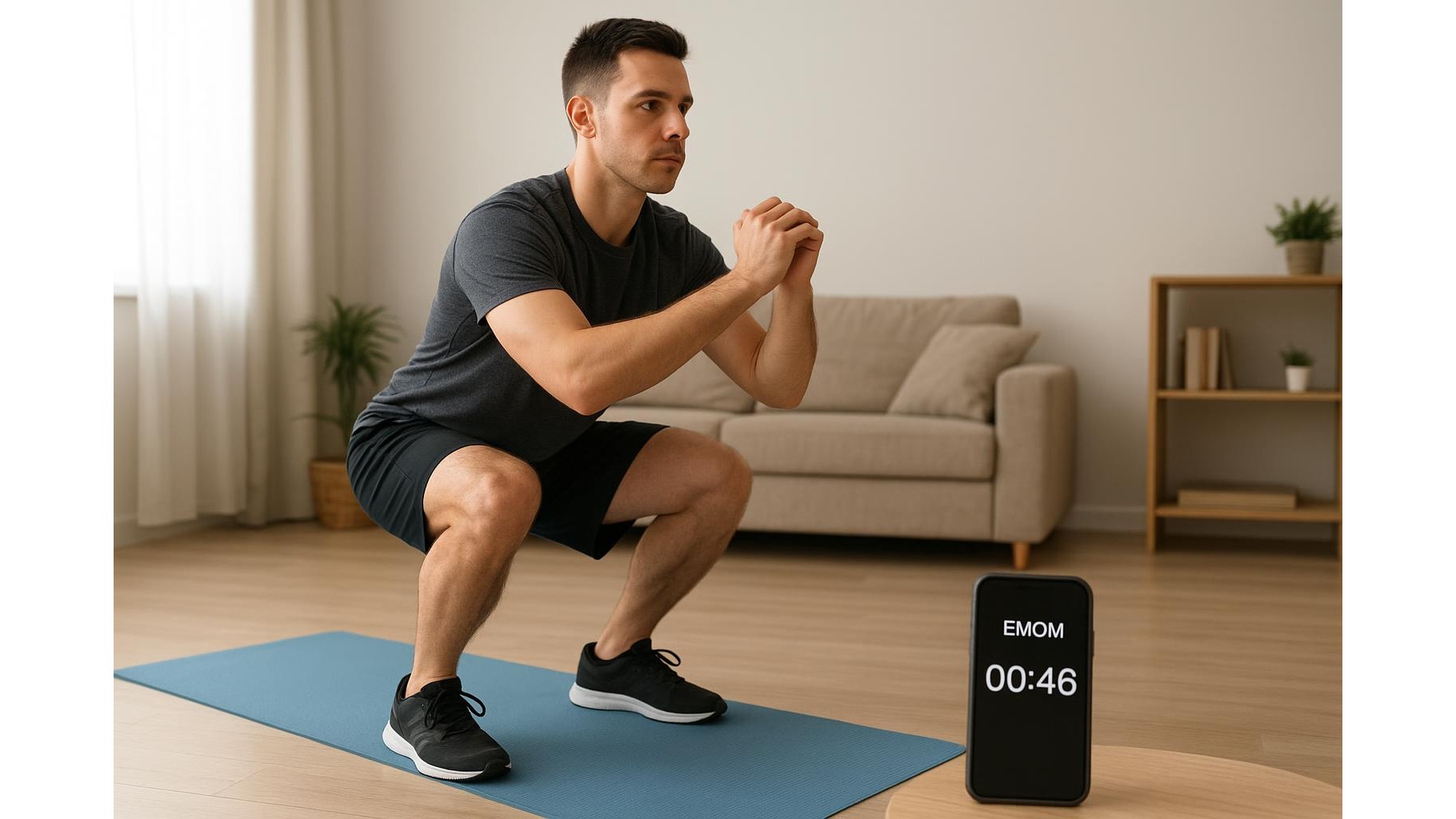
Long weekend sessions should include blocks of mobility, stretching and core to balance intense lifting and cardio. For these slower phases, you want clothing that moves seamlessly with you and doesn’t bunch or dig in when you reach end ranges of motion. Opt for soft, high‑stretch leggings or shorts with minimal seams along the inner thigh to avoid irritation in deep squats, lunges and hip openers. Tops with raglan sleeves or racerback cuts give your shoulders full freedom for overhead stretches and band pull‑aparts. Breathable, slightly warmer fabrics are helpful here, as your heart rate drops and you cool down; think of brushed, lightweight knits rather than heavy fleece. An outfit that transitions smoothly from dynamic work to floor‑based stretches makes it easier to stick to your full mobility routine.
Layering strategies for garage and balcony home gyms
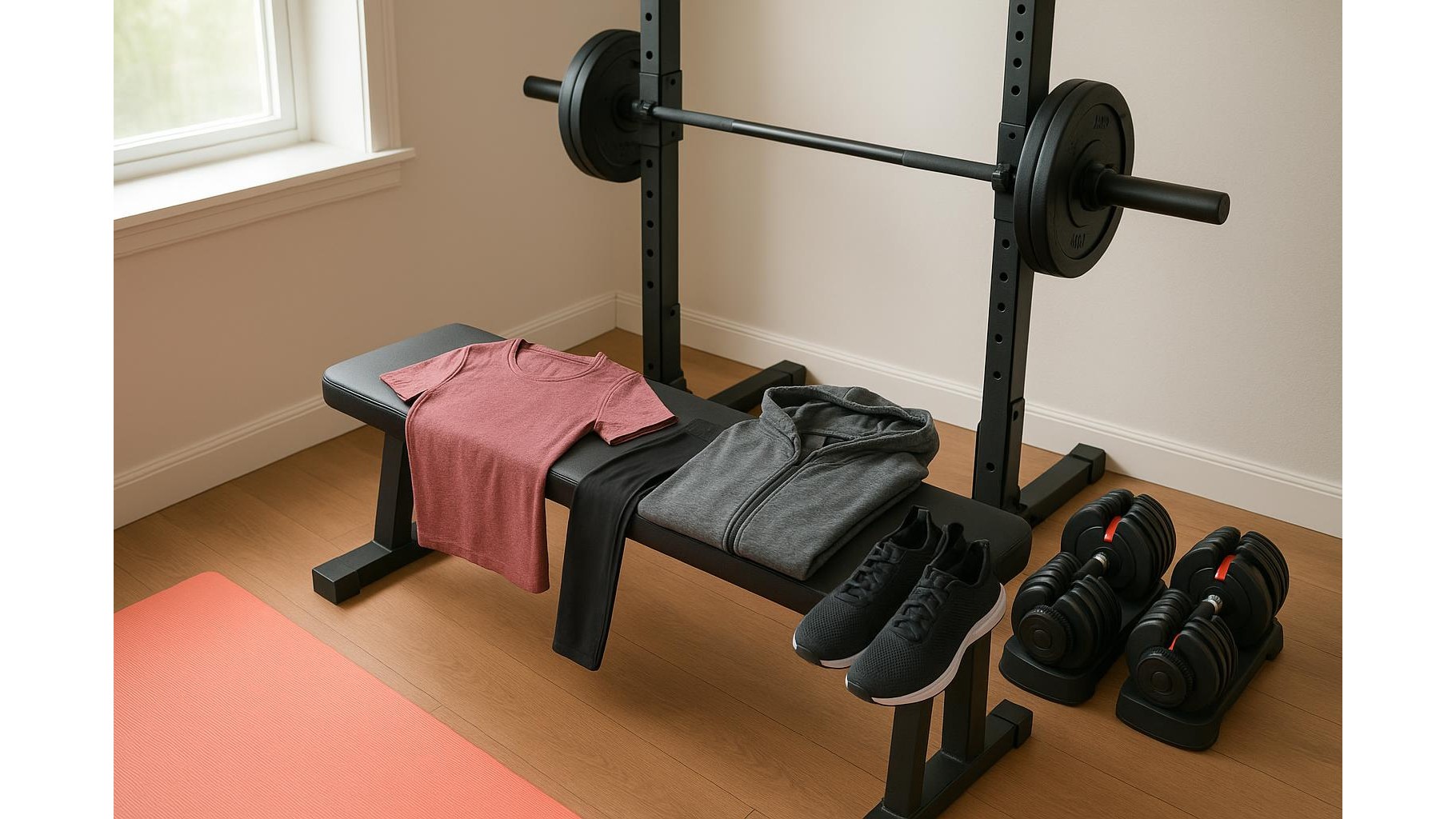
If your home gym setup lives in a garage, shed or balcony, smart layering becomes essential for comfort during long workouts. Start with a moisture‑wicking base layer against the skin, then add a light mid‑layer such as a zip‑through top that traps warmth without bulk. This combination allows you to gradually remove layers as your body temperature rises, rather than overheating early and getting chilled when you open a window or pause between sets. Choose layers with easy zips or half‑zips so you can adjust ventilation on the fly without stopping your timer. For the bottom half, consider slightly thicker leggings or joggers in cooler seasons, but keep the fabric blend technical and stretchy, never heavy cotton. Prioritise cuffs that sit securely at the ankle so there’s no tripping hazard around your bench, rack or rowing machine.
Fit, support and small details that make a big difference
Beyond fabric, the fit and construction of your home gym outfits play a major role in how you feel during long sessions. For tops, aim for a close, streamlined fit that doesn’t flap or cling excessively once you sweat. For bottoms, test squats, lunges and step‑ups to ensure the waistband stays in place and the fabric remains opaque. Women should prioritise a sports bra with sufficient support for their chosen intensity—higher compression for running or jump‑rope, softer support for Pilates or yoga. Pay attention to tagless labels, flat‑lock stitching and soft waistbands, which reduce the risk of hot spots and chafing during 60‑ to 90‑minute blocks. Finally, remember that confidence in how you look can boost focus and consistency: choosing colours and designs you enjoy makes it more likely you’ll stick to your weekend warrior routine in the long term.
Balancing comfort and performance in your home gym outfits comes down to three pillars: smart fabrics, thoughtful layering and dialled‑in fit. When your clothing supports long strength blocks, demanding cardio and focused mobility work without distraction, you can give your full attention to progressive overload, technique and recovery. Invest in a small rotation of breathable, stretchy and supportive pieces that mix and match across seasons, and your weekend sessions will feel more purposeful, consistent and enjoyable.