When you start lifting seriously at home, you quickly realise that not every T‑shirt or pair of leggings can handle heavy barbell knurling, rough benches and constant washing. The wrong fabrics pill, seams blow out under a loaded squat, and thin leggings turn see‑through on deadlifts. Choosing the right home gym outfits for heavy lifters means looking beyond style to construction, fabric blend and fit so your gear survives long cycles of training instead of the first 5×5.
Table of contents
Choosing barbell‑proof fabrics for tops
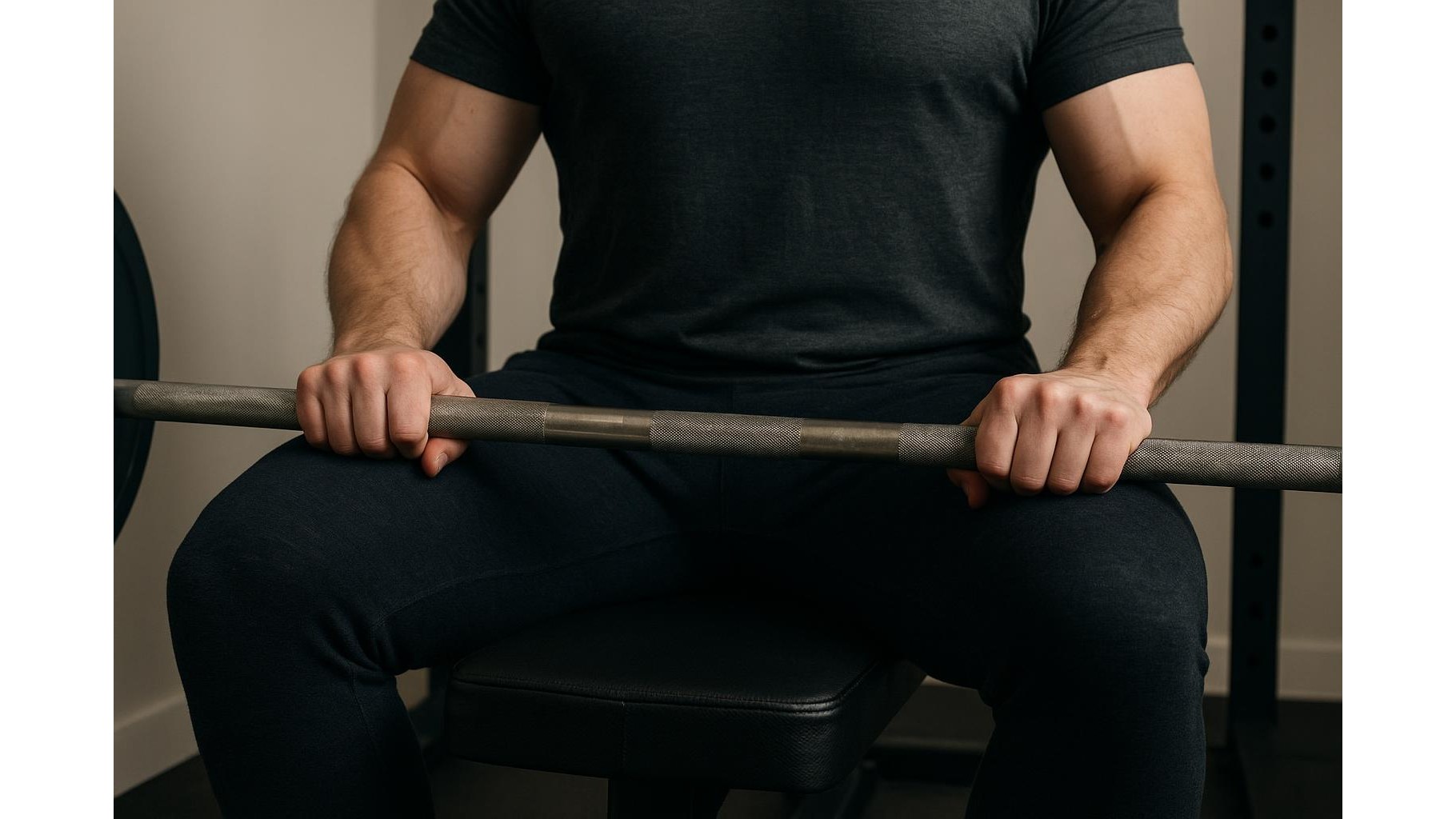
The front of your T‑shirt takes a beating from knurled barbells on cleans, front squats and rows. Look for dense polyester–elastane blends or cotton‑rich fabrics with a bit of stretch, around 5–10% elastane, which resist abrasion better than thin pure cotton. Avoid ultra‑light, ventilated meshes on the chest; they snag easily on barbell knurling. Instead, pick tops described as “training” or “performance” with words like durable, abrasion‑resistant, reinforced in the product description. A slightly heavier GSM (fabric weight) helps the shirt keep its shape after hundreds of washes and bar contacts, while moisture‑wicking fibres stop you from getting soaked on long sessions.
Cut and fit: why length and seams matter
For heavy lifters, the cut of your training top is as important as the fabric. Choose shirts with a longer hem or drop‑tail back so they stay put on overhead presses, pull‑ups and deadlifts, instead of riding up and exposing your midsection at the bottom of a squat. Look for raglan sleeves or articulated shoulder seams, which move with your scapula and reduce seam stress when you bench or row heavy. Flatlock or reinforced stitching around the shoulders and underarms is crucial: these zones bear the tension of lats, pecs and traps under load. A too‑tight, tapered cut across the chest might look sharp, but it accelerates seam failure when you start arching hard on the bench or grinding through heavy lockouts.
Leggings and shorts that survive deadlifts
Leggings and shorts have to endure constant contact with rough knurling on deadlifts, hip thrusts and cleans. Prioritise compression leggings or thick training tights with at least 20% elastane/Spandex and a robust nylon or polyester base: this combo snaps back into shape and resists shin drag and barbell scraping. If you prefer shorts, choose models with a slightly longer inseam and a snug underlayer so they don’t ride up on heavy squats. A gusseted crotch and four‑way stretch prevent transparency and tearing at the hips when you hit deep depth. Avoid cotton‑only joggers for heavy pulling days: they bag out at the knees, catch on the bar and become see‑through over time, especially under harsh home‑laundry conditions.
Stitching, waistband design and wash resistance
Under heavy training, weak seams fail before fabric does. Look for flatlock seams on leggings and shorts to minimise chafing while distributing tension across multiple threads. Double‑stitched or bar‑tacked points at pockets and waist drawcords add strength where you grab and pull the fabric. A wide, high‑recovery elastic waistband with internal drawstring will stand up to repeated bracing and belt use without rolling. For tops and bottoms alike, check that care instructions mention colourfastness and quick‑dry or technical fibres: these materials endure frequent home washing at moderate temperatures without shrinking or losing elasticity. Turn garments inside out before washing and avoid fabric softeners, which break down elastane and reduce the garment’s lifespan under barbell friction.
Outfit strategies for different lifting sessions
It helps to plan specific home gym outfits around the type of session. For heavy squat and deadlift days, prioritise abrasion‑resistant leggings or shorts and a snug, longline top that won’t interfere with the bar path. Bench and upper‑body sessions benefit from tops with more shoulder mobility and thicker fabric over the upper back and traps, where they contact the bench. On dynamic days with cleans, snatches or complexes, opt for fitted sleeves and streamlined cuts so nothing catches on the bar. Keep an older, already broken‑in set for the most abusive lifts and preserve your newest gear for lighter or accessory work. Rotating a few durable outfits like this spreads out the wear and keeps each piece performing longer.
Building reliable home gym outfits for heavy lifters is less about chasing trends and more about understanding fabric, cut and construction. Dense, abrasion‑resistant materials, smart seam placement, supportive waistbands and wash‑friendly fibres all work together to resist barbell knurling, bench contact and constant laundering. By applying these criteria to both tops and bottoms, you create a small rotation of gear that stays comfortable, keeps its shape and survives the grind of serious lifting at home.