Training in a chilly spare room or garage can leave you shivering during warm-up and then drenched in sweat once your heart rate climbs. Building smart home gym outfits for cold rooms is all about strategic layering, choosing the right technical fabrics, and dialling in the fit so your muscles stay protected without you overheating mid-session.
Table of contents
Start with a breathable, sweat-wicking base
The foundation of any winter-friendly home workout outfit is a moisture-wicking base layer. Look for close-fitting tops and leggings made from polyester or nylon blends with added elastane. These materials pull sweat away from the skin and dry quickly, helping you avoid the damp chill that can hit when you pause between sets. Avoid pure cotton for your base: it traps moisture and will leave you cold once your intensity drops. A long-sleeve compression-style top paired with lightweight training tights gives your muscles gentle support and keeps warmth close to the body without adding bulk, making it ideal for strength training, bodyweight circuits and indoor cardio.
Add a light insulating mid-layer you can shed
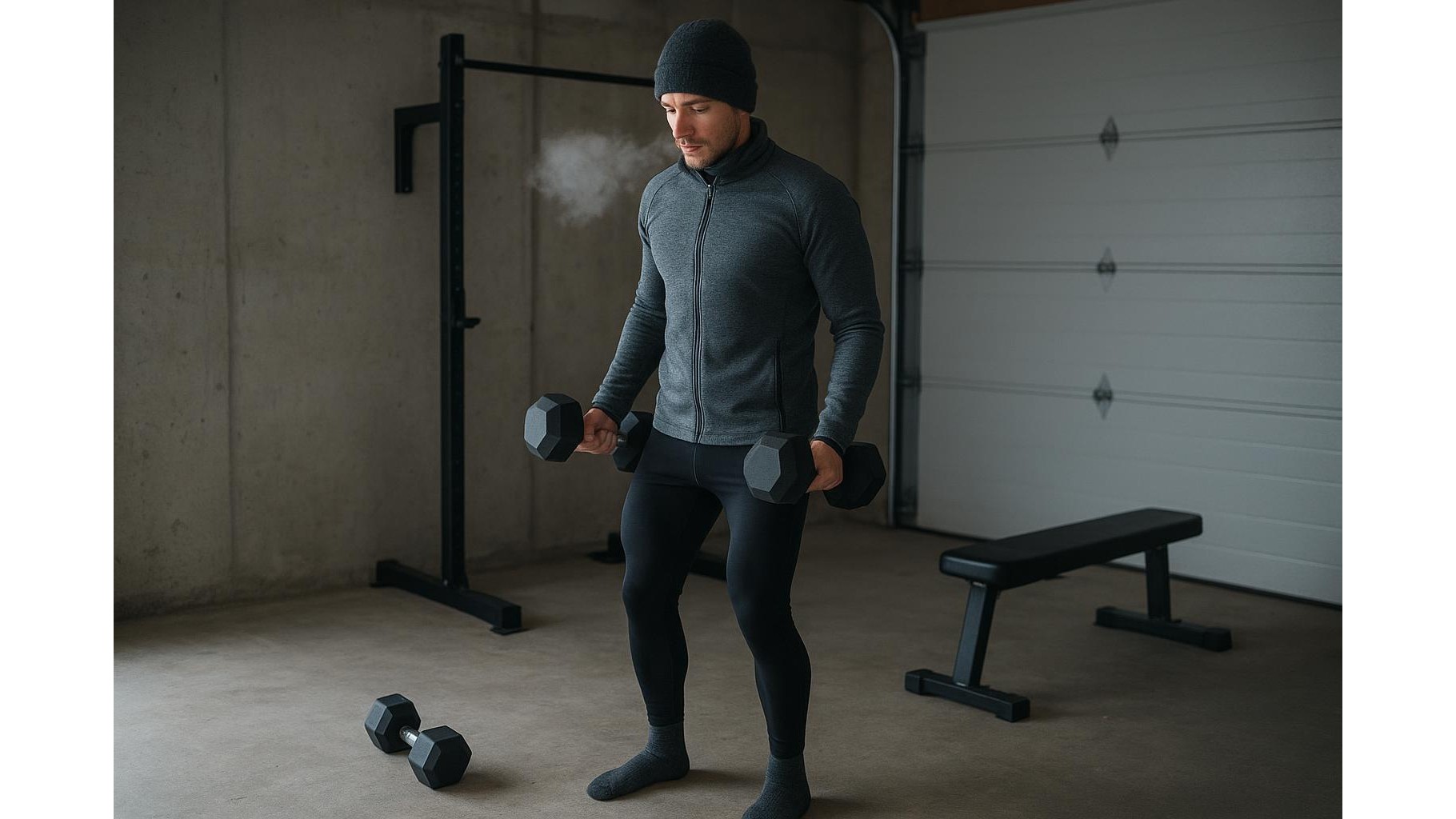
Over your base layer, add a thin insulating mid-layer such as a lightweight fleece or brushed training sweatshirt. The goal is gentle insulation, not heavy outerwear. In cold rooms, this extra layer helps you feel comfortable during mobility drills and early sets, when your core temperature is still low. Prioritise pieces with full-length zips or quarter-zips so you can quickly vent heat as your session ramps up. As you warm, open the zip or fully remove the layer and keep it close to your bench or bike so you can throw it back on during rest periods or cool-down, preventing sudden temperature drops that might leave muscles tight.
Choose fitted, flexible bottoms for joint warmth
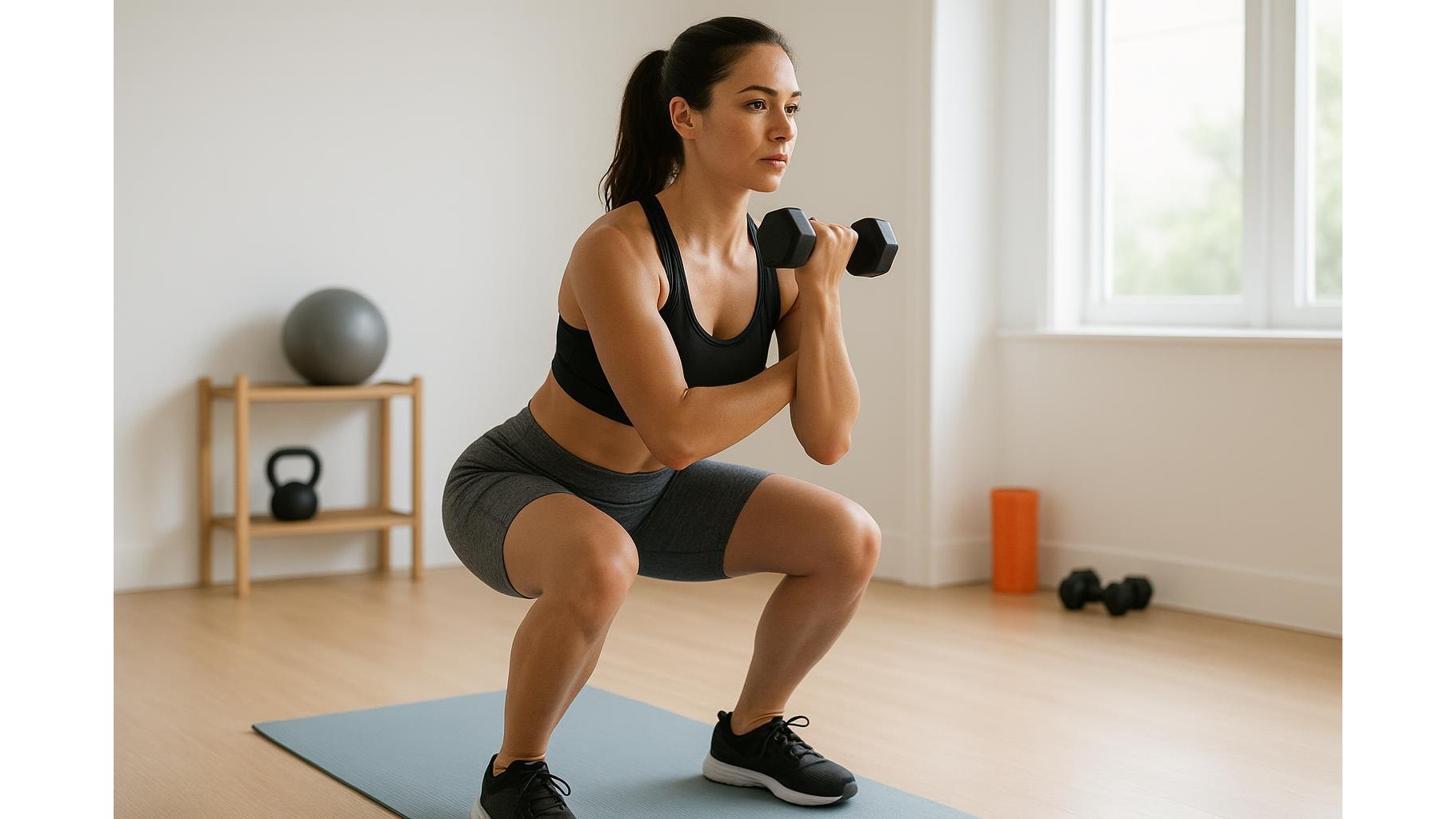
Your legs and joints also need protection in a cold home gym. Opt for fitted training leggings or joggers that sit close to the skin but still allow full range of motion for squats, lunges and hip hinges. Look for designs with a brushed or lightly insulated inner face for extra warmth without excessive thickness. If your space is particularly cold, you can layer thin base-layer tights under looser joggers for the first ten minutes of your workout, then remove the outer layer once you’re fully warm. Avoid overly wide or heavy sweatpants that can snag on equipment or cause you to overheat quickly when doing high-intensity intervals.
Manage extremities: socks, gloves and headbands
In cold rooms, your extremities often feel the chill first. A pair of cushioned, moisture-wicking training socks will keep your feet warm without making your shoes feel tight. If you work out on a concrete or tiled floor, consider slightly thicker socks for added insulation underfoot. A light, stretchy headband or beanie can make a big difference during the warm-up, keeping your ears and head comfortable; choose a thin technical fabric so you can easily remove it once you start to sweat. For those using metal dumbbells or barbells in particularly cold garages, slim training gloves can improve comfort and grip without compromising control.
Dial in fit and layering for different workout types
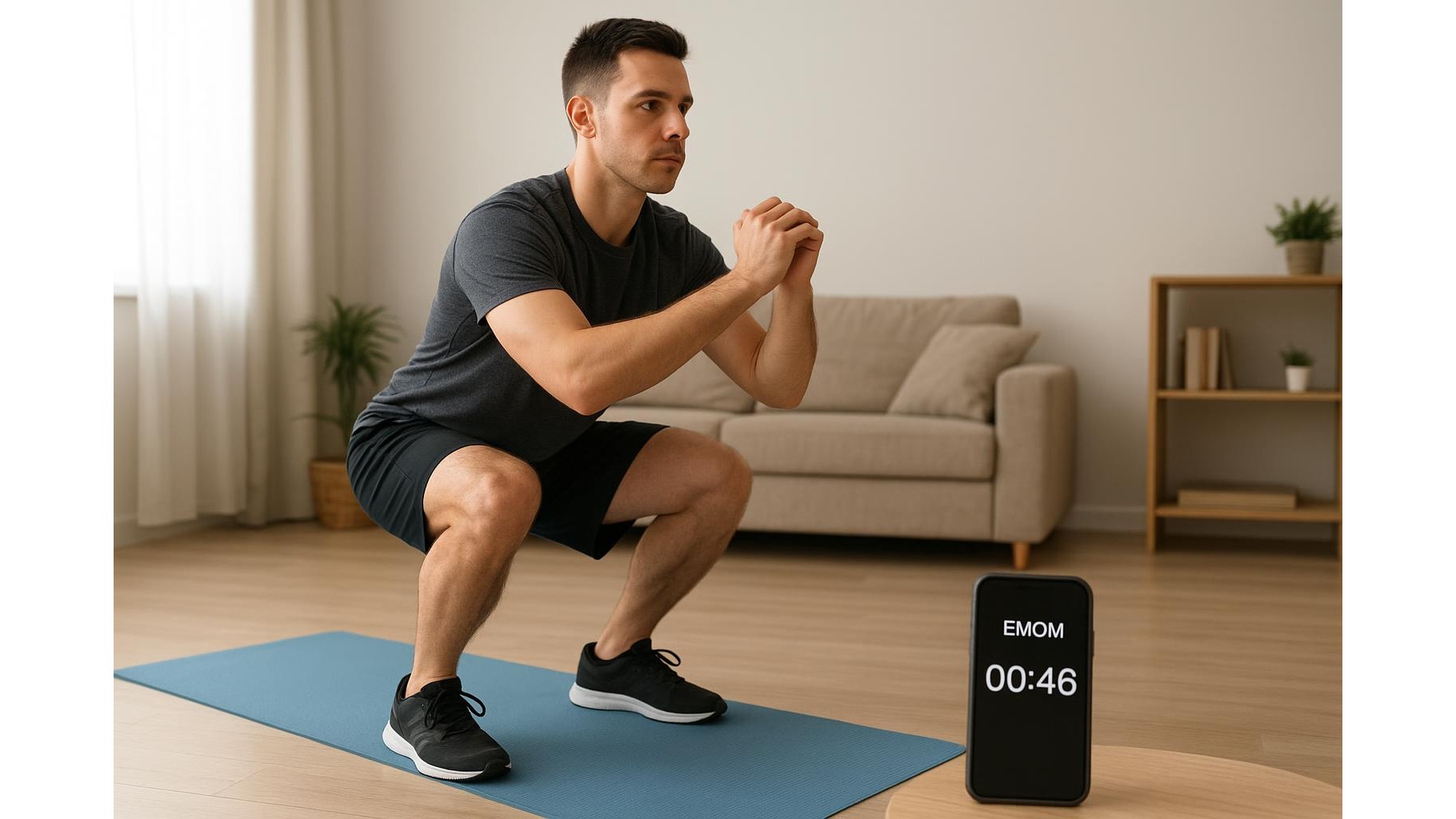
Your ideal home gym outfit will vary depending on the session. For heavy strength training with plenty of rest, you may keep your mid-layer on longer, using a snug base and moderately warm bottoms to stop muscles cooling between sets. For HIIT or indoor cycling, go lighter: a breathable base layer and fitted shorts or leggings are usually enough, with a zip-up mid-layer you remove quickly after the first few minutes. Always start slightly warmer than you expect to finish, but avoid tight, restrictive layers that limit movement or trap too much heat. Think of your outfit as adjustable equipment: you’ll put pieces on and take them off as your body temperature changes.
Building smart home gym outfits for cold rooms is less about piling on thick clothing and more about thoughtful layering, technical fabrics and the right fit. Begin with a sweat-wicking base, add a removable insulating layer, keep your legs and joints protected, and pay attention to your head, hands and feet. By adjusting layers as your intensity rises and falls, you’ll stay comfortably warm at the start of every session without overheating once your workout gets serious.