Building a reliable home gym outfit starts from the bottom: if your leggings are see-through, rolling down or trapping heat, every squat and lunge becomes a distraction. Choosing the right home gym leggings for women means looking beyond colour and pattern, and focusing on opacity, waistband grip and breathable fabrics that support you through every rep without digging in or sliding.
Table of contents
How to check squat-proof opacity at home
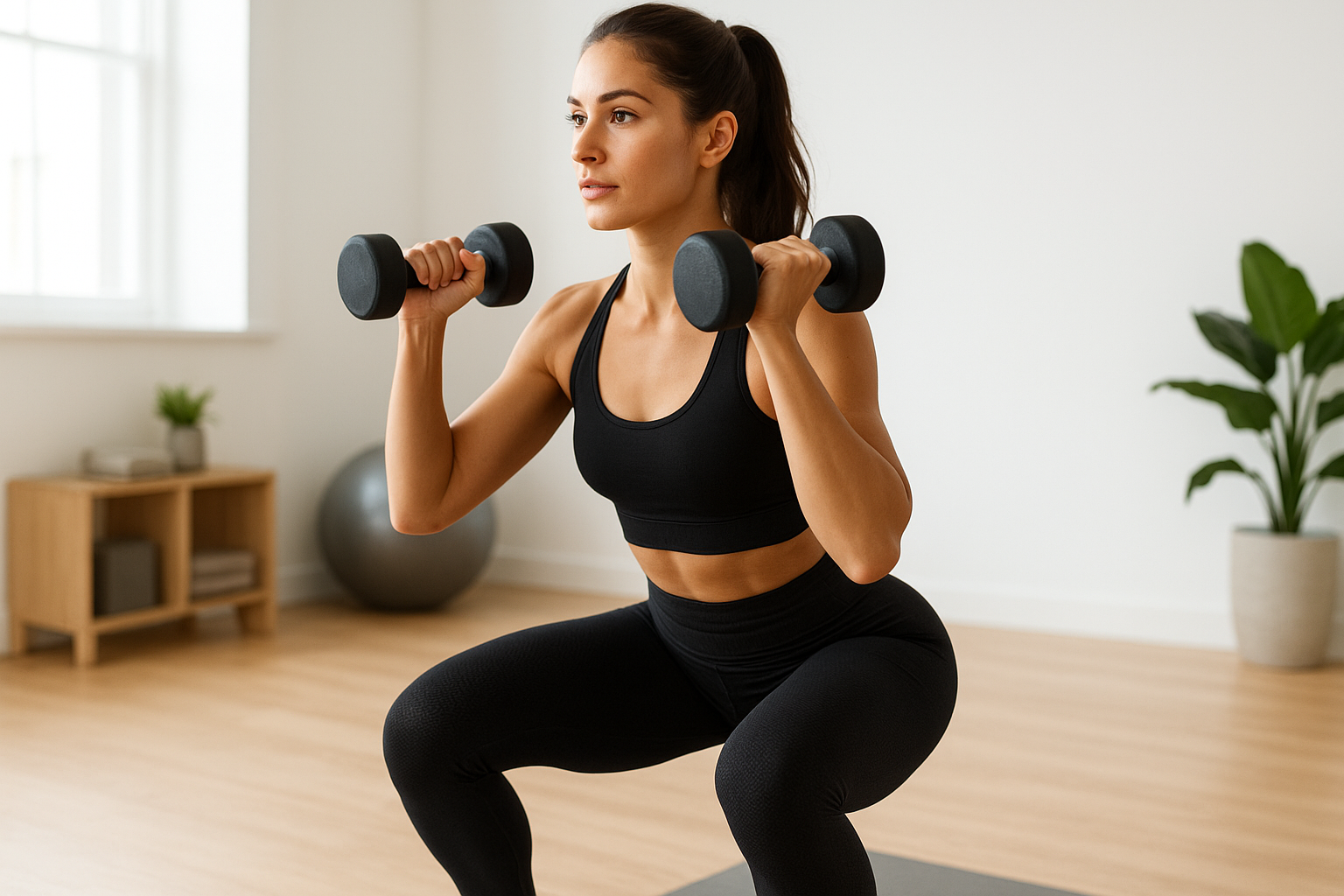
For squat-proof leggings, the fabric must stay opaque when stretched. At home, stand in front of natural light and perform a deep squat: if you can see the outline of your underwear, you need thicker or denser knit material. Look for descriptions that mention high-density knit, four-way stretch and non-transparent fabric. Darker shades tend to hide more, but good opacity should also hold in lighter colours. Avoid very shiny, ultra-thin materials for heavy leg days; these often look smooth but become transparent under tension, especially around the glutes and thighs during home workouts.
Waistband design to prevent rolling and slipping
A stable high-waisted legging keeps you covered through burpees, deadlifts and core work on the mat. Choose leggings with a wide, double-layer waistband that sits above the navel and, ideally, includes some form of internal elastic or light compression. This structure helps prevent rolling, bunching and slipping when you bend, twist or jump. If you often experience pinching, avoid very stiff waistbands with tight seams and instead opt for a soft, contoured band that tapers slightly at the top for grip. When shopping, prioritise models marketed as non-slip or stay-put waistband to minimise adjustments mid-workout in your home gym.
Breathable fabrics for intense home workouts
In a home gym, you may train in a smaller, warmer space, so breathable leggings are crucial. Fabrics that blend nylon or polyester with elastane offer a balance of stretch and moisture management. Look for terms like sweat-wicking, quick-drying and mesh panels in high-sweat zones such as behind the knees. Avoid very heavy cotton-rich leggings for HIIT or cardio sessions, as they can hold onto moisture and feel clammy. A smooth, cool-to-the-touch finish usually indicates good airflow. For women who overheat easily, lighter-weight performance fabrics with subtle perforations can keep you comfortable without sacrificing coverage.
How to avoid pinching, digging seams and discomfort
To avoid pinching and digging, focus on both fabric stretch and construction. A high percentage of elastane (around 15–25%) gives leggings enough flexibility to move with you rather than against you. Choose designs with flatlock seams or minimal inner-leg stitching to reduce friction on long sessions with cycling, rowing or running on the treadmill. If you are prone to irritation, a seamless legging can offer a second-skin feel, but make sure it still has a secure waistband to avoid sliding. When trying on, perform your typical home exercises—squats, lunges, hip thrusts—and check for any tight spots behind the knees, at the crotch or along the waistband that could become painful.
Fit, length and features for all-day wear at home
The right fit and length will depend on your training style and body type. For strength or yoga sessions, full-length leggings give full coverage and warmth, while 7/8 or capri lengths can feel cooler and avoid fabric bunching around the ankles during barefoot workouts. Make sure the leggings follow your natural shape without excessive compression that restricts breathing or movement. Features like hidden pockets in the waistband are handy to store keys or a small device while you train at home. If you mix workouts with daily wear, opt for neutral colours and a matte finish that also work with casual outfits, so you can move seamlessly from the living room gym to errands.
Choosing the best home gym leggings for women comes down to a few essentials: squat-proof opacity, a non-slip waistband, breathable, sweat-wicking fabric and a fit that avoids rolling, pinching and transparency issues. By checking these factors before you buy and testing your leggings with a few simple moves at home, you can create a training wardrobe that lets you focus fully on form and performance, not on adjusting your outfit.