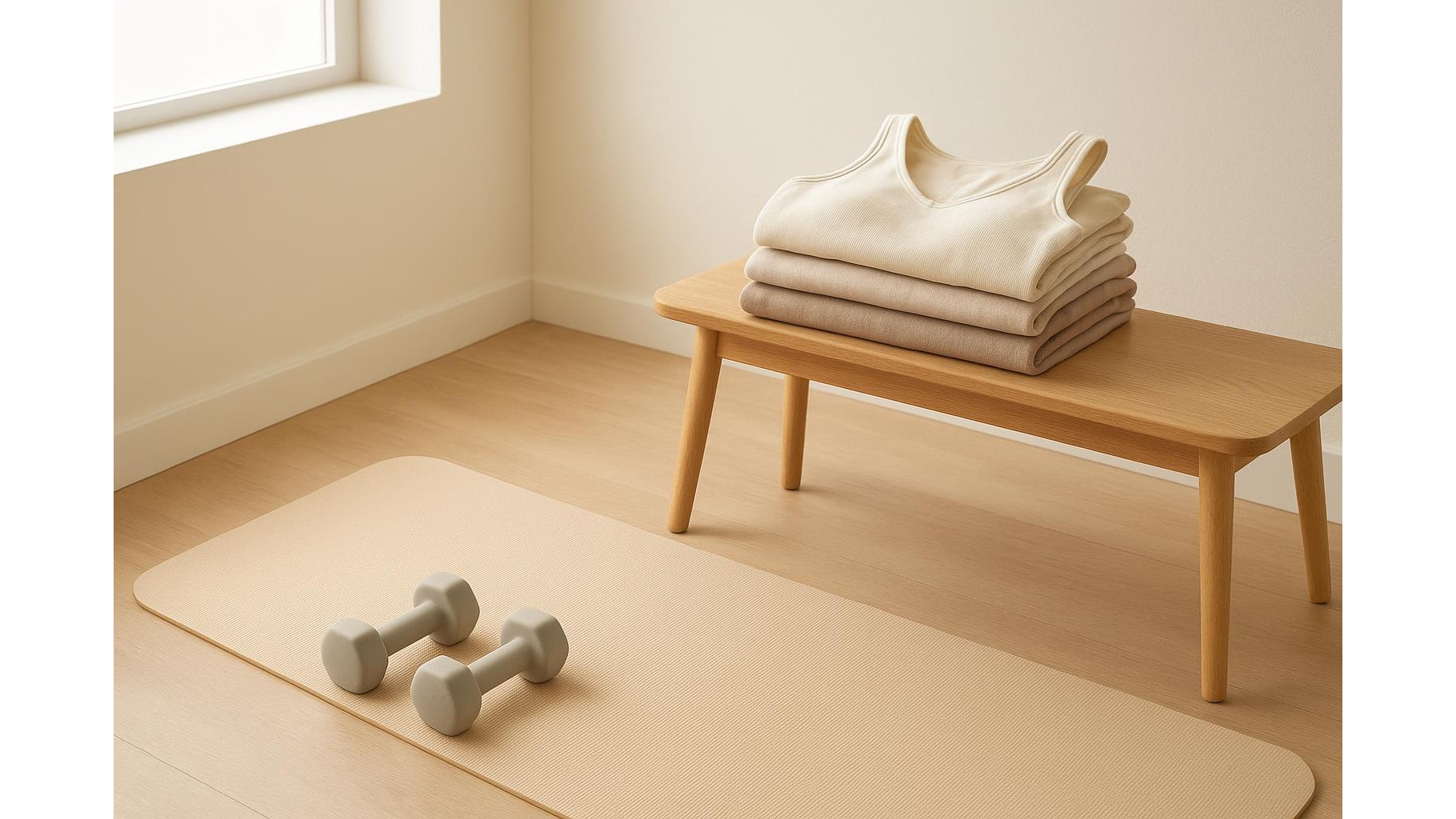
Building a comfortable home gym wardrobe is not just about style or performance. If you have allergic or sensitive skin, the fabrics you choose can make the difference between an energising workout and an itchy, red‑skin nightmare. Smart layering, breathable materials and attention to hidden irritants in labels are essential to keep your skin calm while you train indoors.
Understanding skin‑friendly fabrics for home workouts
For sensitive or allergy‑prone skin, your first goal is to minimise friction, heat and moisture against the body. Look for natural and semi‑synthetic fibres that are soft and breathable, such as cotton, bamboo viscose and fine merino wool. These materials help manage sweat without trapping heat and tend to be gentler on reactive skin than many rough synthetics. Avoid thick, scratchy fabrics and cheap polyester that can feel plasticky and promote sweating and chafing. Instead, prioritise garments labelled as seamless, tagless or designed for sensitive skin. Simple cuts with flat seams and minimal compression usually cause fewer flare‑ups during indoor training sessions.
Base layers: your first line of defence
The base layer is the piece that sits directly on your skin, so it has the biggest impact on comfort. For cool rooms, a lightweight merino long‑sleeve top works exceptionally well because merino is naturally breathable, odour‑resistant and less irritating than many synthetics. In warmer environments, choose ultra‑soft cotton or bamboo tops and leggings that wick moisture away without clinging too tightly. Aim for a close but not compressive fit, especially around waistbands and cuffs, where tight elastics can cause pressure marks and rashes. If you are very reactive, consider wearing a thin, long‑sleeve base layer even under short‑sleeve tees to create a protective barrier between your skin and any rougher outer fabrics or equipment straps.
Mid‑layers and outer layers: breathable protection
Once your base is skin‑friendly, you can use mid‑layers and outer layers to control warmth without irritating your skin. Opt for soft cotton sweatshirts or brushed fleece that feels smooth on the inside, worn over your gentle base layer so that harsher fibres never touch the skin. For high‑intensity sessions in a cool home gym, a breathable zip hoodie lets you adjust ventilation easily as your body temperature changes. Avoid heavy, plastic‑feeling shells or jackets with rough interior seams that can rub on the shoulders and neck. Look for designs with flatlock stitching and wide, soft cuffs. When you finish your workout, remove damp outer layers quickly so sweat does not sit on your skin and trigger itching.
Sports bras, leggings and high‑friction zones
Sports bras, waistbands and inner thighs are classic high‑friction zones where sensitive skin often flares. Choose seamless sports bras with wide straps and soft underbands to reduce rubbing across the chest and shoulders. For leggings or shorts, seek out fabrics described as buttery soft, brushed or second skin, and avoid rough mesh panels directly against the skin. Flat, covered waistbands are usually better tolerated than narrow elastic bands that dig into the skin. During home workouts involving cycling, rowing or floor work, a thin, smooth base layer under tighter leggings can prevent chafing. If your thighs or under‑bust area are prone to irritation, apply a fragrance‑free barrier cream before dressing to further reduce friction.
How to read labels and avoid hidden irritants
Labels can hide common triggers for skin irritation. Beyond the fibre content (such as cotton or polyester), check for mentions of elastane, latex or rubber in trims and waistbands if you are sensitive to these materials. Be cautious with garments marketed as “anti‑odour” or “antibacterial”, which may be treated with chemical finishes that bother reactive skin. Likewise, avoid strong dyes and intense colours if you know you react to certain pigments; light or undyed fabrics are often safer. Cut off scratchy neck labels and care tags, or choose tagless designs. Always wash new gym clothes before wearing them to remove finishing chemicals, using a fragrance‑free, hypoallergenic detergent and skipping fabric softeners, which can leave residue that aggravates allergies.
By focusing on low‑irritation fabrics, gentle layering strategies and attention to label details, you can build a home gym wardrobe that supports both your training goals and your skin health. Soft, breathable base layers, smooth mid‑layers and carefully chosen sports bras and leggings help prevent friction, overheating and flare‑ups. With the right fabric choices and care routine, your indoor workouts become more comfortable, so you can concentrate on performance instead of itching.